




NSTA Advocacy in Action — The Intersection of Automated Vehicles and School Transportation
NSTA's executive director says that while the unique operating environment of the school transportation industry must be considered in the development of this technology, the industry must also recognize its potential benefits.
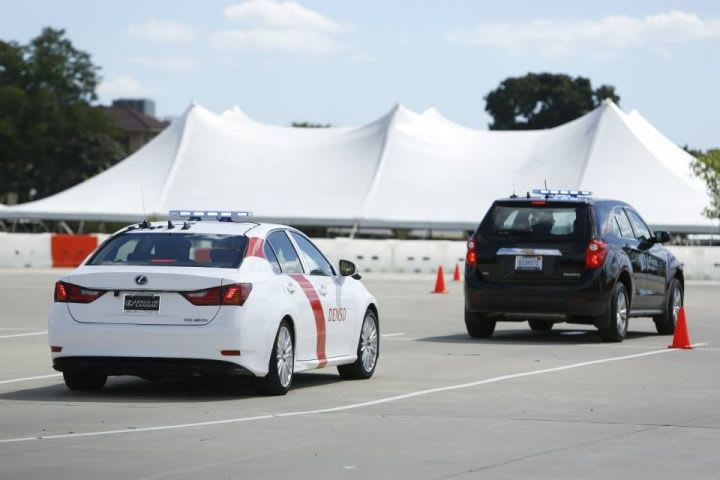
Photo courtesy Intelligent Transportation Society of America
Photo courtesy Intelligent Transportation Society of America
The issue of autonomous vehicles advanced significantly under the Obama administration through the issuance of guidance and the formation of an advisory committee. The Trump administration appears supportive of those efforts. Meanwhile, states have progressed at their own rates, approving their own laws and regulations as they see fit.
The incorporation of automated vehicles into our nation’s transportation system is of great interest and great concern to the school transportation industry. While we welcome the growth of automated technologies and all that such advancements could bring to the transportation sector, we also remain very focused on the safety of the nation’s schoolchildren. Therefore, our attention on this issue as an industry must be the point at which automated vehicles traveling on the nation’s roads interact with school buses.
Any autonomous vehicle technology must be designed with the ability to recognize all school transportation vehicles, many of which are the traditional yellow school bus, but some of which are regular vehicles serving in a school transportation capacity.
The benefits of [vehicle-to-vehicle] technology in addressing the illegal passing of stopped school buses, or vehicles running into stopped school buses, are vast and should be embraced by the industry.
Also, the dynamic operating nature of the school bus must be fully recognized. For example, lights are activated and stop arms are deployed on school buses at the time of a stop, but neither technology is activated at all times. When not activated, school buses travel with the stop sign retracted, but the sign remains visible on the side of the vehicle. Having the ability to recognize school transportation vehicles — regardless of their appearance or color — and their unique and dynamic operating environment is
critical to the safety of all children.

Ronna Weber is executive director of the National School Transportation Association.
In addition, the differences in school transportation in busy urban areas, suburban areas, and rural areas, where school transportation typically involves highway travel, must also be recognized. School buses are obviously not the only commercial vehicles traveling through areas where schoolchildren live, but they are the only vehicles generally requiring all drivers to stop when they are stopped.
While the unique operating environment of the school transportation industry must be considered in the development of this technology, we must also recognize the great benefit and opportunity this technology brings. If vehicle-to-vehicle technology, for example, is developed properly and integrated on all vehicles, passenger and commercial, it could allow school buses to signal both the infrastructure and approaching vehicles that the school bus is in the process of loading or unloading on the roadway ahead, which could then trigger a warning to the driver of the approaching vehicles to slow down and stop, or it could stop them entirely if necessary. The benefits of this technology in addressing the illegal passing of stopped school buses, or vehicles running into stopped school buses, are vast and should be embraced by the industry.
While this issue continues to develop and advance, NSTA will continue to follow along closely and engage where possible to advocate for the yellow school bus and the nation’s children who ride it every day. They deserve no less.
More Safety
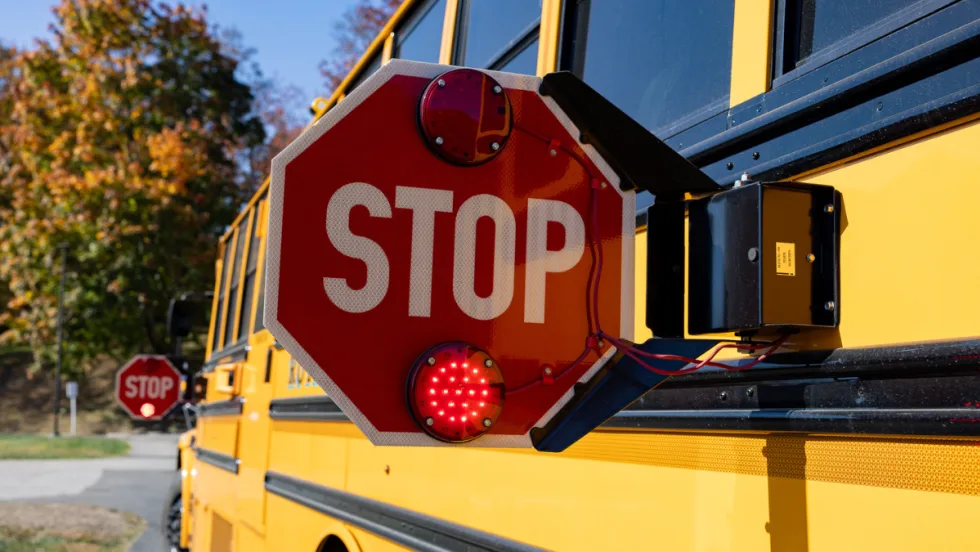
Illegal School Bus Passing Drops 24% in New York Districts
With fewer than 5% of citations involving repeat offenders, Westchester County officials said enforcement, education, and community partnerships are helping change driver behavior.
Read More →
School's Back. Here's What Happened to Traffic, Speeding & Distraction
What happens to traffic when school resumes? New data analysis examines changes in distracted driving, congestion, and speeding around schools.
Read More →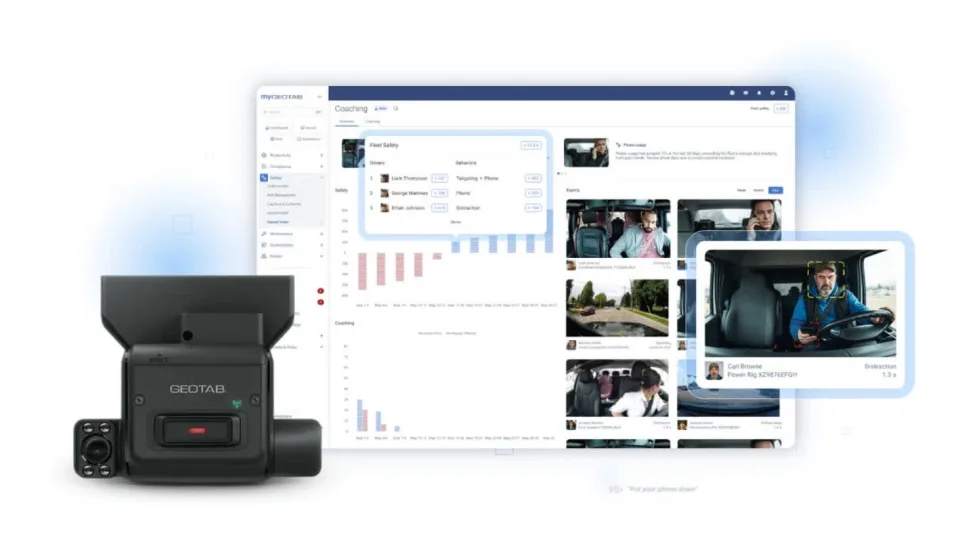
Geotab Expands Fleet Safety Tools With Video Coaching, Risk Insights
New safety and video capabilities aim to help fleet managers assess risk, support drivers, and take targeted action through video coaching, red-light violation detection, and more.
Read More →

How to Build a Better School Bus Driver Training Program
Is it time to strengthen your driver training? Here’s how to pick the right talent and improve recruitment, retention, and safety. This video is brought to you by IC Bus.
Read More →
Recent School Bus Accidents Leave 2 Dead, 2 Injured
Four school bus crashes in Florida, Illinois, and Georgia highlight risks in transportation lots, at bus stops, and during student loading and unloading.
Read More →
When Every Second Matters, Clarity Keeps Routes Moving
From routine delays to urgent incidents, strong communication practices help drivers, dispatchers, schools, and families respond with confidence.
Read More →
What Happens When a School Bus Catches Fire — and What Can Help
School bus fires are rare but can be devastating. Learn how advances in fire suppression and asset protection help fleets detect fires earlier, reduce damage, and improve safety.
Read More →
Geotab Launches Tool to Help Fleets Investigate Road Incidents
Geotab Investigations combines telematics data, video, documents, and other evidence to help fleets reconstruct incidents, resolve claims, and determine what happened.
Read More →
Texas Sixth Grader Wins 2026 National School Bus Safety Poster Contest
Sai Darshana Yekolu of Moseley Middle School in Prosper, Texas, was named the newest winner for her artwork, bringing the theme of “Safe Rides, Everyday Heroes” to life.
Read More →
Doing More With Less: How Transportation Directors Can Prioritize Safety Amid Budget Uncertainty
With diesel prices soaring and nearly one-third of transportation directors expecting budget cuts, maintaining student safety has never been more challenging. Download this guide to learn how leading districts are prioritizing risk, funding critical safety technology, and building stronger budget cases with data.
Read More →