




NSTA Advocacy in Action — The Beginnings of Real Regulatory Reform
Two initiatives that the National School Transportation Association has worked extensively to modify or defeat over the past few years have recently been withdrawn by the Federal Motor Carrier Safety Administration.
Regulatory reform is one of President Trump’s highest priorities, and several comprehensive governmentwide efforts are underway to work toward the goals of reducing regulations and creating hurdles for any new regulations to be proposed.
At the U.S. Department of Transportation, two initiatives that the National School Transportation Association (NSTA) has worked extensively to modify or defeat over the past few years have recently been withdrawn by the Federal Motor Carrier Safety Administration (FMCSA).
First, the advance notice of proposed rulemaking on financial responsibility issued by FMCSA in November 2014 was withdrawn on June 5, 2017. The proposal would have had a significant and detrimental effect on the school transportation industry. FMCSA was asking for data in an effort to consider significantly increasing the federally required insurance minimums.
Currently, passenger carriers are required to carry a minimum of $5 million per vehicle in insurance, but many carriers carry more than the minimum. Despite there being no data indicating current minimum requirements were insufficient, by all reports FMCSA was considering raising minimum limits to at least $20 million and indexing them to the medical consumer price index.
This level of increase would have put many contractors out of business. NSTA made overturning this effort a top priority, making the issue the central focus of our 2015 Capitol Hill Bus-In in Washington, D.C. During the event, our members spent a day educating their elected officials on the issue and our concerns.
We also worked with congressional leaders on legislation to stop the financial responsibility proposal. Ultimately, NSTA was successful in securing language in the FAST Act in 2015 to prevent FMCSA from raising current minimums without significant comprehensive studies of the sufficiency of current limits. NSTA included withdrawal of FMCSA’s proposal in our priorities to President Trump’s transition team.
Second, FMCSA withdrew its proposal on safety fitness determination on March 23, 2017. This proposal would have radically changed the safety determination rating system from that of “satisfactory,” “conditional,” and “unfit” to one of either “unfit” or no rating.
NSTA had great concerns with this proposal. First, as an industry, our top priority is safety. To shift from a positive focus of promoting safety to a negative focus of only recognizing those who are unsafe is counterintuitive. In addition, the rating system is extremely confusing for the traveling public, who would rely on the ratings when looking to secure transportation services.

Ronna Weber is the former executive director of the National School Transportation Association.
Perhaps most important, NSTA objected to a new safety fitness determination system being built on top of the flawed Compliance, Safety, Accountability (CSA) system that Congress had just directed the agency to significantly reform in the FAST Act. The FAST Act required a study by the National Academy of Sciences as an initial first step to CSA reform.
At this writing, that study is expected to be sent to Congress at the end of June. FMCSA will have six months to develop a plan to address the recommendations of the study.
NSTA’s highest legislative priority in 2016 was to secure legislative language to prevent the safety fitness proposal from being finalized until all CSA reforms mandated by the FAST Act are completed, and this language was included in the fiscal year 2017 House transportation appropriations bill.
NSTA and a coalition of truck and passenger industry groups wrote to Secretary of Transportation Elaine Chao in February asking for the safety fitness proposal to be withdrawn, which was cited as a determinative issue in her statement on the withdrawal.
NSTA is very appreciative of the Trump administration’s action on both of these troubling rulemaking proposals. NSTA supports reasonable regulation when it is based on data and science, when there is evidence of a significant safety problem, and when the new regulation actually addresses the issue and improves safety.
NSTA hopes other pending rulemakings will also be withdrawn in coming months, and we support the administration’s efforts to pursue comprehensive regulatory reform across all agencies.
More Management
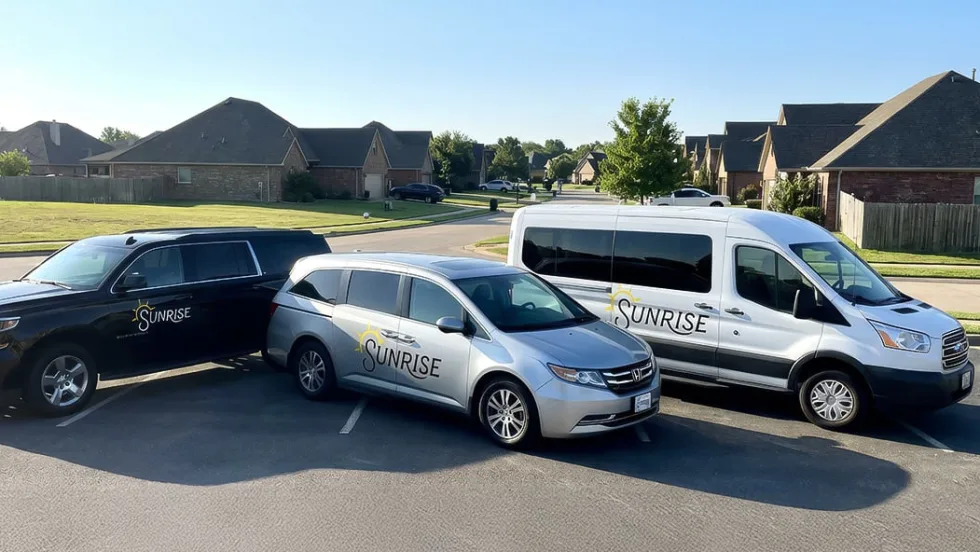
STA Acquires Sunrise Transportation
Student Transportation of America expands in Illinois and Connecticut through Sunrise's fleet of nearly 1,000 vehicles.
Read More →
EPA Opens $180M DERA Funding Round for Diesel Upgrades
The 2026 Diesel Emissions Reduction Act program seeks applications from eligible organizations to accelerate the retirement of legacy diesel vehicles.
Read More →
HopSkipDrive’s CareEngine Targets the ‘Exceptions’ in Student Transportation
The new platform works alongside districts’ existing transportation management systems to coordinate specialized rides, automate last-minute changes, and turn ride data into operational improvements.
Read More →


The Right Ride for Every Student: Navigating the New Student Transportation Ecosystem
How should districts blend school buses with small-vehicle transportation and other options? EverDriven CEO Mitch Bowling discusses safety, costs, partnerships, and strategy.
Read More →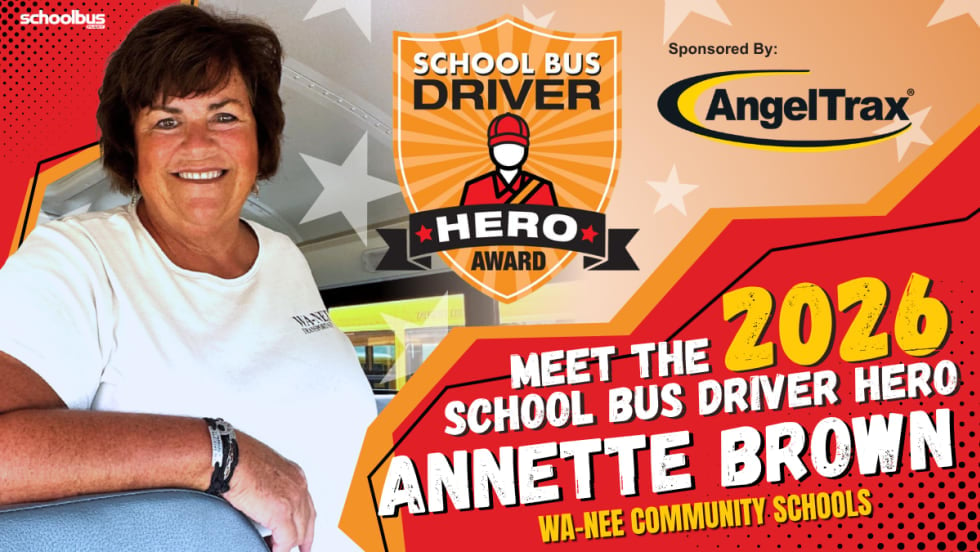
Annette Brown Always Takes the Extra Time: Meet Our 2026 School Bus Driver Hero
For more than 30 years, the Wa-Nee Community Schools driver has treated students like family, combining safety, compassion, and servant leadership to make a lasting difference on and beyond the school bus.
Read More →
How to Build a Better Driver Training Program
Ready to boost up your school bus instructor training? Here’s how to pick the right talent and improve recruitment, retention, and safety.
Read More →
CALSTART and Forth Combine to Form Catalyst Mobility
The new name represents a renewed vision for the nonprofit focused on advancing clean, equitable, and affordable transportation solutions that move people and goods.
Read More →
What Makes a Great School Bus Driver Trainer?
Choosing the right school bus driver trainer takes more than experience. Learn six keys to selecting and developing trainers and evaluating program effectiveness.
Read More →
School Bus Contractors Expand Through New Deals, Acquisitions & Partnerships
STA's Canadian division acquires Ontario-based G&L Stevenson Transport; Durham School Services adds a new district in California; First Student expands in New Jersey; and Minnesota Coaches rebrands and acquires Halo Transportation.
Read More →
Logan Bus Company Rolls Out AI Phone System for NYC School Bus Families
A summer pilot found that AI agents could handle most routine calls, freeing up time for customer service staff to focus on emergencies and complex family concerns.
Read More →