




NAPT News & Views — Thinking Big? Think About This
The IC Bus event was about embracing change and thinking big. Thinking big is hard sometimes, and change of any kind is stressful.
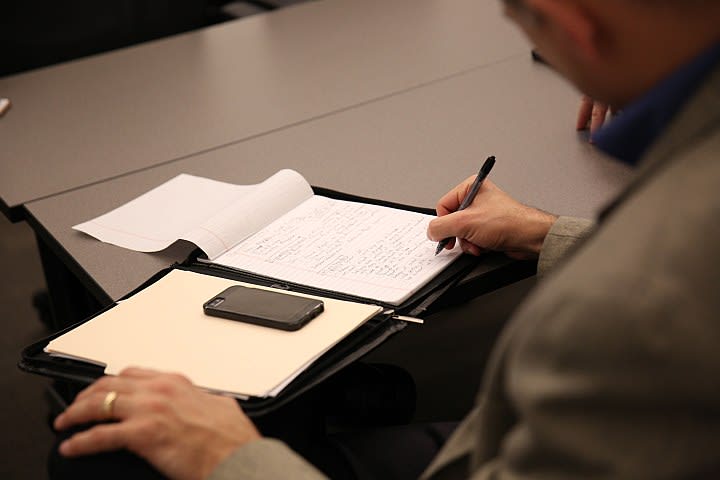
Photo courtesy Navistar

Photo courtesy Navistar
IC Bus hosted an event recently that brought together representatives from all corners of our industry for a day of big thinking.
As IC Bus Vice President and General Manager Trish Reed put it, the premise was, “We have to control our own destiny, open our minds, and think of the future without the constraints of today.”
I once heard Steve Jobs say something similar. I went to an event back in the mid-1980s where he basically explained how he went from being an unemployed college dropout to becoming one of the most successful entrepreneurs of the day.
I remember sitting there watching and listening to Jobs, spellbound, thinking, “Should I be taking notes? I guess I could write on my hand.” But I didn’t even bring a pen. It was a performance, more like a play or a show than a speech.
The take-aways were abundant. Jobs emphasized that he continually looked for new ways to be different, most often by thinking differently. He didn’t worry about too many things at once; he focused on whatever he was doing and worked on doing it better than anyone else. He hired smart people with a passion for excellence.
Jobs said that we should all use new technology, regardless of whether anyone else was using it; he wanted to be the first to use every new technology, and whatever he liked he wanted to make an industry standard. He wanted to shape the future, not just dream about it.
These days, because of people like Steve Jobs and the technology he embraced, changes occur at a lightning pace. The IC Bus event was about embracing change and thinking big. The nautical metaphor is an ocean-going boat captain who relies on long-distance radar and satellite technology to see what’s beyond the horizon to anticipate problems and take action.
Thinking big brings another issue immediately to mind: attracting and retaining drivers. The challenge is a devilish beast that has far too many horns. But one thing we know for sure: benefits, especially health and retirement benefits, help us recruit and retain good people.
In fact, in a Feb. 23 story in Lahontan Valley News (“A day in the life of a school bus driver”) that tracks the workdays of several drivers in the Churchill County (Nev.) School District, one driver explains that she picked driving a school bus over other occupations because of the state’s public employee retirement system.
Two other news reports shed light on why this topic should be blinking rapidly on our radar screen.
The first is a national column by George Will that ran the same day. According to Will (backed by many experts), we face a “tsunami of pension problems that will wash over many cities and states.”

Mike Martin is executive director of the National Association for Pupil Transportation.
The mayor of Dallas, Texas, the fastest growing economy of America’s 13 largest cities, says the city is “walking into the fan blades” of pension promises. The fund for retired police and firefighters is $5 billion underfunded, and last year paid out $283 million while the city put in just $115 million.
Will writes, “Nowadays, America’s most persistent public dishonesties are the wildly optimistic, but politically convenient, expectations for returns on pension fund investments.”
The column references Josh B. McGee of the Manhattan Institute, who says that teacher pension plans, which cover more people than all other state and local plans combined, have at least a $500 billion gap between promised benefits and money set aside to fund them.
A couple days later, the New York Daily News reported that “roughly 4,000 retired Teamsters across New York State [are] suffering a fate that could soon hit millions of working-class Americans — the loss of their union pensions.”
According to that story, “Bigger than all of New York’s Teamster locals combined is the Central States Pension Fund — another looming financial disaster that could leave 407,000 retirees without pensions across the Midwest and South. And there’s still more beyond that, in various industries, officials say.”
I know that’s a lot to digest, and it’s scary to boot. There are a lot of school bus drivers and other personnel invested in state/local retirement programs. These are real people — not numbers.
While there may be little we can do to affect these gargantuan financial problems, the radar screen is signaling us. Uncomfortable as truth can be, it’s even worse to ignore it.
Thinking big is hard sometimes, and change of any kind is stressful. Some potential changes are so unpleasant that it’s easier to kick the can down the road and hope they go away. Politicians are expert at this, but we’re not politicians.
So let’s start talking.
More Management
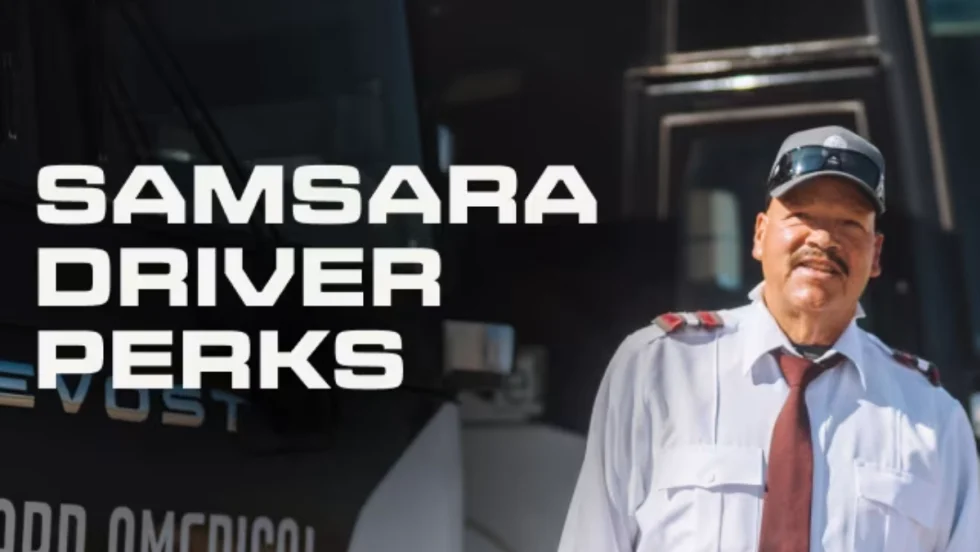
Samsara Launches Free Driver Rewards Program
The new Driver Perks program gives eligible professional drivers access to discounts and offers without adding a cost for participating fleets.
Read More →
How Tax-Exempt Municipal Leases Can Help Finance School Buses
Let’s explore school bus financing options, including municipal leases, vendor payable accounts, and balloon payments, and how they can help stretch fleet budgets.
Read More →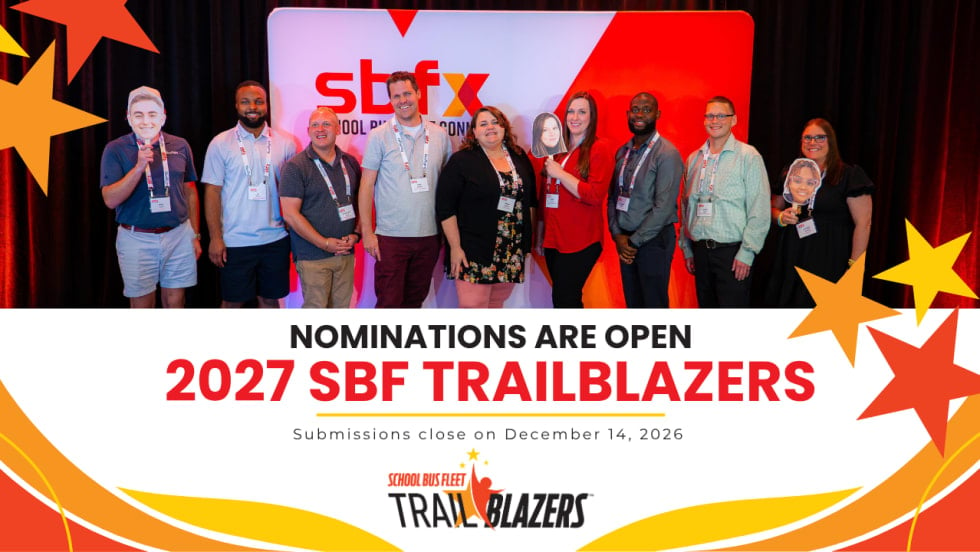
Nominate Rising School Transportation Pros Under 40!
We’re searching for the next generation of leaders making an impact across the K-12 student transportation industry to recognize as SBF’s 2027 Trailblazers. Nominations are open now!
Read More →

Changing Lanes: BusWhere, EverDriven, InterMotive, Summit School Services, Switzer-Carty & Thomas Built Buses
Check out who's been hired, promoted, and appointed to leadership positions at various school transportation suppliers, contractors, and manufacturers.
Read More →
The Most Expensive Thing You Do Before Selling a School Bus: Wait
When should you sell an aging school bus? Learn how maintenance, mileage, corrosion, specifications, and timing can affect resale value long before the auction.
Read More →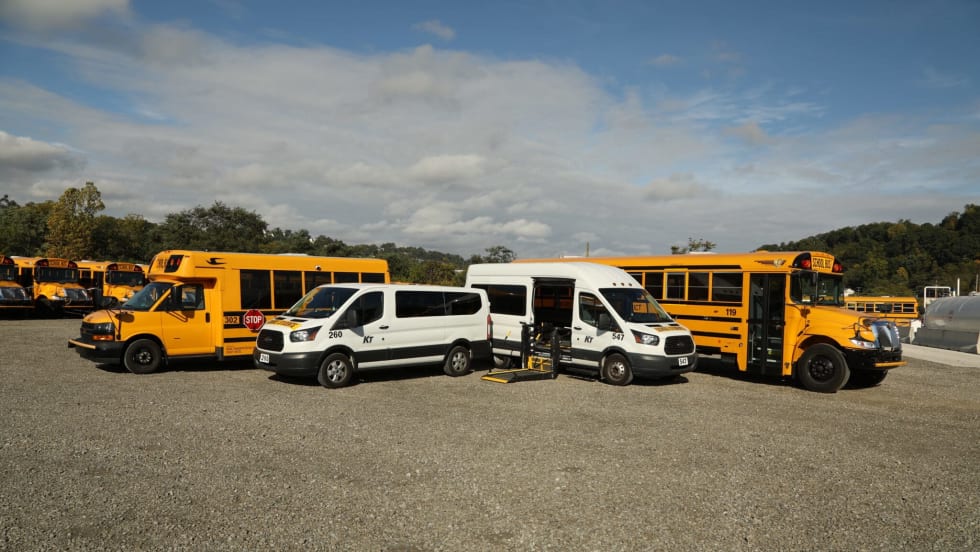
American Student Transportation Partners Acquires AJ Myers and Sons
A new deal brings a 75-year Pennsylvania student transportation provider into one of the nation’s largest private school bus contracting groups.
Read More →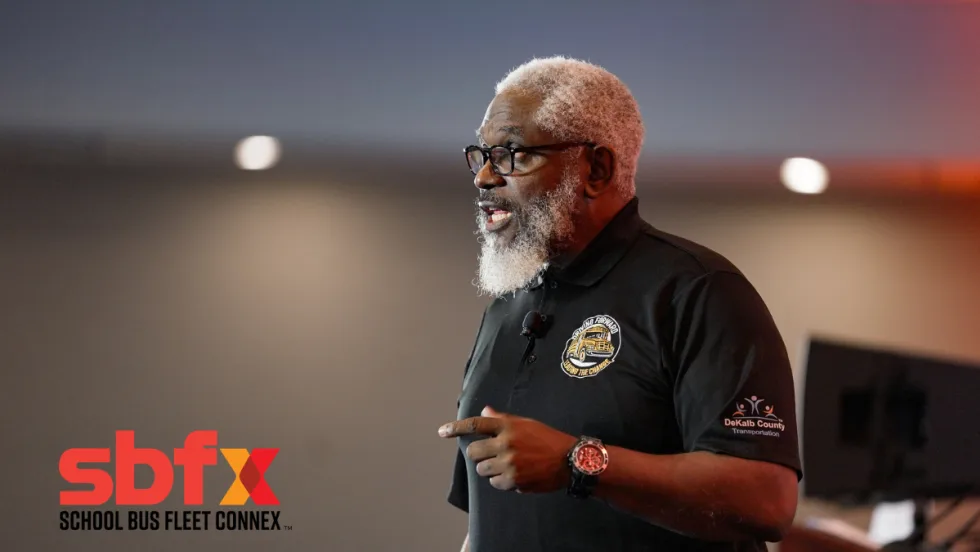
What I Brought Home From SBFX: Relationships, Leadership, and Preparing What's Next
Who could lead your transportation operation tomorrow if you couldn't? Bernando Brown explores succession planning, mentorship, and preparing emerging leaders to step up.
Read More →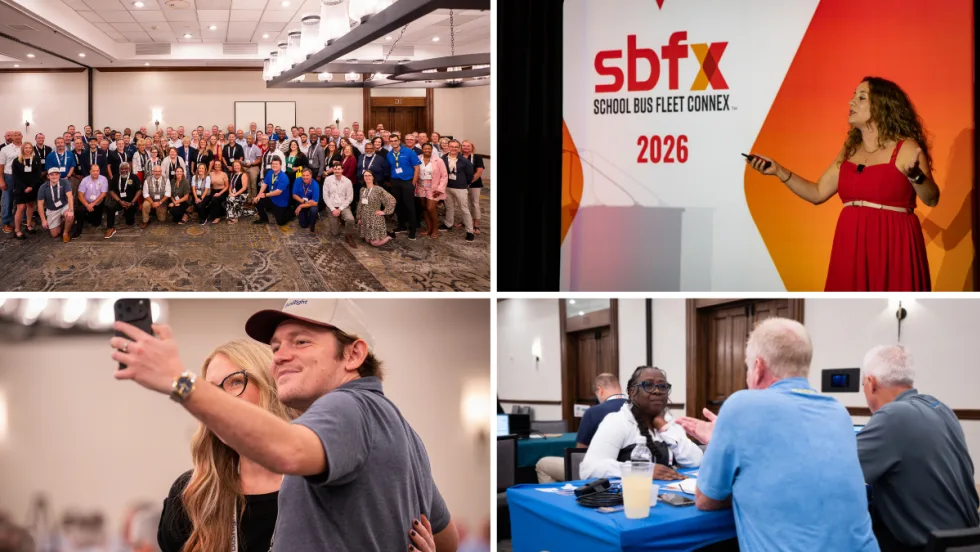
Inside School Bus Fleet ConneX 2026: Industry Leaders Connect in Scottsdale [Photos]
See highlights from SBFX 2026 in Arizona, where school bus operators and suppliers gathered for meetings, education, networking, awards, and more.
Read More →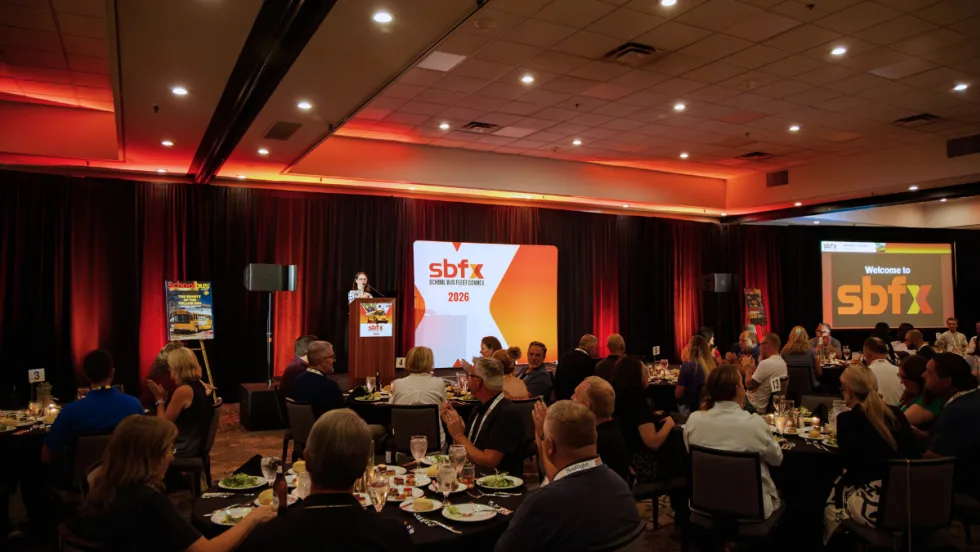
School Transportation’s Biggest Pressures and Opportunities: SBFX Attendees Weigh In
School bus operators point to rising costs, staffing, and vehicle prices as immediate pressures while identifying technology, training, and routing as opportunities for growth.
Read More →
STA Acquires Sunrise Transportation
Student Transportation of America expands in Illinois and Connecticut through Sunrise's fleet of nearly 1,000 vehicles.
Read More →