




NAPT News & Views — Safety and security: why vigilance must remain high
Our emphasis on training, awareness and commitment to safety/security must remain a priority for our industry, not for fear of being caught with our guard down, but because our guard should never be down.
Our sense of safety and security can be very fleeting.
Item 1. A Malaysian Airlines Boeing 777 vanishes on March 8, and there’s still no explanation. Terrorism? Sabotage? Nobody knows, but events like this shatter our sense of security.
Item 2. Awareity’s 2013 Student Safety Report provides “the shocking truth about student safety … why so many incidents and tragedies in schools are not prevented.”
Item 3. Reporters walk into schools with hidden cameras to test security, and the New York Times describes the results as showing “unsettling lapses in security.” Wait a minute — didn’t security change dramatically after the tragedy in Newtown, Conn.?
Improving security and safety is an ongoing process that typically begins with a crisis that captivates public attention, followed by demands that politicians “do something.”
Because perfect safety/security is impossible in an open society, and seeking perfection can be the enemy of the good, the “something” typically amounts to steps that serve to reassure the public. Confident that we “did something,” we are encouraged to “move on” in hopes that the fix works. Normalcy resumes eventually until the next crisis forces still more action.
But in the school bus industry, there’s no complacency on the safety/security front. Hardly a day passes without a reminder of why we must maintain constant vigilance. The work of Awareity and the investigative reporters who went into schools are reminders of why there can be no less interest — ever — within our operations.
The Awareity report found that students are talking among themselves about troubling behaviors they encounter: hurting others, self-harming, suicide ideas, weapons in school, drugs, alcohol and other risks. But “unfortunately this information is not being shared with the right people.”
According to Awareity CEO Rick Shaw, “Students want help, and students want to help other students, but too many gaps and silos exist.”
Shaw said the survey gives school officials “the validations they need to take immediate action and equip students with better ways to share what they know and equip all school personnel with the right tools to ensure incidents do not escalate into tragedies.”
This report contains valuable insights that will help us do our jobs better. NAPT urges all school bus professionals to download the report at www.awareity.com, read it and share it.
The New York Times story, “Undercover TV Reports on School Security Raise Ethical Questions,” by John Eligon (March 16, 2014) is also a worthy read for all in our business.
In covering the story that documents lapses in school security, “Today” show host Matt Lauer described it as “one of the more depressing reports I’ve seen in a long time.” An anchor with the NBC affiliate in St. Louis prefaced the station’s coverage of the story by warning viewers, “Some of it will disturb you.”
But as the Times article points out, there are two takes to this kind of investigative journalism: 1) legitimately assessing the effectiveness of security approaches, and 2) ethical and practical implications when reporters enter school buildings, cameras rolling.
In one instance, the presence of a news channel employee drew staff’s attention, the school went into lockdown and police were called. Some say the intrusion “crossed the line.”
According to the Times story, “Critics say these kinds of undercover efforts do not provide an accurate portrait of school safety.” Also, “Some journalists question … whether it is dangerous for reporters to wander into schools now that students and staff are often on heightened alert.”
But some journalists say the value of this kind of reporting outweighs the negatives. In defending its news package of reporter visits to five New York area schools, an NBC executive noted that security guards or school staff prevented the reporter from getting into the school in all but one instance.
“I don’t know how you see what the truth is if you don’t go in that way,” she told the Times, explaining the use of hidden cameras.
The Times also quoted Kirkwood (Mo.) School District Superintendent Thomas Williams, who put a finer point on the matter: “Is it OK for them [the media] to set a fire and see how fast the fire department responds? It’s a safety issue. It’s not responsible. It’s the wrong way to do it.”
Regardless of what side of this debate you may be on, we should all understand that because public safety/security expectations for schools (and school buses) are so high, it remains a news interest. We, too, may be tested not just by reporters, but also by actual perpetrators.
Our emphasis on training, awareness and commitment to safety/security must remain a priority for our industry, not for fear of being caught with our guard down, but because our guard should never be down.
Michael Martin is executive director of NAPT. Barry McCahill is president of McCahill Communications Inc. and NAPT public affairs consultant.
More Safety
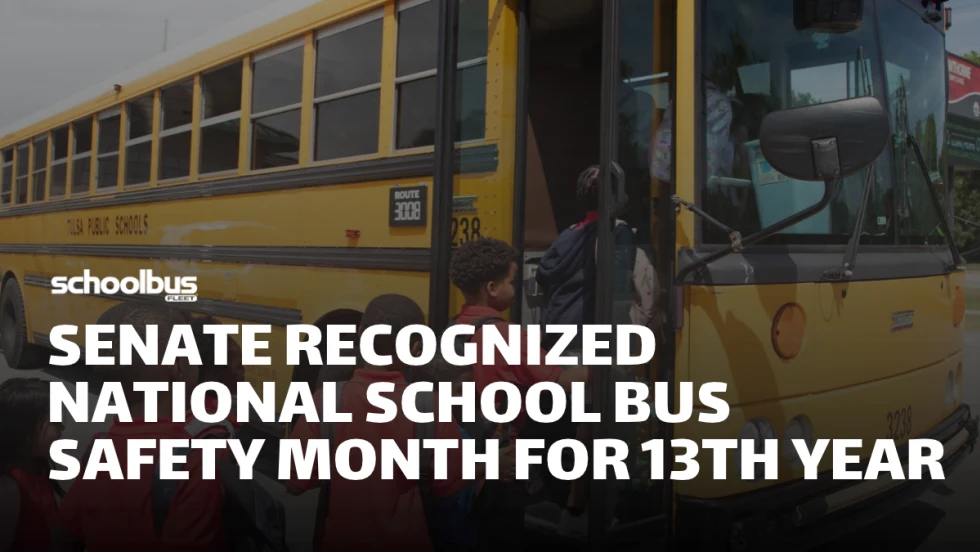
What the 2026 National School Bus Safety Month Resolution Means for Student Transportation
The bipartisan resolution highlights illegal school bus passing, student safety during loading and unloading, and the need for driver training and public education.
Read More →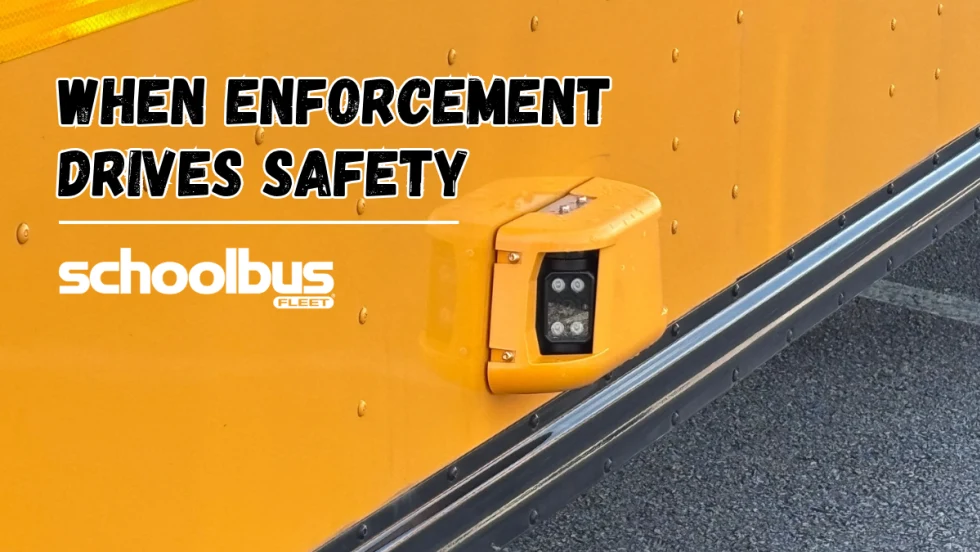
School Bus Stop-Arm Violations Decline 53% Across Verra Mobility Programs
Verra Mobility shares how school bus stop-arm cameras and school zone safety programs are changing driver behavior, reducing violations, and protecting students.
Read More →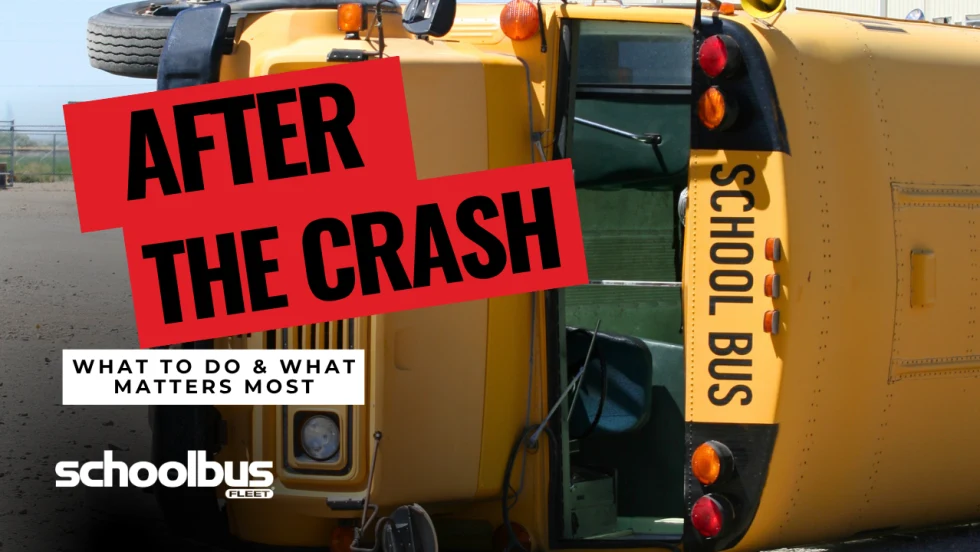
Most Bus Crashes Aren’t Your Fault. Here’s How to Prove It.
A guide for what to do in between a school bus crash and a claim: what to preserve, who to notify, and how to keep the facts available when they matter.
Read More →
National School Bus Safety Week 2026: Tips, Toolkits & Resources to Keep Students Safe
School bus safety takes more than awareness. Explore expert tips, enforcement strategies, and free resources to help protect students on every ride.
Read More →
2 Killed, Dozens Injured in Florida School Bus Crash
A multi-vehicle collision caused a Polk County school bus carrying 37 students to overturn on its way to Winter Haven High School.
Read More →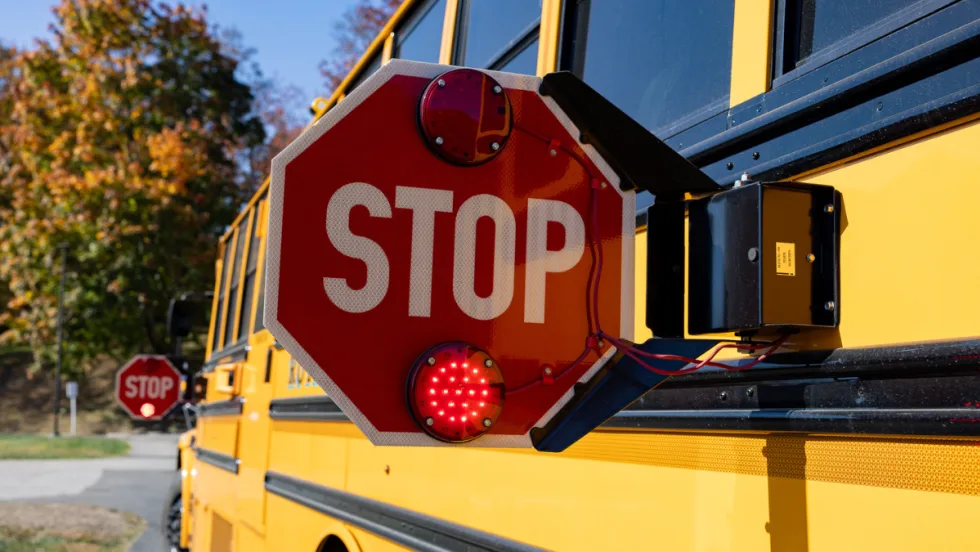
Illegal School Bus Passing Drops 24% in New York Districts
With fewer than 5% of citations involving repeat offenders, Westchester County officials said enforcement, education, and community partnerships are helping change driver behavior.
Read More →
School's Back. Here's What Happened to Traffic, Speeding & Distraction
What happens to traffic when school resumes? New data analysis examines changes in distracted driving, congestion, and speeding around schools.
Read More →
Geotab Expands Fleet Safety Tools With Video Coaching, Risk Insights
New safety and video capabilities aim to help fleet managers assess risk, support drivers, and take targeted action through video coaching, red-light violation detection, and more.
Read More →
How to Build a Better School Bus Driver Training Program
Is it time to strengthen your driver training? Here’s how to pick the right talent and improve recruitment, retention, and safety. This video is brought to you by IC Bus.
Read More →
Recent School Bus Accidents Leave 2 Dead, 2 Injured
Four school bus crashes in Florida, Illinois, and Georgia highlight risks in transportation lots, at bus stops, and during student loading and unloading.
Read More →