




NAPT News & Views
The association discusses the impact of a terrorism hoax on April 1 in New York State that involved school buses and also its efforts to curb school bus bullying.
Focus on terrorism, bullying
If news reports on a “Terror Threat Made Against School Buses” don’t get attention, I’m not sure what would.
This news definitely got attention when New Yorkers woke up to it on Friday, April 1. The threat from an anonymous e-mailer also warned of violence against state buildings and the Legislature. It appropriately triggered an aggressive state and federal response.
New York and federal law enforcement contingencies were set in motion. Parents were terrified, and they demanded information about whether it was safe for their children to ride on buses and what schools were doing about the threat. And school districts put emergency plans in motion.
Untold resources were expended reacting and trying to find a lethal needle somewhere in the big haystack that is New York state.
As always with these tense situations, the news media provided updates and analysis. Blogs buzzed with comments speculating on what was happening, and parents responded predictably. Here are two examples: “Very disturbing … think I will reconsider busing, want to carpool?”
“Yet another reason I opt to drive my children to/from school … all non-mandated busing should be eliminated … save $$ and now, possibly save lives.”
Terrorism is a tactic, and a highly effective one from the standpoint of those bent on terrorizing. This time, it turned out to be a cruel April Fools’ Day hoax. But not before causing widespread alarm and wasted public resources.
There was no physical harm, but everyone was, in fact, threatened. That results in less confidence in the safety of our communities, including how our children get to and from school. We hope the perpetrator is caught and prosecuted to the full extent of the law.
After the 9/11 attacks, the school bus industry committed to training and preparedness against terrorism. All threats are considered real, and steps are taken immediately to help ensure that the children entrusted to us are as safe as humanly possible.
The hoax in New York State was still another wake-up call that vigilance must remain with us all of our days, as terrorism has many facets.
Let’s now switch gears to another school bus-related story, but this one has a much more encouraging ending.
As with the potential for terrorism, our industry is concerned with another relatively new phenomenon: serious incidents of bullying in school environments, including school buses.
We all know that bullying has been around as long as children. But just as society has changed, so has the nature of bullying. Some forms of it today are particularly troubling because they involve serious physical and emotional violence. Enforcement and resolution
often are significant challenges for school professionals because such matters involve an overlay of additional legal rights and protections.
NAPT continues to lead on the issue with ongoing training. At our conference last year, we held an industry first: a town hall meeting of experts and student victims. It was an emotion-packed session, and one that needed to happen.
We are proud of our latest anti-bullying initiative: “Creating a Safe and Respectful Environment on Our Nation’s School Buses,” a June 8 convocation that will be held in Washington, D.C., involving national and state leaders. NAPT, in partnership with the National Association of State Directors of Pupil Transportation Services and the U.S. Department of Education’s Office of Safe and Drug-Free Schools (OSDFS), will sponsor it. Also participating is the Supportive Schools Technical Assistance Center, a research and curriculum development organization.
The goals are straightforward: bring together experts who want to improve the working conditions for school bus drivers; create a safe and respectful school bus environment for children; and encourage confidence and partnerships in the school community (administrators, teachers, students, parents and community members).
Kevin Jennings, assistant deputy secretary of OSDFS, will discuss national priorities related to safe and supportive school environments, bullying prevention and support for school staff, including school bus drivers. Jennings also was a panelist at NAPT’s town hall meeting on bullying.
NAPT Executive Director Mike Martin credits Jennings with helping the industry to better understand the causes of and solutions to bullying. “He flew across the country on a red eye flight to attend our national conference in Portland, Ore., because he viewed our efforts as important and wanted to be a part of it,” Martin said.
The June 8 meeting will be a follow up. “This will be a sleeves-rolled-up session to set in motion actions that will make a difference,” Martin explained.
“NAPT is beyond talking about bullying — together with our partners, we intend to take affirmative steps to reduce its incidence.”
NAPT will present findings from a recent national survey of school bus drivers and discuss policy implications and recommendations.
The Safe and Supportive Schools Technical Assistance Center will describe its new school bus driver training modules, which include research-based strategies for violence and bullying prevention and encouraging more positive relationships among students.
An action-planning session will be facilitated so all participants leave with a plan for integrating this training into existing training activities.
For more information, go to www.naptonline.org or call (800) 989-NAPT.
Barry McCahill is communications consultant for NAPT.
More Safety
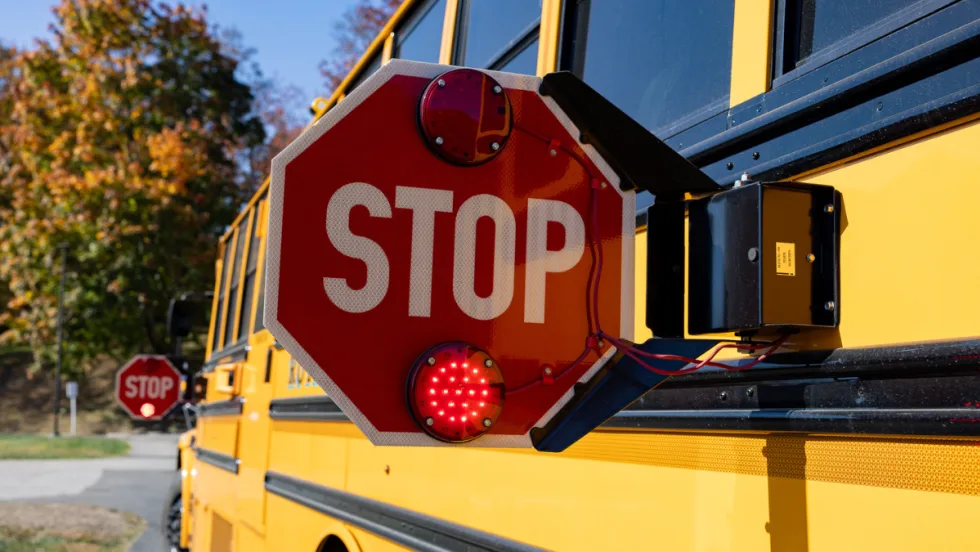
Illegal School Bus Passing Drops 24% in New York Districts
With fewer than 5% of citations involving repeat offenders, Westchester County officials said enforcement, education, and community partnerships are helping change driver behavior.
Read More →
School's Back. Here's What Happened to Traffic, Speeding & Distraction
What happens to traffic when school resumes? New data analysis examines changes in distracted driving, congestion, and speeding around schools.
Read More →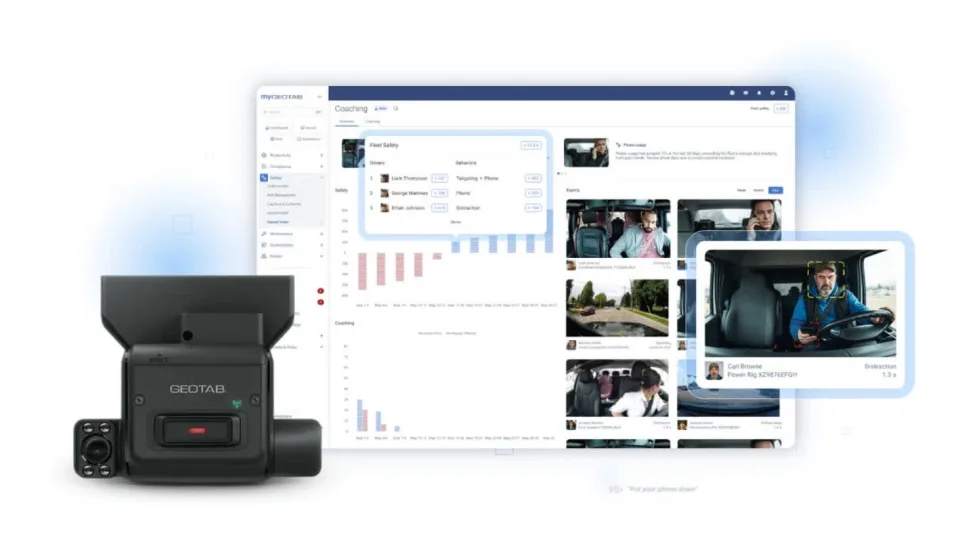
Geotab Expands Fleet Safety Tools With Video Coaching, Risk Insights
New safety and video capabilities aim to help fleet managers assess risk, support drivers, and take targeted action through video coaching, red-light violation detection, and more.
Read More →

How to Build a Better School Bus Driver Training Program
Is it time to strengthen your driver training? Here’s how to pick the right talent and improve recruitment, retention, and safety. This video is brought to you by IC Bus.
Read More →
Recent School Bus Accidents Leave 2 Dead, 2 Injured
Four school bus crashes in Florida, Illinois, and Georgia highlight risks in transportation lots, at bus stops, and during student loading and unloading.
Read More →
When Every Second Matters, Clarity Keeps Routes Moving
From routine delays to urgent incidents, strong communication practices help drivers, dispatchers, schools, and families respond with confidence.
Read More →
What Happens When a School Bus Catches Fire — and What Can Help
School bus fires are rare but can be devastating. Learn how advances in fire suppression and asset protection help fleets detect fires earlier, reduce damage, and improve safety.
Read More →
Geotab Launches Tool to Help Fleets Investigate Road Incidents
Geotab Investigations combines telematics data, video, documents, and other evidence to help fleets reconstruct incidents, resolve claims, and determine what happened.
Read More →
Texas Sixth Grader Wins 2026 National School Bus Safety Poster Contest
Sai Darshana Yekolu of Moseley Middle School in Prosper, Texas, was named the newest winner for her artwork, bringing the theme of “Safe Rides, Everyday Heroes” to life.
Read More →
Doing More With Less: How Transportation Directors Can Prioritize Safety Amid Budget Uncertainty
With diesel prices soaring and nearly one-third of transportation directors expecting budget cuts, maintaining student safety has never been more challenging. Download this guide to learn how leading districts are prioritizing risk, funding critical safety technology, and building stronger budget cases with data.
Read More →