




Momentum shifts away from non-conforming vans
As we approach the end of the 20th century, I’m encouraged by a school transportation safety movement to replace non-conforming vans with school buses
As we approach the end of the 20th century, I’m encouraged by a school transportation safety development that seems to be gaining momentum at a national, state and local level. What I’m referring to is the decision by many school districts, private schools, day-care centers and Head Start agencies to replace their non-conforming vans with school buses. Manufacturers of small school buses tell me that sales of these units are up, way up. That’s good news for an industry that stakes its reputation on safety. It’s also a sensible, fiscally sound move for any organization transporting children to school or school-related activities. Although school buses may cost more than passenger vans, they are built for longer life. Over the long haul, they are the cost-effective choice. Yes, I know. Passenger vans have the advantage of not necessarily requiring that the driver hold a CDL. This allows teachers, coaches and other school personnel to drive them, whereas school buses require a certified school bus driver to be at the wheel. This circumstance seems to favor the van as the more economical alternative. This is a misleading advantage. Although the services of a school bus driver may be more expensive than, say, a volunteer coach’s, the school bus driver — driving a school bus — is more likely to avoid an accident, particularly one that involves injuries. This keeps a district or contractor’s risk management costs down.
Safety is the bottom line
Of course, the most important consideration is safety. School buses provide children with the highest level of protection. It’s an added benefit that their use also protects school operators from the sky-high liability exposure that comes with operating non-conforming vans. This transition to the school bus should be helped along by a recent report and safety recommendation by the National Transportation Safety Board. The safety board studied four accidents involving non-conforming buses and, on the basis of its findings, urged governors of the 50 states and the District of Columbia to require that all vehicles carrying more than 10 passengers and transporting children to and from school and school-related activities meet school bus structural standards.
Tragedies tell the story
For those of you who haven’t read the NTSB report, here’s a brief summary of the crashes. You might want to share these with anyone you know who’s still operating non-conforming vans.
March 25, 1998. In Sweetwater, Fla., a 15-passenger van hired by parents to take children to and from school collided with a transit bus. Three children were ejected and sustained head injuries.
March 26, 1998. In Lenoir City, Tenn., a 25-passenger specialty bus taking children from a school-related activity collided with a truck-tractor semitrailer. Two people, one of whom was ejected, were fatally injured.
Dec. 8, 1998. In East Dublin, Ga., a 15-passenger van transporting children to a Head Start program collided with a pickup truck. One child was ejected and fatally injured.
Feb. 16, 1999. In Bennettsville, S.C., a 15-passenger van transporting children home from an after-school church program was struck by a tow truck. Three children were ejected, and a total of six children were fatally injured. These accidents speak for themselves. Unfortunately, the nine people killed in the crashes can’t do the same. If you don’t already know, find out if your state allows the use of non-conforming buses to transport children to and from school or school-related activities. If so, let your lawmakers know that this situation is neither wise nor financially sound.
More Safety

Geotab Expands Fleet Safety Tools With Video Coaching, Risk Insights
New safety and video capabilities aim to help fleet managers assess risk, support drivers, and take targeted action through video coaching, red-light violation detection, and more.
Read More →
How to Build a Better School Bus Driver Training Program
Is it time to strengthen your driver training? Here’s how to pick the right talent and improve recruitment, retention, and safety. This video is brought to you by IC Bus.
Read More →
Recent School Bus Accidents Leave 2 Dead, 2 Injured
Four school bus crashes in Florida, Illinois, and Georgia highlight risks in transportation lots, at bus stops, and during student loading and unloading.
Read More →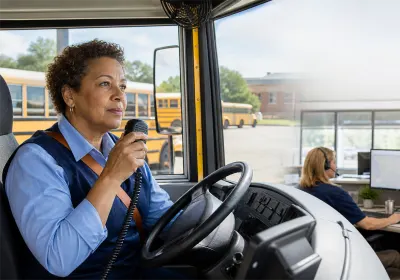

When Every Second Matters, Clarity Keeps Routes Moving
From routine delays to urgent incidents, strong communication practices help drivers, dispatchers, schools, and families respond with confidence.
Read More →
What Happens When a School Bus Catches Fire — and What Can Help
School bus fires are rare but can be devastating. Learn how advances in fire suppression and asset protection help fleets detect fires earlier, reduce damage, and improve safety.
Read More →
Geotab Launches Tool to Help Fleets Investigate Road Incidents
Geotab Investigations combines telematics data, video, documents, and other evidence to help fleets reconstruct incidents, resolve claims, and determine what happened.
Read More →
Texas Sixth Grader Wins 2026 National School Bus Safety Poster Contest
Sai Darshana Yekolu of Moseley Middle School in Prosper, Texas, was named the newest winner for her artwork, bringing the theme of “Safe Rides, Everyday Heroes” to life.
Read More →
Doing More With Less: How Transportation Directors Can Prioritize Safety Amid Budget Uncertainty
With diesel prices soaring and nearly one-third of transportation directors expecting budget cuts, maintaining student safety has never been more challenging. Download this guide to learn how leading districts are prioritizing risk, funding critical safety technology, and building stronger budget cases with data.
Read More →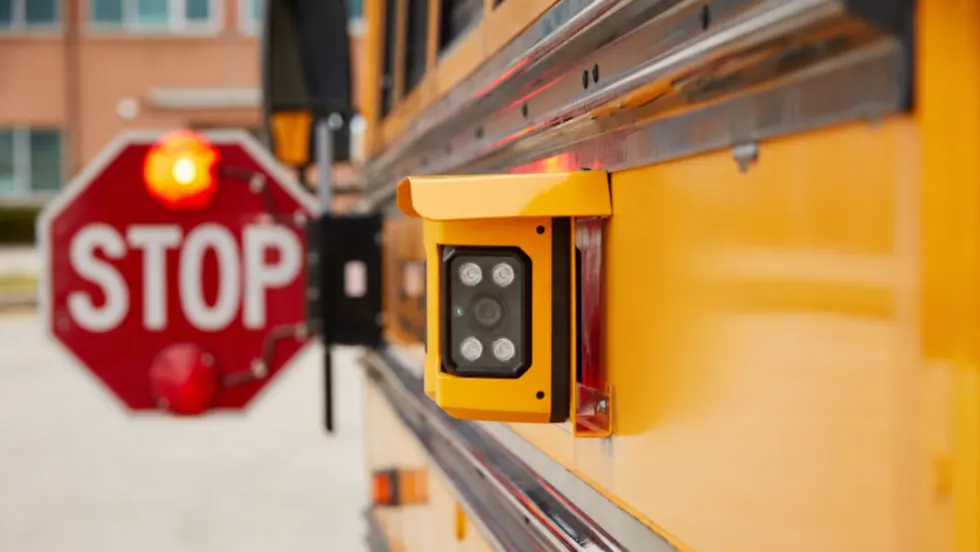
Walton County Schools Adds Gatekeeper Stop-Arm Enforcement System
The Florida district will deploy Gatekeeper’s updated Student Protector technology, which now incorporates AI to improve video evidence.
Read More →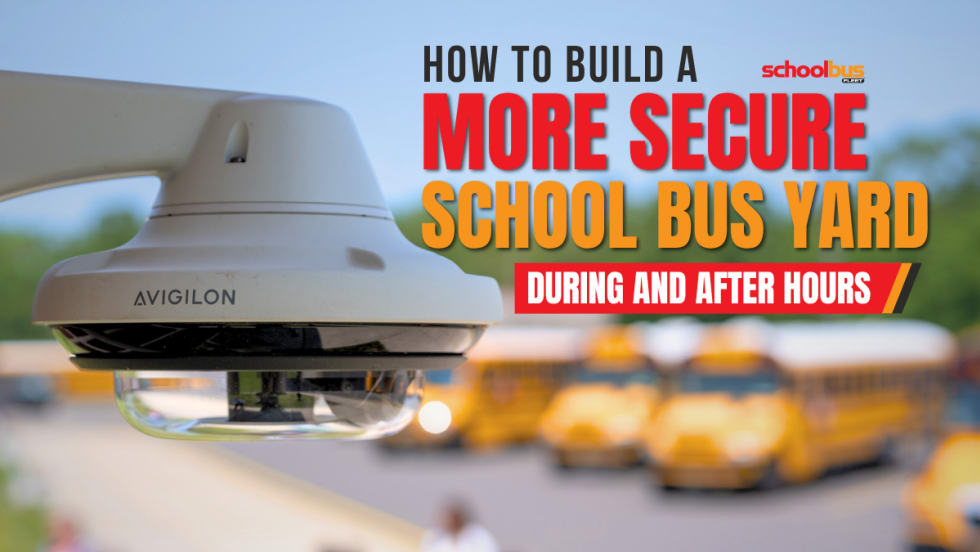
How To Build a More Secure School Bus Yard During and After Hours
As thefts and overnight security threats continue, school transportation leaders are combining stronger operational practices with AI-enabled surveillance to better protect buses, facilities, and staff.
Read More →