Key Steps to Successful School Bus Stop Arm Camera Programs
Check out how stop-arm safety programs and cameras protect children, deter illegal passing, and enhance school bus safety with these best practices and recommendations
by Belinda Olivares, Verra Mobility
September 11, 2024
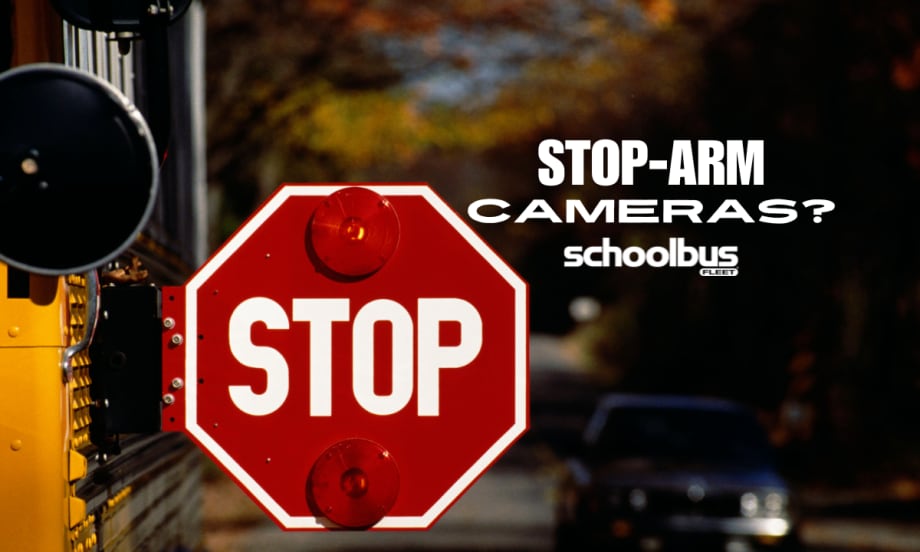
As we prioritize our students' safety, stop-arm cameras are a powerful tool to improve safety.
Photo: School Bus Fleet
4 min to read
School bus drivers often witness distracted drivers on their phones, in a rush, or blatantly disregarding a stopped school bus – even when the stop arm is extended. These actions carelessly put children at risk of being struck by a vehicle on their way to or from school.
Given the gravity of the consequences of distracted and careless drivers, school bus stop arm safety programs have emerged as a crucial tool for protecting children during their daily commutes. These safety camera programs deter drivers from illegally passing stopped school buses and provide valuable data for enhancing overall road safety. However, the success of these initiatives hinges on careful planning and execution.
Ad Loading...
Check out these best practices and recommendations for deploying stop-arm safety programs quickly and efficiently.
How School Bus Stop-Arm Cameras Work
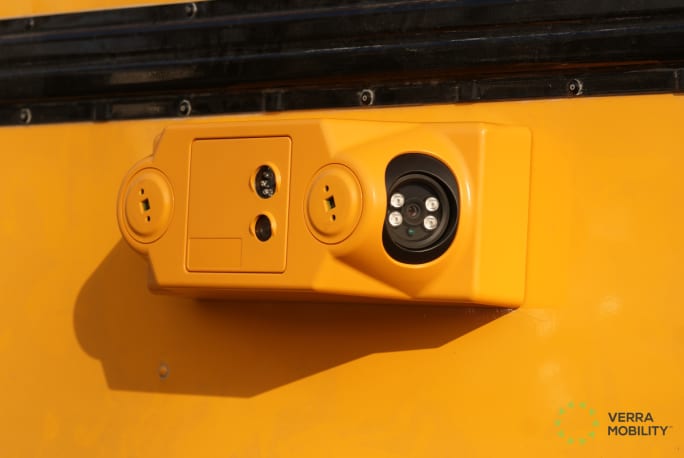
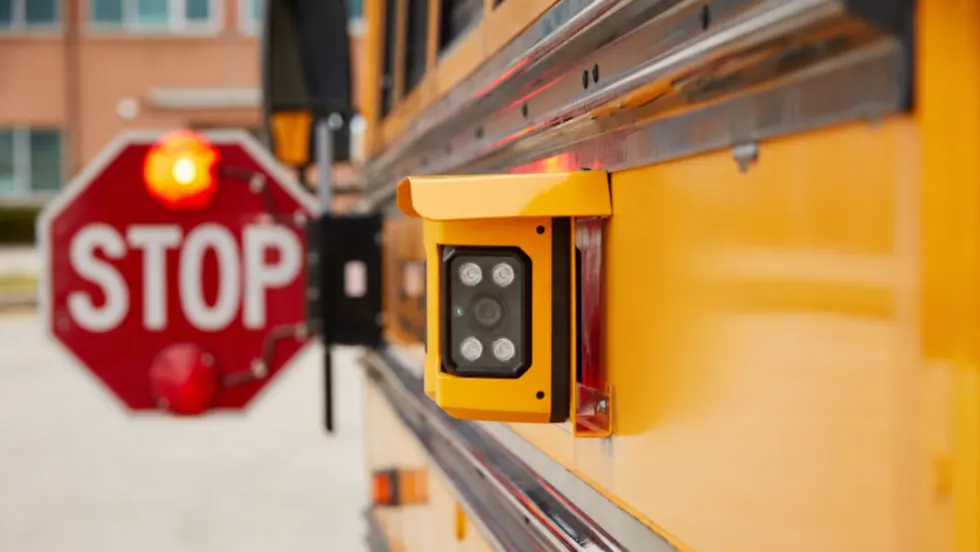
First, let me explain how these camera systems work. Each bus has a camera pod attached to the side of the bus. Once the vehicle stops, turns on safety lights, and fully extends the stop arm, the camera is activated to capture video of any drivers who illegally drive around the stopped bus.
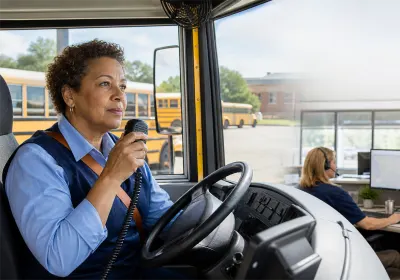
When a potential violation is captured, a human operator will review the video to ensure that the bus was fully stopped and that the arm was deployed before the potential infraction occurred. Once a violation is confirmed, a citation is mailed to the vehicle's owner.
In most districts, the owner can review the video and contest if anything looks out of place, but given the safety checks beforehand, citations are rarely overturned.
The Foundation: Selecting the Right School Buses
The first step in an effective stop-arm camera program is prioritizing the right school buses. This process involves more than simply selecting any bus in the yard - it’s essential to consider these factors to ensure an effective rollout:
Ad Loading...
Functionality Assessment: Before installation, conduct a thorough assessment of your fleet. Identify and address any necessary repairs to ensure each selected school bus is in optimal condition before scheduling the upgrade.
Long-term Availability: Choose buses that will be in regular service for at least nine months following the program's go-live date. This ensures consistent data collection and maximizes the impact of the safety initiative.
Operational Readiness: Selected school buses should already be part of the daily fleet, fully operational, and integrated into regular transportation schedules.
Once the vehicle stops, turns on safety lights, and fully extends the stop arm, the camera is activated to capture video of any drivers who illegally drive around the stopped bus.
Photo: Verra Mobility
Creating an Efficient Installation Environment
The installation process is a critical phase that requires careful planning and coordination. To streamline this process:
Designate a Spacious Work Area: Allocate a generous space within your school bus lot for installation and testing. This area should accommodate multiple buses and allow for easy movement of equipment and personnel. If your bus lot is limited, consider partnering with local facilities with larger parking areas available during the week, such as sports stadiums, malls, or large churches.
Prepare a Substitute Fleet: Have 10-20 buses ready each day to replace those being upgraded. This flexibility ensures minimal disruption to your regular transportation services.
Coordinate with Drivers: Ensure drivers and keys are readily available during installation. This facilitates quick access to school buses for testing and verification and helps ensure the drivers who know the vehicles best can facilitate the installation process.
The Installation Process and Testing
A typical installation takes about four hours per bus, not including the crucial drive-by testing. During this time, technicians carefully install the equipment, ensuring a neat and professional finish. Once installed, buses are lined up for drive-by tests to verify system functionality.
These tests check various inputs, such as the stop arm operation, warning lights, and event capture. Events must be captured, successfully downloaded, and processed through the system's infrastructure. By performing this end-to-end verification, school bus fleet managers can ensure that when the buses are on the road, they are fully prepared to maximize student safety.
Ad Loading...
Addressing Common Challenges
Weather conditions, particularly in areas with harsh winters, can pose challenges to camera functionality. Regular lens cleaning becomes crucial in these environments. Additionally, accidental damage to cameras, often from side-swiping branches or other objects, is common, especially in new programs.
To mitigate these issues, consider implementing driver awareness programs. This could include placing reminder signs inside buses about the presence of cameras and the need for extra caution. Regular walkarounds before routes help drivers spot potential issues and serve as a physical reminder of the additional equipment on their buses.
The Broader Impact
While the primary goal of these programs is to enhance student safety, their benefits extend beyond the immediate school environment. Stop-arm camera initiatives raise community awareness about school bus safety laws, provide valuable data for broader traffic safety initiatives, and encourage overall safer driving behaviors around school buses.
Our data at Verra Mobility finds that 98% of the vehicles that get a citation never get a second citation, indicating that most people change their behavior after a citation.
As we prioritize our students' safety, stop-arm cameras are a powerful tool to improve safety. They protect children and contribute to a safety culture that benefits everyone in the community. By following these best practices, we can ensure these programs achieve their full potential, safeguarding our most precious cargo – our children.
Belinda Olivares is a Senior Strategic Global Leader with expertise in driving growth for multinational B2B corporations across Transportation, Fintech, and Technology. With over 18 years at GE and roles at CIT and Diebold Nixdorf, she excels in leading transformation initiatives.
Passionate about community impact, she champions partnerships and M/WBE growth at Verra Mobility.
Is it time to strengthen your driver training? Here’s how to pick the right talent and improve recruitment, retention, and safety. This video is brought to you by IC Bus.
Four school bus crashes in Florida, Illinois, and Georgia highlight risks in transportation lots, at bus stops, and during student loading and unloading.
School bus fires are rare but can be devastating. Learn how advances in fire suppression and asset protection help fleets detect fires earlier, reduce damage, and improve safety.
Geotab Investigations combines telematics data, video, documents, and other evidence to help fleets reconstruct incidents, resolve claims, and determine what happened.
Sai Darshana Yekolu of Moseley Middle School in Prosper, Texas, was named the newest winner for her artwork, bringing the theme of “Safe Rides, Everyday Heroes” to life.
With diesel prices soaring and nearly one-third of transportation directors expecting budget cuts, maintaining student safety has never been more challenging. Download this guide to learn how leading districts are prioritizing risk, funding critical safety technology, and building stronger budget cases with data.
As thefts and overnight security threats continue, school transportation leaders are combining stronger operational practices with AI-enabled surveillance to better protect buses, facilities, and staff.
Steve Dowling is set to lead the federal agency's efforts to advance commercial motor vehicle safety and reduce crashes, fatalities, and injuries on the nation's roadways.