




Keep Security on the Front Burner
Security threats can happen anywhere, from a small town in Alabama to the capital city of Belgium.
At this writing, the world had just learned of the horrific terrorist attacks in Brussels. The March 22 bombings at the international airport and a subway station in the Belgian capital city have left at least 31 dead and more than 200 injured.
The attacks underscore the fact that public transportation — which by its nature brings together great masses of people — is a common target for terrorists and others with malicious motives.
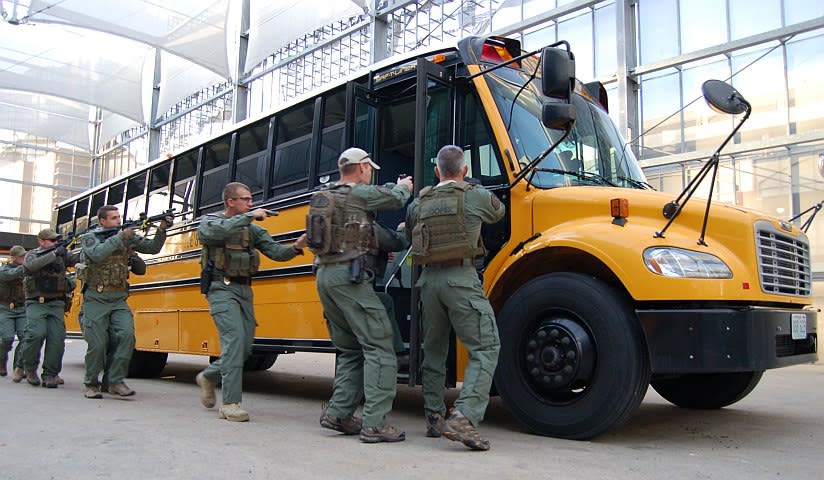
Here in the U.S. pupil transportation community, thoughts often turn back to the killing of Alabama school bus driver Charles Poland three years ago. The armed intruder who boarded Poland’s bus fatally shot the Dale County Schools driver and then took a 5-year-old boy hostage, holding him in an underground bunker. The standoff with authorities dragged on for nearly a week before FBI agents stormed the suspect’s bunker, killed him and rescued the boy.
The Dale County incident captured the world’s attention for a time, but it had a more profound and long-lasting impact on the pupil transportation community in Alabama and across the country.
As we reported, school bus security measures have been stepped up in a number of ways in Alabama since the slaying of Poland.
For one, the state’s subsequent passage of the Charles “Chuck” Poland Jr. Act made it a Class A misdemeanor to trespass on a school bus. The maximum fine for the offense was raised from $2,000 to $6,000, and violators can also be sentenced to a year in jail.
All of these incidents show that security threats can happen anywhere, from a small town in Alabama to the capital city of Belgium.
Also, new stickers on all Alabama school buses display a clear warning that trespassing on the bus is against the law.
In Dale County, the school district has been working with local law enforcement to bolster security training, and the district even donated an old school bus to be used in training efforts.
Keeping school buses and staff secure in the bus yard is another priority for many school districts and contractors across the nation.
As noted in one of our feature articles, the Transportation Security Administration (TSA) can conduct assessments of school bus facility security, and some operations have taken them up on that offer. Suffolk Transportation Service in New York is a great example: Their first assessment prompted them to make multiple security upgrades, and they even invited TSA back for a follow-up assessment.
Sometimes, security threats don’t directly involve school buses, but pupil transportation professionals are called on to help at the scene of a crisis. That was the case in the Boston Marathon bombings in 2013, when school bus drivers evacuated runners and spectators away from the area.

James Blue is general manager of School Bus Fleet.
More recently, after the mass shooting in San Bernardino, California, that killed 14 people on Dec. 2, four Durham School Services drivers shuttled survivors from the scene to designated safe areas.
All of these incidents show that security threats can happen anywhere, from a small town in Alabama to the capital city of Belgium.
A tragedy like the terrorist attack in Brussels brings security sharply back into the limelight. But in the pupil transportation business, we should always be assessing the security of operations, looking for vulnerabilities, and taking proactive steps to safeguard passengers and staff.
In today’s world, school bus security should always be on the front burner.
More Safety

How to Build a Better School Bus Driver Training Program
Is it time to strengthen your driver training? Here’s how to pick the right talent and improve recruitment, retention, and safety. This video is brought to you by IC Bus.
Read More →
Recent School Bus Accidents Leave 2 Dead, 2 Injured
Four school bus crashes in Florida, Illinois, and Georgia highlight risks in transportation lots, at bus stops, and during student loading and unloading.
Read More →
When Every Second Matters, Clarity Keeps Routes Moving
From routine delays to urgent incidents, strong communication practices help drivers, dispatchers, schools, and families respond with confidence.
Read More →

What Happens When a School Bus Catches Fire — and What Can Help
School bus fires are rare but can be devastating. Learn how advances in fire suppression and asset protection help fleets detect fires earlier, reduce damage, and improve safety.
Read More →
Geotab Launches Tool to Help Fleets Investigate Road Incidents
Geotab Investigations combines telematics data, video, documents, and other evidence to help fleets reconstruct incidents, resolve claims, and determine what happened.
Read More →
Texas Sixth Grader Wins 2026 National School Bus Safety Poster Contest
Sai Darshana Yekolu of Moseley Middle School in Prosper, Texas, was named the newest winner for her artwork, bringing the theme of “Safe Rides, Everyday Heroes” to life.
Read More →
Doing More With Less: How Transportation Directors Can Prioritize Safety Amid Budget Uncertainty
With diesel prices soaring and nearly one-third of transportation directors expecting budget cuts, maintaining student safety has never been more challenging. Download this guide to learn how leading districts are prioritizing risk, funding critical safety technology, and building stronger budget cases with data.
Read More →
Walton County Schools Adds Gatekeeper Stop-Arm Enforcement System
The Florida district will deploy Gatekeeper’s updated Student Protector technology, which now incorporates AI to improve video evidence.
Read More →
How To Build a More Secure School Bus Yard During and After Hours
As thefts and overnight security threats continue, school transportation leaders are combining stronger operational practices with AI-enabled surveillance to better protect buses, facilities, and staff.
Read More →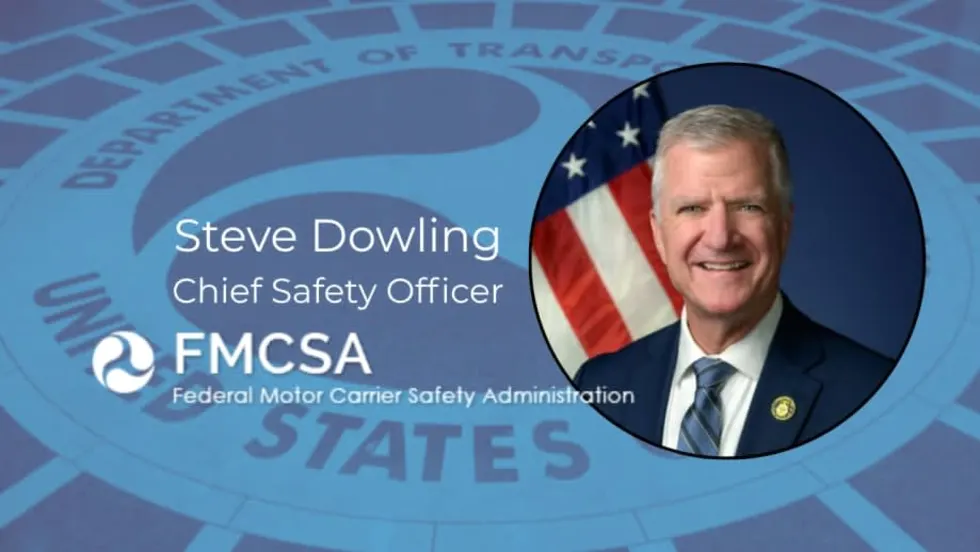
FMCSA Names New Chief Safety Officer: What School Bus Operators Should Know
Steve Dowling is set to lead the federal agency's efforts to advance commercial motor vehicle safety and reduce crashes, fatalities, and injuries on the nation's roadways.
Read More →