




Getting back to driver training basics
School bus drivers must learn how to judge other traffic and blend their stop arms into the traffic flow.
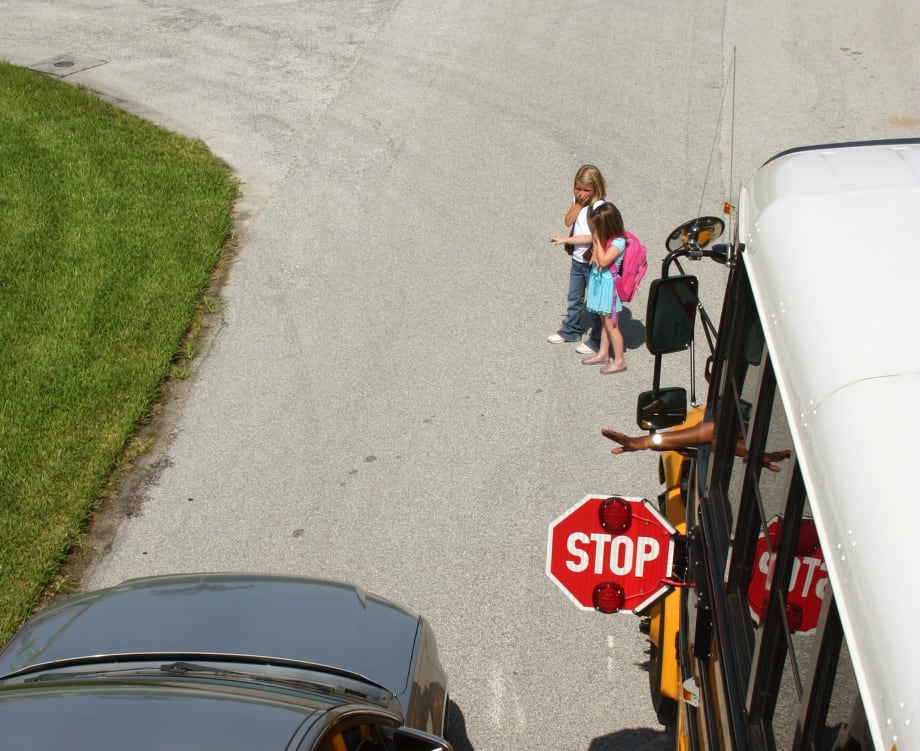
Thousands of stop-arm violations like the one depicted here occur every day thoughout the U.S.
Photo by Brevard (Fla.) Public Schools
With the National Congress on School Transportation (NCST) now several months in the past, it gives me time to reflect on what was accomplished right here in Des Moines, Iowa, in May.
NCST is primarily for establishing new specifications for school buses, and most of those specifications relate to making our beloved yellow buses safer for the students who ride them. Yet even with all the advancements in equipment and technology in regard to safety, a fundamental piece that has to go along with them is school bus driver training. Without proper training, the safest vehicle on the road can still be dangerous.
NCST does address school bus driver training, and in fact first addressed it in 1948. The 2010 National School Transportation Specifications and Procedures manual dedicated five pages to this topic.
Yet with all the emphasis we place on equipment, safety, technology and driver training, we still see news of incidents that really should not be happening:
We recently saw a bus go flying into a pond in Florida. The initial suspected cause was the driver mistaking the accelerator pedal for the brake pedal, with an estimated speed of 48 mph just before leaving the roadway.
We’ve seen multiple instances of children being dragged when their backpacks get caught as the bus entrance door shuts.
A school bus driver in Ohio was recently fired for running a stop sign, which was captured on video by a mother watching as it happened. This video was viewed over 65,000 times in the next 24 hours — is it any wonder some parents don’t want to put their kids on our buses?
And then every day, we have thousands of stop-arm violations throughout the nation.
In most of these cases, it would seem that basic driver training may be lacking. Mistaking the accelerator pedal for the brake pedal? This is one of the very first things all of us learn as young drivers.

Max Christensen is Iowa’s state director of pupil transportation.
Running a stop sign? When I was learning to drive, my dad would sit beside me and emphasize three simple words: “Stop means stop!” There is nothing hard to remember about that.
Backpacks getting caught when the entrance door shuts? Some have blamed this on the fact that many of our newer buses have the door switch on the left-hand side of the control panel, thus taking the driver’s eyes and attention away from the entrance door on the right. But what about in the old days when the stop arm was a manual lever on the left side of the bus? We didn’t seem to have kids getting caught in the doors in those days. On the other hand, it can also be argued that backpacks didn’t exist then.
These types of problems can be avoided if a driver follows the most basic steps of school bus driver training, which are “count them on, count them off,” and make sure that every child can be accounted for before you move the bus.
Pretty simple stuff, it seems, but many of our school bus drivers either aren’t being trained in these methods or are so distracted that they forget the basics.
What about the problem of school bus stop-arm violations? Cameras can help us catch the perpetrators, but that’s after the fact. What if a young rider loses his or her life in the meantime?
Certainly technology and equipment can help to prevent many of these violations, but proper driver training can protect the children in the danger zone — and in some instances can actually prevent some non-violations as being reported as violations.
In a recent example, video footage showed a vehicle passing a stopped school bus (watch the video here). Yet upon closer examination, the amount of time from when the bus actually stopped until the other vehicle was completely past the bus was less than three seconds. Can you safely stop your car in less than three seconds from any speed? I didn’t think so — nor can I.
I don’t believe there is a single state that requires other drivers who are meeting a school bus to stop for the amber lights, but rather to slow down and be prepared to stop. Yet in the aforementioned instance, the ambers were flashing, so the other vehicle had the legal right to continue moving until the bus stopped, the stop arm came out and the red lights were flashing.
Did the other vehicle go through the stop arm and red lights? It appears that it did. Was this truly a violation? Unless you think another vehicle can stop for your stop arm and red lights in less than three seconds, then likely not.
Again, proper driver training would help to prevent these sorts of “violations.” School bus drivers must learn how to judge other traffic and blend their stop arms into the traffic flow. Violations like this tend to give rise to the notion that some school bus drivers are trying to entrap other drivers. I hope that is not the case, but it’s easy to see how actions like this could be interpreted as such.
And finally, the most troubling accidents are those in which the school bus runs over a student. This goes back to the “count them on, count them off” rule, and if you can’t account for a child, don’t move the bus until you can.
A lot of our driver in-services, training sessions and conferences can get pretty “deep in the weeds” on some aspects of driving a bus. Yet let’s not forget the basic skills that every driver needs to help protect our most precious cargo.
More Management
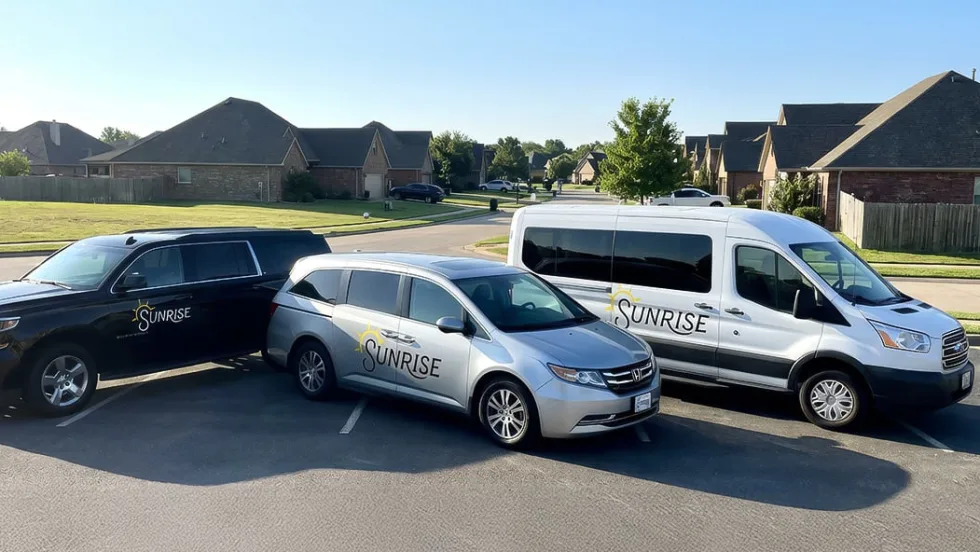
STA Acquires Sunrise Transportation
Student Transportation of America expands in Illinois and Connecticut through Sunrise's fleet of nearly 1,000 vehicles.
Read More →
EPA Opens $180M DERA Funding Round for Diesel Upgrades
The 2026 Diesel Emissions Reduction Act program seeks applications from eligible organizations to accelerate the retirement of legacy diesel vehicles.
Read More →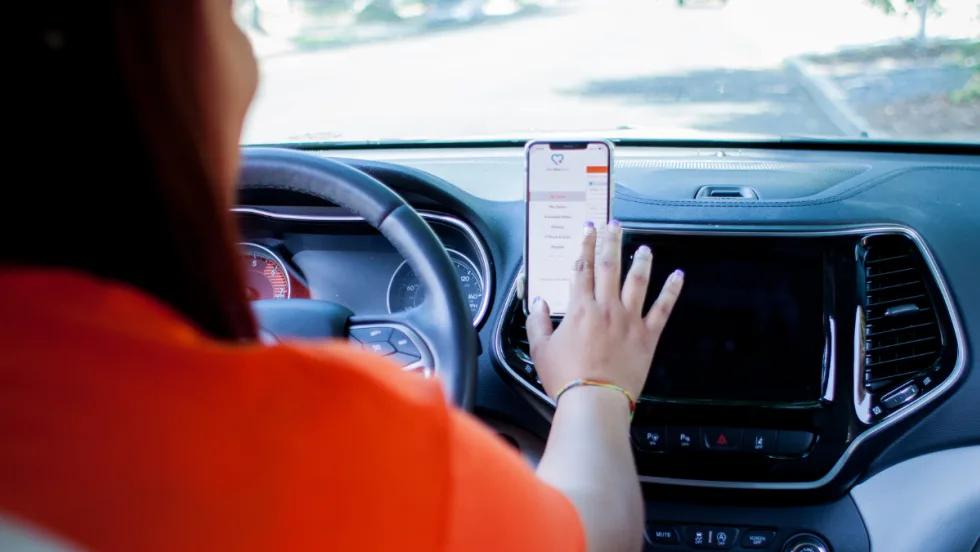
HopSkipDrive’s CareEngine Targets the ‘Exceptions’ in Student Transportation
The new platform works alongside districts’ existing transportation management systems to coordinate specialized rides, automate last-minute changes, and turn ride data into operational improvements.
Read More →


The Right Ride for Every Student: Navigating the New Student Transportation Ecosystem
How should districts blend school buses with small-vehicle transportation and other options? EverDriven CEO Mitch Bowling discusses safety, costs, partnerships, and strategy.
Read More →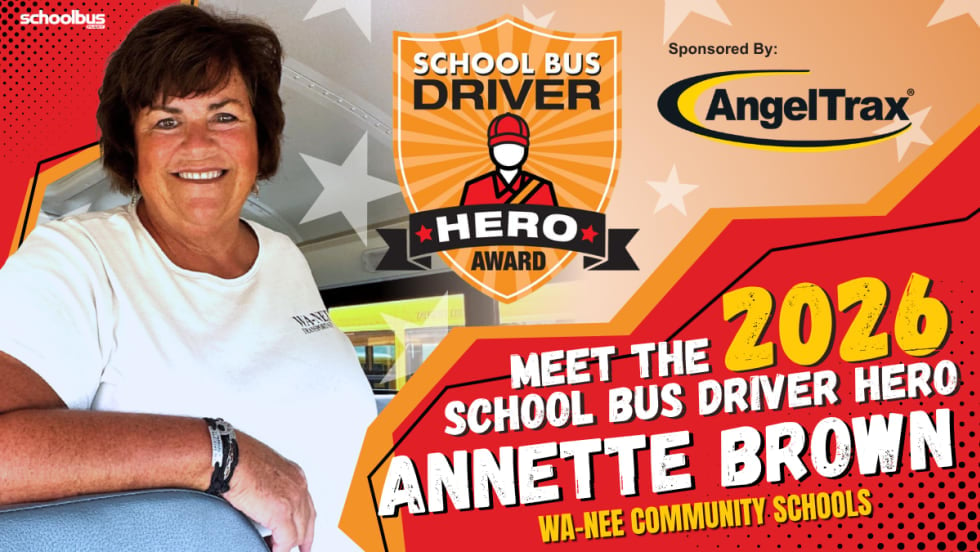
Annette Brown Always Takes the Extra Time: Meet Our 2026 School Bus Driver Hero
For more than 30 years, the Wa-Nee Community Schools driver has treated students like family, combining safety, compassion, and servant leadership to make a lasting difference on and beyond the school bus.
Read More →
How to Build a Better Driver Training Program
Ready to boost up your school bus instructor training? Here’s how to pick the right talent and improve recruitment, retention, and safety.
Read More →
CALSTART and Forth Combine to Form Catalyst Mobility
The new name represents a renewed vision for the nonprofit focused on advancing clean, equitable, and affordable transportation solutions that move people and goods.
Read More →
What Makes a Great School Bus Driver Trainer?
Choosing the right school bus driver trainer takes more than experience. Learn six keys to selecting and developing trainers and evaluating program effectiveness.
Read More →
School Bus Contractors Expand Through New Deals, Acquisitions & Partnerships
STA's Canadian division acquires Ontario-based G&L Stevenson Transport; Durham School Services adds a new district in California; First Student expands in New Jersey; and Minnesota Coaches rebrands and acquires Halo Transportation.
Read More →
Logan Bus Company Rolls Out AI Phone System for NYC School Bus Families
A summer pilot found that AI agents could handle most routine calls, freeing up time for customer service staff to focus on emergencies and complex family concerns.
Read More →