




Fuel tax exemption must be protected
School bus operations have been exempt from the federal fuel tax since 1978. Keeping it that way is a key concern for many in the industry.

Congress knows how to keep us on the edge of our seats. That was the case in last year’s federal government shutdown. It was also the case this summer, when it was up to Congress to keep the U.S. Highway Trust Fund from going bankrupt.
On July 31, Congress passed a bill to keep the highway fund solvent until May 31 of next year. If not for that last-minute action, funding for highway construction projects would have slowed and then stopped in about a month.
While an infrastructure fiasco has been averted for now, legislators really only “kicked the can down the road” until next spring. Then, Congress will again have to decide whether to figure out a long-term funding plan or resort to another short-term patch for the Highway Trust Fund.
Perhaps the most prominent — and contentious — proposal to help adequately finance the highway fund is to raise the federal fuel tax. And that’s where it gets interesting for the school bus industry.
The Highway Trust Fund, established in 1956, finances construction of the nation’s highways, bridges and railways, and it supports mass transit. It does this primarily through the federal fuel tax, which since 1993 has stayed at 18.3 cents per gallon of gasoline and 24.4 cents per gallon of diesel.
School bus operations have been exempt from the federal fuel tax since 1978. Keeping it that way is a key concern for many in the industry.
The National School Transportation Association (NSTA) has long been lobbying to protect the fuel tax exemption for school buses. Becky Weber of Prime Policy Group, which works with NSTA, says that this was one of the top issues that NSTA members discussed with congressional representatives during their visit to Capitol Hill this spring.
Mike Martin of the National Association for Pupil Transportation says that “if someone’s costs go up, particularly as a result of increased taxes, their prices are likely to go up, too. That’s a practical reason school districts and their contract service providers should work together to protect the fuel tax exemption.”
Charlie Hood of the National Association of State Directors of Pupil Transportation Services notes that “removing the exemption would eventually increase the cost of student transportation in those states that use contracted student transportation for some or all of their services.”
While the school bus exemption has been preserved for well over three decades, the dire situation of the Highway Trust Fund could pose a threat. Fuel tax revenue for the fund has declined in recent years as cars have become more fuel-efficient and the number of miles driven has decreased.
For Congress, increasing the fuel tax would be a politically dangerous move. But even if lawmakers don’t increase the fuel tax, they could still take away the fuel tax exemption for school transportation, which would not go far in shoring up the Highway Trust Fund but would be detrimental to the school bus industry.
Weber of Prime Policy Group adds: “The industry must be vigilant to ensure Congress is educated that the rationale for the federal fuel tax exemption for school bus transportation remains as valid today as it did when it was instituted.”
More Safety

How to Build a Better School Bus Driver Training Program
Is it time to strengthen your driver training? Here’s how to pick the right talent and improve recruitment, retention, and safety. This video is brought to you by IC Bus.
Read More →
Recent School Bus Accidents Leave 2 Dead, 2 Injured
Four school bus crashes in Florida, Illinois, and Georgia highlight risks in transportation lots, at bus stops, and during student loading and unloading.
Read More →
When Every Second Matters, Clarity Keeps Routes Moving
From routine delays to urgent incidents, strong communication practices help drivers, dispatchers, schools, and families respond with confidence.
Read More →

What Happens When a School Bus Catches Fire — and What Can Help
School bus fires are rare but can be devastating. Learn how advances in fire suppression and asset protection help fleets detect fires earlier, reduce damage, and improve safety.
Read More →
Geotab Launches Tool to Help Fleets Investigate Road Incidents
Geotab Investigations combines telematics data, video, documents, and other evidence to help fleets reconstruct incidents, resolve claims, and determine what happened.
Read More →
Texas Sixth Grader Wins 2026 National School Bus Safety Poster Contest
Sai Darshana Yekolu of Moseley Middle School in Prosper, Texas, was named the newest winner for her artwork, bringing the theme of “Safe Rides, Everyday Heroes” to life.
Read More →
Doing More With Less: How Transportation Directors Can Prioritize Safety Amid Budget Uncertainty
With diesel prices soaring and nearly one-third of transportation directors expecting budget cuts, maintaining student safety has never been more challenging. Download this guide to learn how leading districts are prioritizing risk, funding critical safety technology, and building stronger budget cases with data.
Read More →
Walton County Schools Adds Gatekeeper Stop-Arm Enforcement System
The Florida district will deploy Gatekeeper’s updated Student Protector technology, which now incorporates AI to improve video evidence.
Read More →
How To Build a More Secure School Bus Yard During and After Hours
As thefts and overnight security threats continue, school transportation leaders are combining stronger operational practices with AI-enabled surveillance to better protect buses, facilities, and staff.
Read More →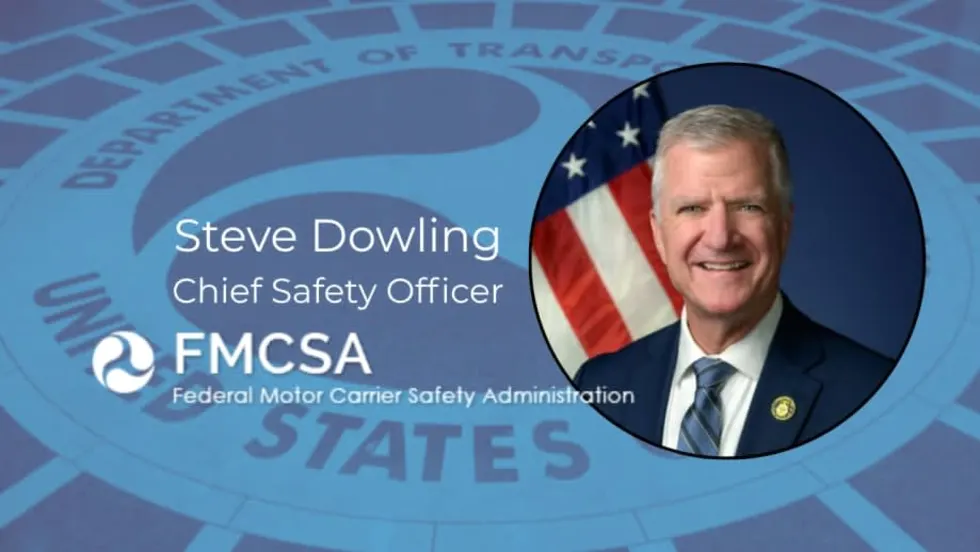
FMCSA Names New Chief Safety Officer: What School Bus Operators Should Know
Steve Dowling is set to lead the federal agency's efforts to advance commercial motor vehicle safety and reduce crashes, fatalities, and injuries on the nation's roadways.
Read More →