




FCC’s Radio Mandate: Getting Tuned In
Although the 2013 deadline is a few years away, now is the time to begin planning and budgeting. Here’s an overview of the mandate and how it may affect your radio system.

Jan. 1, 2013, brings a new set of regulations that may affect your radio system. To meet the deadline, do you re-band, re-tune or replace?
As usual, the answer is “yes” and “depends.” Regardless of your approach, all work must be completed by Dec. 31, 2012.
In December 2004, the Federal Communications Commission (FCC) issued a mandate that all Part 90 business, educational, industrial, public safety, and state and local government VHF (150-174 megahertz) and UHF (421-512 megahertz) private land mobile radio licensees convert their radio system operations from legacy wideband (25 kilohertz) to narrowband (12.5 kilohertz or equivalent) operations. School buses fall directly under this mandate.
So what does this mean for each operation? The following explanations are intended to provide basic system information. The FCC mandate:
• Does not require licensees to change to new radio frequencies or different frequency bands.
• Does not require moving from analog to digital or from a conventional to a trunked radio system.
• Does not mean that licensees need to replace all current radio system equipment.
• Does require that all wideband-only conventional or trunked VHF and UHF radios be replaced with narrowband-capable equipment prior to 2013. This includes hand-held portables, vehicle-mounted mobiles, dispatcher stations, wireless data, telemetry, or supervisory control and data acquisition link radios (called subscriber radios) and associated wideband-only conventional or trunked base or repeater stations (called infrastructure radios).
• Does require that radio system licenses be modified. Schools must verify FCC licensing and meet FCC Part 90. In some cases, a frequency coordinator must be used.
• Does require replacement of any soon-to-be-non-compliant equipment.
Some states have interoperable systems. Joining these systems can be beneficial to all parties.
For in-depth system or radio info, generally look to an outside source such as a consultant or vendor, as they will determine current and future equipment, system capabilities, a load impact survey (if required) and installation.
As you begin your process, answer these questions:
• What equipment do you currently have? Analyze your system. Consider doing a system inventory/audit including all school district radios (note all makes and model numbers).
• What technology is now available? Each radio and each system is customer configurable.
• What will your funding source be?
• What frequencies are programmed in your radio? Gather information on your license frequencies and those used under sharing agreements.
Although 2013 is a few years away, now is the time to begin your process, as it will require planning and budgeting to meet the deadline.
For more information about types of systems, such as radio-to-radio, conventional repeater, single-site trunked, DTRS (multi-site), cellular and project management, contact:
• Theresa M. Anderson, Anderson Consulting LLC, thanders@comcast.net. (720) 979-4039.
• Jeffrey Oehm, The Oehm Group, jeff@oehmgroup.com, (303) 929-3119.
More Safety
Illegal School Bus Passing Drops 24% in New York Districts
With fewer than 5% of citations involving repeat offenders, Westchester County officials said enforcement, education, and community partnerships are helping change driver behavior.
Read More →
School's Back. Here's What Happened to Traffic, Speeding & Distraction
What happens to traffic when school resumes? New data analysis examines changes in distracted driving, congestion, and speeding around schools.
Read More →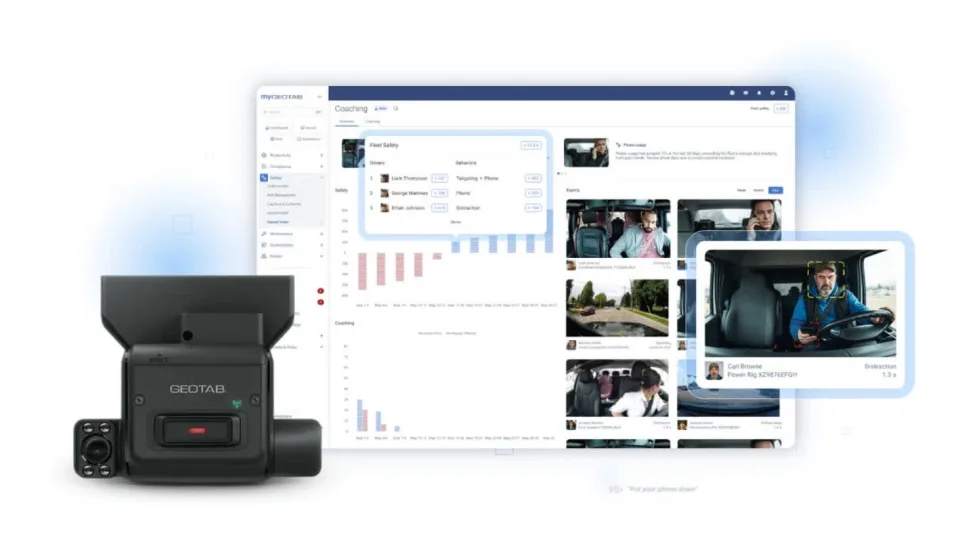
Geotab Expands Fleet Safety Tools With Video Coaching, Risk Insights
New safety and video capabilities aim to help fleet managers assess risk, support drivers, and take targeted action through video coaching, red-light violation detection, and more.
Read More →

How to Build a Better School Bus Driver Training Program
Is it time to strengthen your driver training? Here’s how to pick the right talent and improve recruitment, retention, and safety. This video is brought to you by IC Bus.
Read More →
Recent School Bus Accidents Leave 2 Dead, 2 Injured
Four school bus crashes in Florida, Illinois, and Georgia highlight risks in transportation lots, at bus stops, and during student loading and unloading.
Read More →
When Every Second Matters, Clarity Keeps Routes Moving
From routine delays to urgent incidents, strong communication practices help drivers, dispatchers, schools, and families respond with confidence.
Read More →
What Happens When a School Bus Catches Fire — and What Can Help
School bus fires are rare but can be devastating. Learn how advances in fire suppression and asset protection help fleets detect fires earlier, reduce damage, and improve safety.
Read More →
Geotab Launches Tool to Help Fleets Investigate Road Incidents
Geotab Investigations combines telematics data, video, documents, and other evidence to help fleets reconstruct incidents, resolve claims, and determine what happened.
Read More →
Texas Sixth Grader Wins 2026 National School Bus Safety Poster Contest
Sai Darshana Yekolu of Moseley Middle School in Prosper, Texas, was named the newest winner for her artwork, bringing the theme of “Safe Rides, Everyday Heroes” to life.
Read More →
Doing More With Less: How Transportation Directors Can Prioritize Safety Amid Budget Uncertainty
With diesel prices soaring and nearly one-third of transportation directors expecting budget cuts, maintaining student safety has never been more challenging. Download this guide to learn how leading districts are prioritizing risk, funding critical safety technology, and building stronger budget cases with data.
Read More →