





IC Bus Prioritizes Safety Tech, Announces 100 Electric School Bus Orders
Electric School Bus Roundtable: Trish Reed (IC Bus)
The vice president and general manager thinks federal funding will put electric school buses in easier reach of school districts.
October 15, 2021

7 min to read
From building new factories to pushing to reclaim momentum lost during the pandemic shutdown of 2020, electric school bus manufacturers are rolling forward with ambitions to make their vehicles more accessible and affordable.
Those ambitions could get a boost thanks to the federal government in August passing bipartisan infrastructure legislation, which includes billions of dollars for electric and low-emission school buses.
School Bus Fleet asked several manufacturers to give their forecasts for the coming year as we emerge from the COVID-19 pandemic:
Trish Reed (IC Bus)
SBF: How would you assess school bus industry market conditions for 2022?
Trish Reed: With students returning to the classroom for in-person learning along with other economic indicators we expect the school bus industry to exceed replacement demand volumes (31,000) in 2022.
However, supply chain disruption along with labor shortages and the ongoing pandemic continue to challenge automotive and commercial transport manufacturers, which we expect to continue into 2022 and could place constraints on production. IC Bus, leveraging the scale of Navistar and the Traton Group, has worked proactively with suppliers to limit the impact to our Tulsa, Oklahoma, Bus Assembly Plant, and will continue to do so to ensure ongoing school bus production for our customers.
SBF: What kind of feedback has your company received at demonstrations/deployments of its electric bus?
Reed: We have been demonstrating our new IC Bus Electric CE Series school bus, and the feedback has been overwhelmingly positive. IC Bus has conducted demonstration visits at school districts since November 2020, and hosted school districts at Navistar’s NEXT eMobility Solutions division for demonstrations since January of this year.
Customers love the fact that the electric bus is not a radical departure from the IC Bus CE Series they already know and love, which allows drivers to quickly become familiar with the electric version of the bus. Thy typically become comfortable driving it after only a short test drive. One of the most commented‐on features of the bus is its three levels of regenerative braking, allowing the driver to customize the way the bus captures energy when decelerating, from level 1 for long trips on interstate highways to the industry’s most aggressive regen at level 3 that enables true one pedal style driving. Additionally, our state‐of‐the‐art LCD instrument cluster located in the center of the driver’s field of view provides clear intel on relevant driving and system information, which has received a lot of positive feedback as well.
One representative with NEXT eMobility Solutions Group said after a ride: “We not only successfully climbed the hill, but we regen’d down the hill putting 2 percent more state of charge back into the battery during that single event.”
SBF: In August, the U.S. Senate passed the bipartisan Infrastructure Investment and Jobs Act, which includes $5 billion for electric and low‐emissions school buses. How do you think the increase in funding will impact the transition to zero‐emission/electric buses for school transportation?
Reed: Once the Infrastructure Investment and Jobs Act passes, we expect the additional funding to accelerate the transition to electric buses and to bring interest in electric buses to new school districts where previously electric buses may have been financially out of reach. The bill will also help to establish the battery and other EV component supply chain here in the US, and we expect this to accelerate the industry’s transition to electric powertrains. Additionally, the bill increases funding for EV charging stations and infrastructure along highways and interstates, further easing the adoption of electric buses by making charging more available for afterschool activities.
SBF: With more funding available comes an increase in demand. How is your company working to meet the increasing demand for zero‐emissions/electric buses?
Reed: All of our IC buses, including the Electric CE Series, are manufactured to the same world-class standards in our Tulsa Bus Assembly facility. Our electric bus is fully designed, engineered, and manufactured by Navistar, we do not use third‐party powertrains or other integrators, which enables IC Bus to scale production with industry demand. We also use components that are common with the new International eMV medium‐duty truck. The sharing of components between these vehicles increases our volume improves the robustness of our supply chain and helps to ensure our suppliers can scale along with the industry.
SBF: What lasting impacts do you think the COVID‐19 pandemic will have on the manufacturing side of school transportation? Particularly for electric school buses?
Reed: The COVID‐19 pandemic has impacted the school bus market in a variety of ways, from idling school bus fleets last year to highlighting the need for clean transportation solutions that do not impact children with respiratory issues.
SBF: How is your company addressing performance concerns, such as surmounting hilly terrain and coping with cold weather impacts on batteries and regenerative braking?
Reed: The IC Bus Electric CE Series shines in hilly terrain and cold weather. This is one of the reasons we chose to deploy our first 18 buses in the challenging environment of British Columbia, which is no stranger to cold and hills.
The Electric CE Series features three levels of regenerative braking, with our level 3 being one of the most, if not the most, aggressive regen in the industry. Level 3 enables true one pedal‐style driving that really comes to life during hilly routes. When you lift your foot from the accelerator pedal in level 3, the bus will slow down to almost a complete stop and typically the service brakes are only needed for the last few MPH to bring the vehicle to a complete stop. This enables the bus to capture the most amount of energy when slowing down, energy that is put back into the battery for later use. The feedback we have been getting from drivers is that they love the one pedal-style driving, it allows them to deliver a smoother more efficient ride, and is less stressful in hilly terrain since they are not on the service brakes the whole way down the hill. The CE Electric Series bus also includes a dedicated HVAC system for the high-voltage batteries. This HVAC system will keep the batteries at their ideal temperature and ensure the bus is providing top performance in cold weather.
SBF: What other kinds of changes or new developments do you see in the coming years for the industry?
Reed: This is an exciting time for the industry as it is poised for pretty large changes over the next 10 years. Improvements in power density, faster charging, and more EV infrastructure is on the horizon and we expect all three of those trends to accelerate in that timeframe. Navistar is working to improve next‐generation battery, electric motor, and charging performance and our product roadmap has steady improvements in all of those areas.
SBF: Are there any new developments at your company that you would like to share?
Reed: Navistar’s NEXT eMobility Solutions group has developed a robust system to help school districts identify where and when to deploy electric buses. NEXT’s 5C’s approach to electrification helps districts every step of the way to ensure a successful deployment of electric buses. As part of their Consulting C, NEXT has developed a ZETCO (Zero Emission Total Cost of Ownership) calculator and a process that analyses a district’s routes. The ZETCO looks at 23 different data points and can help determine when it makes sense to deploy electric buses. Also, NEXT can analyze your routes to determine which routes are best for electric buses. These processes along with the other C’s in NEXT’s 5C process will help give districts the answers they need to deploy electric buses with confidence.
NEXT also recently announced the NEXTperience trailer. The trailer is dedicated to helping dealers and customers learn about the full EV ecosystem and will be used for sales, service, and training events. As the industry adopts EVs, IC Bus and the NEXT the team want to ensure customers have the necessary knowledge to implement electric vehicles successfully. The NEXTperience trailer is expected to launch in early 2022 and will tour the US and Canada.
Subscribe to Our Newsletter
More Alternative Fuels

CALSTART and Forth Combine to Form Catalyst Mobility
The new name represents a renewed vision for the nonprofit focused on advancing clean, equitable, and affordable transportation solutions that move people and goods.
Read More →
Alt-Fuel Moves: New Buses, Charging Hubs & Real-World EV Testing
Propane and electric school bus deployments continue to grow as districts add new vehicles, expand charging infrastructure, and gather more real-world operating data.
Read More →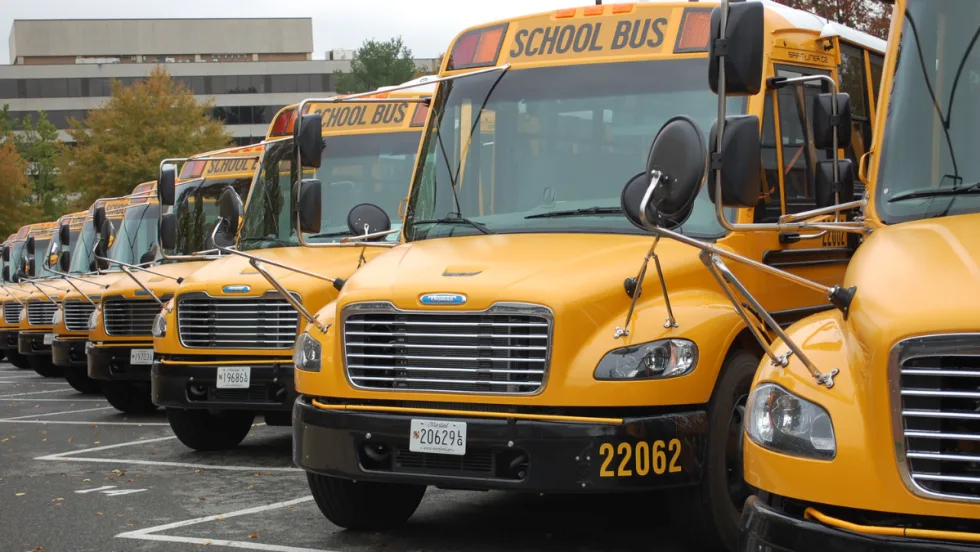
Fewer Electric School Bus Models Reshape the U.S. Market
WRI’s latest buyer’s guide points to a consolidating electric school bus market, but fewer options may reflect a maturing industry rather than fewer meaningful choices for school bus operators.
Read More →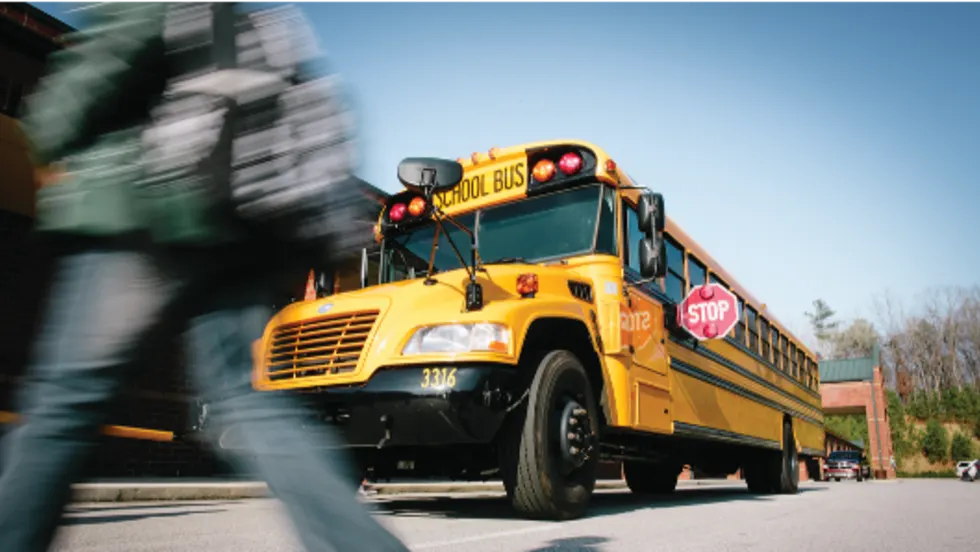
The Fuel Budget You Can Actually Predict: How Propane Autogas Keeps Money in the Classroom
Learn how propane autogas helps school districts manage fuel costs with predictable pricing, lower maintenance, and reduced emissions from former transportation director Joel Stutheit.
Read More →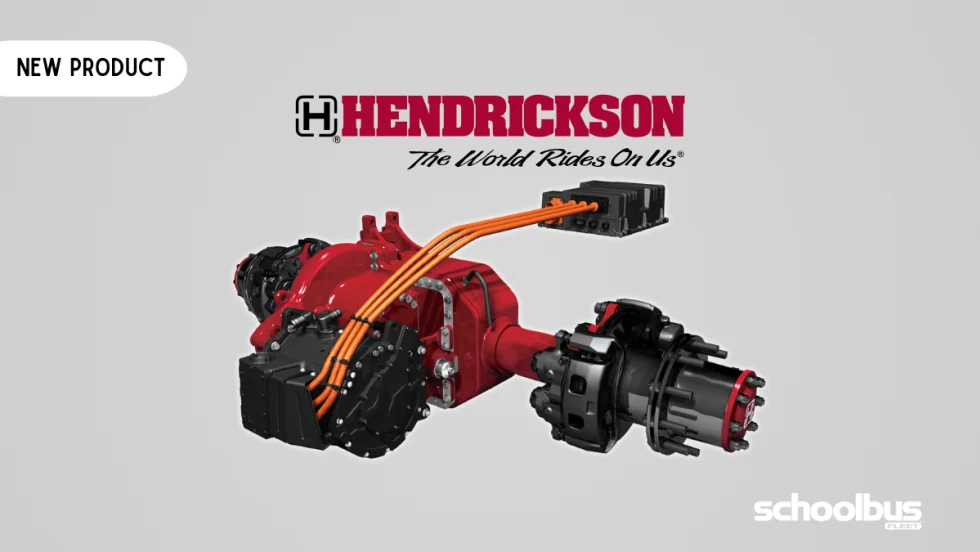
Hendrickson, Driventic Introduce New Electric Powertrain for School Buses
ELECTRAAX, the electrified, lightweight drive axle offers integrated ePowertrain efficiency and modular flexibility for Class 6–7 school bus use.
Read More →
The Mobility House Joins PowerFlex in Fleet Electrification Deal
The acquisition combines intelligent charging software, bidirectional charging expertise, and fleet electrification services to support the growing adoption of electric school buses across North America.
Read More →
Alt-Fuel Moves: Electric School Bus Investments Hit the Road
See which districts across the U.S. are putting electric school buses into service, expanding charging infrastructure, and planning the next phase of fleet electrification.
Read More →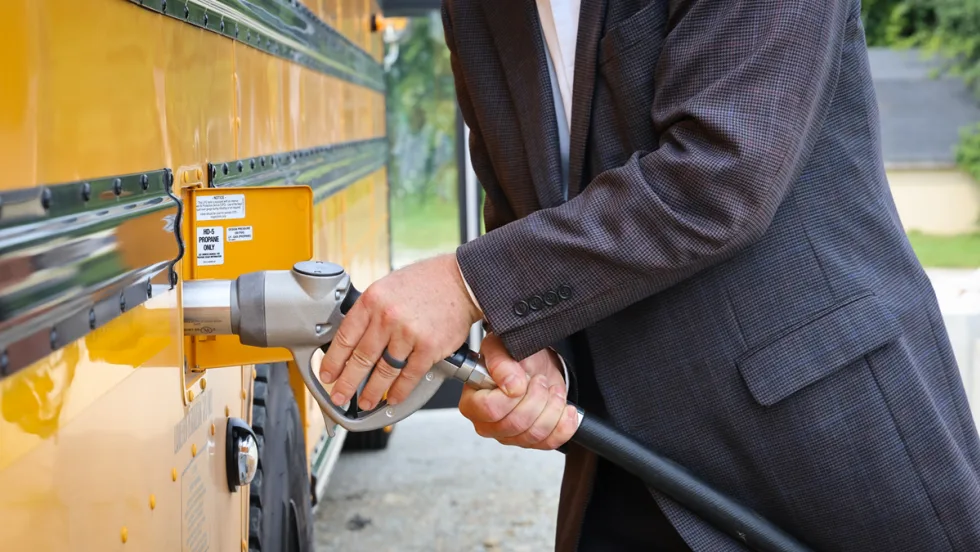
With Fuel Volatility Ahead, School Districts Turn to Propane
While diesel prices peaked above $5 this spring, districts with propane autogas-powered fleets paid under $2 per gallon, according to PERC.
Read More →
EPA Unveils Proposed Changes to 2027 Heavy-Duty Engine Rules
The federal agency has proposed changes to next year’s targets that would eliminate DEF derates, ease warranty requirements, and retain current NOx emissions standards.
Read More →
Alt-Fuel Moves: EV Charging & Infrastructure Projects Gain Momentum
The latest developments include new funding, charging infrastructure, utility investments, and fleet technologies designed to support the transition to electric school buses nationwide.
Read More →