





Don't Miss: With Patience and Tolerance, Occasional Chaos Can Be Rewarding
Effective Evacuation Plans for Special-Needs Students
Discover essential strategies for evacuating special-needs students from school buses. This comprehensive approach includes customized evacuation plans, effective staff training, regular emergency drills, and community engagement to enhance student safety.
January 22, 2024
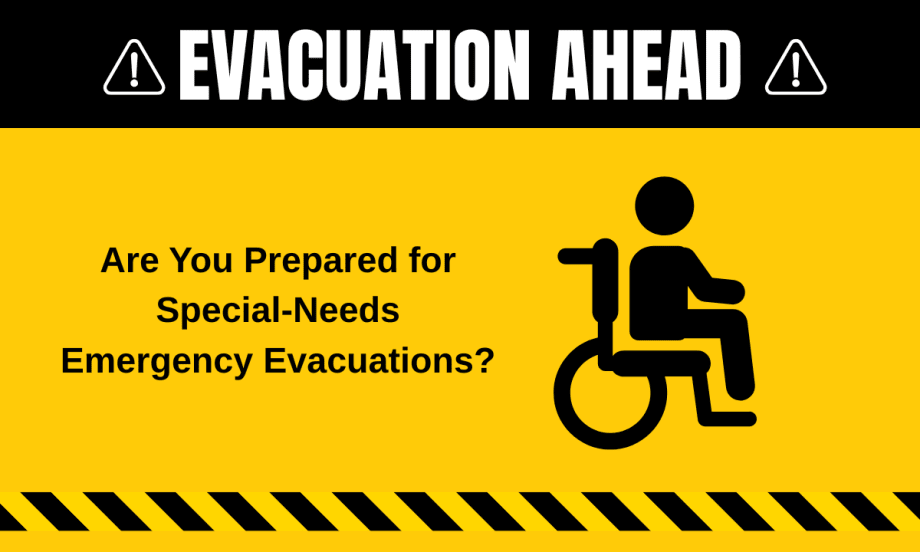
Careful planning can help ensure the safety of passengers with mobility challenges, sensory processing disorders, and other conditions.
Credit:
School Bus Fleet
6 min to read
- The article emphasizes the importance of creating customized school bus evacuation plans tailored to special-needs students.
- It highlights the necessity of effective staff training and regular emergency drills to ensure preparedness during evacuations.
- The content underscores the role of community engagement in enhancing the safety and efficiency of evacuating special-needs students.
*Summarized by AI
Can drivers on your district’s special-needs school bus tell where emergency exits are by seat count? Do they know a student’s seat number without checking a chart? In a smoke-filled bus, with limited visibility, drivers and attendants may need to feel their way through the bus.
During emergencies, the safety of every student aboard a school bus is critically important, and that holds true for special-needs students with mobility challenges, sensory processing disorders, or other conditions that merit careful consideration and planning to ensure their safety.
The objective of safe evacuation procedures is not only to comply with legal and ethical standards but also to foster an environment where every student, regardless of their physical or cognitive abilities, can feel secure in the knowledge that their school has a plan to protect them. By understanding and addressing the unique needs of these students, school transportation officials can ensure that evacuation processes are inclusive, efficient, and effective.
“In a real emergency, we generally don’t have time to think of a plan,” said Teena Mitchell, special-needs transportation coordinator for Greenville County Schools in South Carolina, president of the National Association for Pupil Transportation (NAPT), and a member of School Bus Fleet’s editorial advisory board. “We usually revert to what we know (our drills). Some districts elect not to include our most fragile students in drills for fear of harm or stressing students with disabilities. But in reality, our most fragile students need the most preparation. Drills allow us to make mistakes without dire consequences and give us the opportunity to correct or change our procedures to protect our students.”
Evacuation Priorities and Procedures for Special-Needs Students
Evacuating special-needs students from a school bus requires specific priorities and procedures to ensure their safety:
- Determine the urgency of evacuation: Assess the situation to determine if immediate evacuation is necessary. The speed of evacuation varies depending on the emergency's nature and urgency.
- Evacuating ambulatory students first: In a rapid evacuation scenario, it's often advisable to first evacuate students who can move independently. This helps clear the way for assisting non-ambulatory students safely and efficiently.
- Safe evacuation of non-ambulatory students: Use proper lifting techniques to evacuate non-ambulatory or partially ambulatory students. This may involve staff physically assisting students, ensuring their safe transfer off the bus.
- Know your bus lift. Know where the manual lift handle is located so you can manually lower (or float) your lift. You may have the ability to float one chair (heavy student) down the lift while you evacuate other students. It may be quicker than pulling a heavy student out of the chair. Also, if you have three students in wheelchairs and the opportunity to float only one, know which you would choose, if any. It is usually quicker to carry smaller students from the bus, while larger students may be floated on the lift or you may need to use an evacuation mat.
- Use of emergency equipment: Employ emergency evacuation equipment if available, like evacuation chairs or slides, to facilitate a smoother and safer process for students with mobility challenges.
- Designated assembly points: Once evacuated, students should gather at a predetermined safe location, such as near a tree or another identifiable object, where they can be accounted for and receive further instructions or assistance. Students with special needs may require constant supervision. Perhaps ask a bystander to stay with evacuated students while you continue to clear students off the bus.
- Communication and calmness: Maintain clear communication throughout the evacuation. Staff should be trained to keep a calm demeanor to help ease anxiety and confusion among students.
- Regular drills and training: Conduct regular emergency evacuation drills to ensure that staff and students are familiar with the evacuation process, especially catering to the needs of special-needs students. As a best practice, don’t pull fragile students from wheelchairs during drills. Instead, use an extra wheelchair with a suitable weighted “doll” to remove from the chair that the child would be removed in an actual emergency, while allowing the student to watch and become familiar with the process in case of a real emergency. In drills, transportation professionals don’t actually cut equipment, but equipment cutting should be simulated and seat-belt strap cutting should be simulated. Tip: Save damaged or expired equipment to use for training and practice cutting.
- Post-evacuation procedures: After evacuation, implement procedures for reunification with parents/guardians or transferring students to a safe location.
Cross-Training of Staff for Special-Needs Evacuations
Ensuring the safety of special-needs students during a school bus evacuation necessitates well-trained staff, proficient not only in their specific roles but also in the responsibilities of their colleagues.
- Understanding dual roles: School bus drivers and attendants should be trained in each other's roles. This includes knowledge of evacuation procedures, student-specific needs, and emergency response tactics.
- Emergency response skills: Staff should be adept in emergency medical response, basic first aid, and using evacuation equipment. This ensures a quick and efficient response in any situation.
- Communication and coordination: Training should emphasize effective communication and coordination among all staff members, which is crucial in an emergency. However, during an actual evacuation, the process should be done without talking. When a bus is filled with smoking, the act of talking could lead to smoke inhalation.
- Regular drills and scenario training: Implement regular drills that simulate various scenarios, including situations where either the driver or an attendant might be incapacitated, ensuring all staff members can effectively respond.
- Evaluation and feedback: Post-drill evaluations to provide feedback and identify areas for improvement in staff response and coordination. How many child safety restraint systems do you have on one bus? During your drills, can the driver and attendant successfully evacuate all students under two minutes?
By cross-training staff, school transportation services can create a more resilient and responsive team, ready to handle the complexities of evacuating special-needs students in various emergency scenarios.
Enhancing School Bus Safety for Special-Needs Students
The establishment and refinement of school bus evacuation procedures, especially for students with special needs, is an essential aspect of ensuring their safety.
The need for a standardized school bus evacuation time, as highlighted in recent studies, underscores the importance of this issue. Effective training and the development of comprehensive evacuation plans are crucial in preparing for emergencies and enhancing post-accident safety for all school bus passengers.
Special attention must be paid to medically fragile students and those with unique needs, ensuring that evacuation procedures are inclusive and cater to the diverse student population.
Ultimately, continuous improvement, regular training, and a collaborative approach involving educators, transportation staff, and the wider community are critical to creating a safe and responsive school transportation environment.
“Keep in mind that physical, sensory, cognitive, and behavioral issues must be considered and can complicate the evacuation if strategies are not put in place,” Mitchell says. “Precautions should be taken to ensure the safety of students while practicing drills. Utilize your resources during drills. It is helpful to have extra staff, your district physical therapist, and your behavioral specialist observe drills to offer advice and strategies. Take the time during your drills to work with your children and identify strategies that will work with the individual student.”
Quick Answers
An effective evacuation plan is customized to meet the diverse needs of special-needs students, involving tailored strategies and resources to ensure their safety during emergencies.
*Summarized by AI
Subscribe to Our Newsletter
More Special Needs Transportation
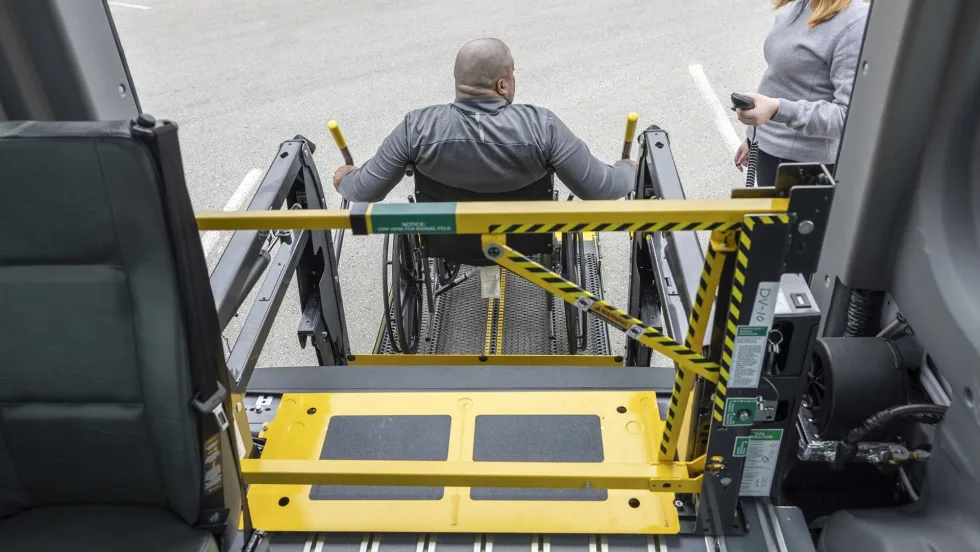
BraunAbility Introduces New Safety Barrier for Wheelchair Lifts
LiftSentinel is designed to add another layer of protection during wheelchair loading and unloading and can be retrofitted to many existing commercial lift installations.
Read More →
HopSkipDrive Launches New Safety, Driver Consistency Features for 2026-27 School Year
The company’s free ride recording, live ride tracking, and consistent driver assignments aim to improve safety and continuity for diverse student transportation needs.
Read More →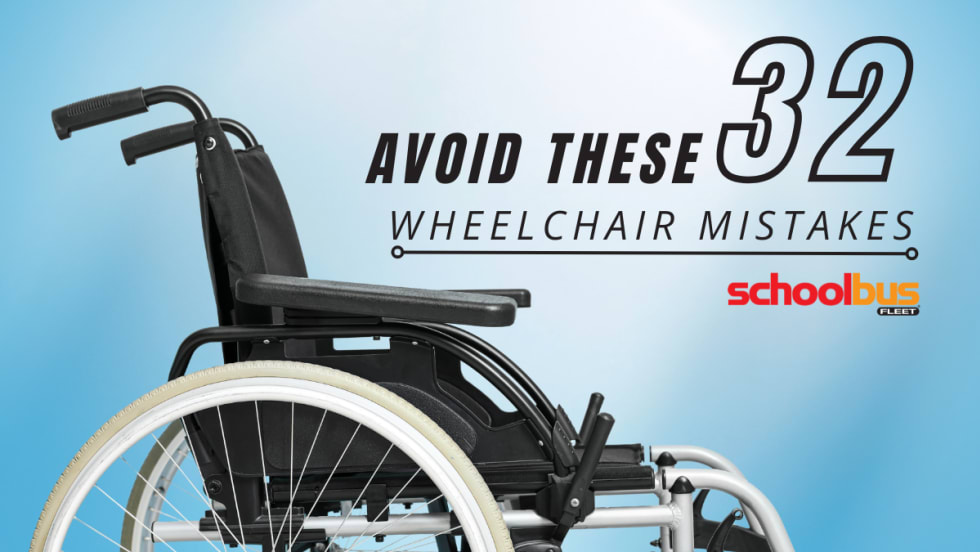
The Most Common Wheelchair Securement Mistakes on School Buses (and How to Fix Them)
Small missteps in wheelchair securement can have serious consequences. Here are 32 tips from experts to reduce risk and increase student safety on the bus.
Read More →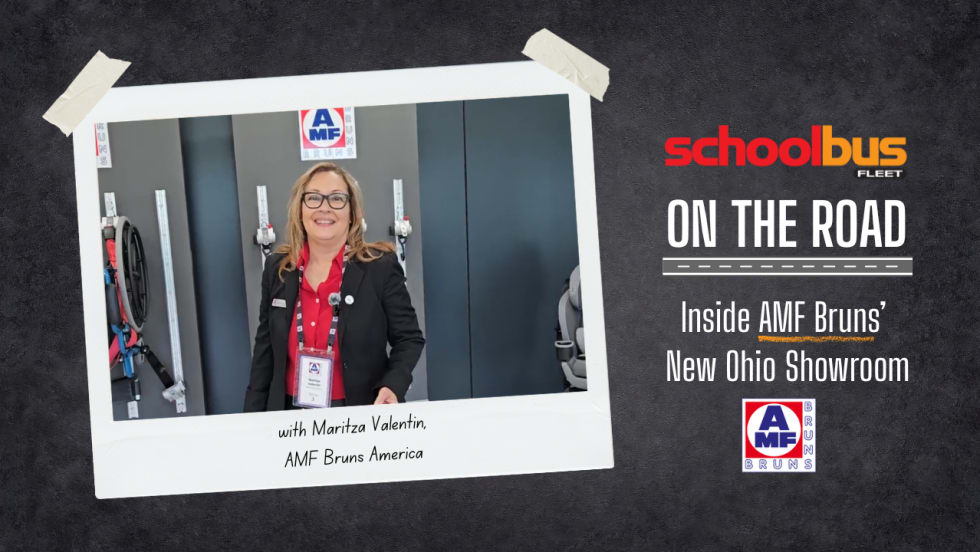
Inside AMF Bruns’ New Showroom: School Bus Securement Solutions Explained
Go inside AMF Bruns America’s new Ohio showroom with Maritza Valentin to see its FutureSafe technology, driver training tools, securement systems, and seating innovations.
Read More →
What AMF Bruns’ New Facility Means for Customers [Video]
Inside AMF Bruns’ new Stow, Ohio, operations: See how expanded space and innovation will enhance customer support and operations.
Read More →
AMF Bruns Expands in Ohio, Investing in Growth and Community
With expanded production space, local investment, and a growing workforce, AMF Bruns is scaling its U.S. presence. Here’s an exclusive first look inside the new Stow, Ohio, HQ.
Read More →
Inside AMF Bruns of America’s New Ohio Manufacturing Facility [Photos]
Take a behind-the-scenes look at AMF Bruns of America’s new 41,000-square-foot Stow, Ohio, headquarters, featuring advanced manufacturing, expanded space, and future-ready mobility solutions.
Read More →
First Student Boosts Student Support in Wichita & Texas
First Student and Wichita Public Schools are using behavioral support strategies to improve student ride experiences, while a separate initiative expands access to after-school programs through a bus donation.
Read More →
2026 Special-Needs Transportation Survey
What’s changing in special-needs transportation? This year, student transportation operators report a rising need, easing driver shortages, growing tech adoption, and evolving challenges. Sponsored by AMF Bruns of America.
Read More →
The Lived-Experience Gap in Mobility Tech: An Expert Take on Safe Student Transportation
Brianna Pauwee, a product application specialist at AMF Bruns of America and a wheelchair user, drops in to The Route to share practical securement and training insights, plus the story behind the new “Beyond Mobility” podcast. The Route is sponsored by IC Bus.
Read More →