




Driver Safety Devices Help Enforce Policies on the Road
From detecting alcohol use to locking mobile devices to limiting speed, here are some of the products available for boosting safe driver behavior.

From detecting alcohol use to locking mobile devices to limiting speed, here are some of the products available for boosting safe driver behavior.
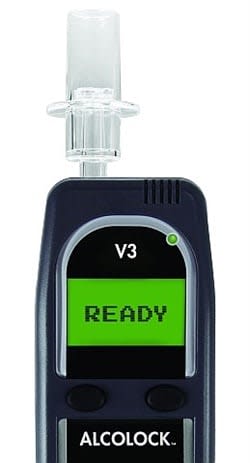
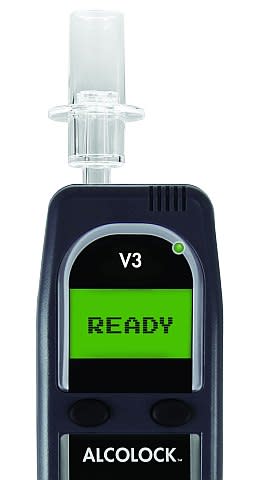
Breath Monitoring Device Can Lock Engine Upon Detecting Alcohol
School transportation providers can manage liability and help ensure safety with the ALCOLOCK V3 breath alcohol monitoring device. The driver must provide a successful breath sample before the engine will start. Testing information is recorded, tamper-proof, and can be stored, monitored, and accessed remotely. ALCOLOCK V3 is engineered to withstand vibration, dirt, dust, humidity, and extreme temperatures for year-round operation.
ALCOLOCK
www.alcolockusa.com
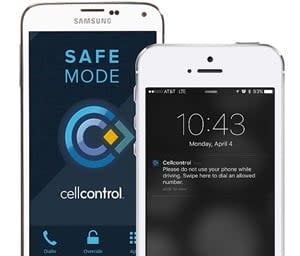
Cell Phone-Blocking Software Platform Made to Stop Distracted Driving
Cellcontrol’s distracted driving prevention platform, DrivePROTECT, stops mobile device distractions, including texts, phone calls, emails, social media, games, and web browsing, any time a vehicle is in motion. Emergency calls (i.e., 911) are always allowed through the platform, and fleet administrators can decide which mobile functions to allow in safe mode (e.g., allowing navigation apps while blocking texts and handheld calls). The system is enforceable, scalable, and works across all mobile device platforms, including Android, Blackberry, and Windows Mobile, and is an enforceable solution for the iPhone and iOS devices.
Cellcontrol
www.cellcontrol.com
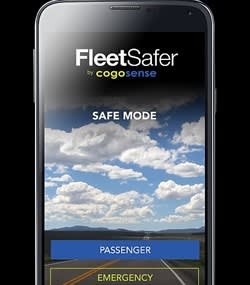
Software Designed to Lock Driver’s Mobile Devices
FleetSafer from Cogosense Technology is software for smartphones and tablets that automatically puts the device in “Safe Mode” while driving. In Safe Mode, a curtain screen blocks access to the keyboard and screen. All notifications and alerts are suppressed, including incoming calls, texts, and emails. FleetSafer is designed to keep employees and others safe on the road by eliminating distractions from smartphones while driving.
Cogosense Technology (formerly Aegis Mobility)
www.cogosense.com
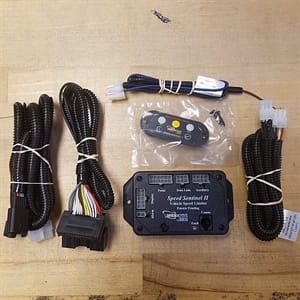
Speed Limiter Created to Enhance Safety, Fuel Economy
The road speed limiter is a field-programmable device that limits maximum vehicle speed, with up to two independent settings, but does not limit engine output. This can improve safety and fuel economy by preventing speeding. Maximum speeds can be set from 7 mph to 80 mph in single mph increments. Other features that can be activated are a passing mode, emergency response override, theft deterrent mode, and max speed in reverse.
Intermotive Vehicle Controls
www.intermotive.net
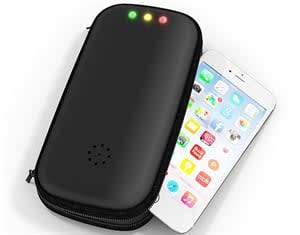
Case Offers Ability to Enforce Phone Policy
Shellback Smartphone Safes offer school bus fleet managers a cost-effective way to enforce phone policies and ensure their drivers are not distracted by their phone while driving. For a $20 upfront cost and a $10 per month monitoring fee, managers can use the Smartphone Safe to ensure that their drivers are not using a phone to talk, text, email, check social media, or watch videos while driving. Each safe can hold up to two phones and automatically sends an alert if the phone is taken out of it while the bus is driving.
The phone case has three lights that detail which mode the Smartphone Safe is in, which is designed to make it easy for fleet managers to visually verify that the phone is locked and out of sight as each driver leaves the bus yard.
Shellback
liveundistracted.com
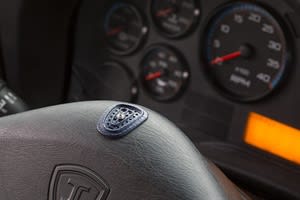
Sensor Pad Designed to Detect Alcohol Use in Seconds
Sober Steering is a touch-based ignition interlock sensor pad placed on the vehicle’s steering wheel that uses advanced biosensor technology to detect the presence of alcohol within five to seven seconds when a driver places a hand on the pad, according to the company. At that point, if the sensors detect alcohol exceeding a pre-set limit, the vehicle is immobilized and an instant message is sent to school transportation personnel.
Sober Steering’s biosensors analyze the gases emitted from the skin to diagnose the body’s condition.
Sober Steering
www.sobersteering.com
More Safety

How to Build a Better School Bus Driver Training Program
Is it time to strengthen your driver training? Here’s how to pick the right talent and improve recruitment, retention, and safety. This video is brought to you by IC Bus.
Read More →
Recent School Bus Accidents Leave 2 Dead, 2 Injured
Four school bus crashes in Florida, Illinois, and Georgia highlight risks in transportation lots, at bus stops, and during student loading and unloading.
Read More →
When Every Second Matters, Clarity Keeps Routes Moving
From routine delays to urgent incidents, strong communication practices help drivers, dispatchers, schools, and families respond with confidence.
Read More →

What Happens When a School Bus Catches Fire — and What Can Help
School bus fires are rare but can be devastating. Learn how advances in fire suppression and asset protection help fleets detect fires earlier, reduce damage, and improve safety.
Read More →
Geotab Launches Tool to Help Fleets Investigate Road Incidents
Geotab Investigations combines telematics data, video, documents, and other evidence to help fleets reconstruct incidents, resolve claims, and determine what happened.
Read More →
Texas Sixth Grader Wins 2026 National School Bus Safety Poster Contest
Sai Darshana Yekolu of Moseley Middle School in Prosper, Texas, was named the newest winner for her artwork, bringing the theme of “Safe Rides, Everyday Heroes” to life.
Read More →
Doing More With Less: How Transportation Directors Can Prioritize Safety Amid Budget Uncertainty
With diesel prices soaring and nearly one-third of transportation directors expecting budget cuts, maintaining student safety has never been more challenging. Download this guide to learn how leading districts are prioritizing risk, funding critical safety technology, and building stronger budget cases with data.
Read More →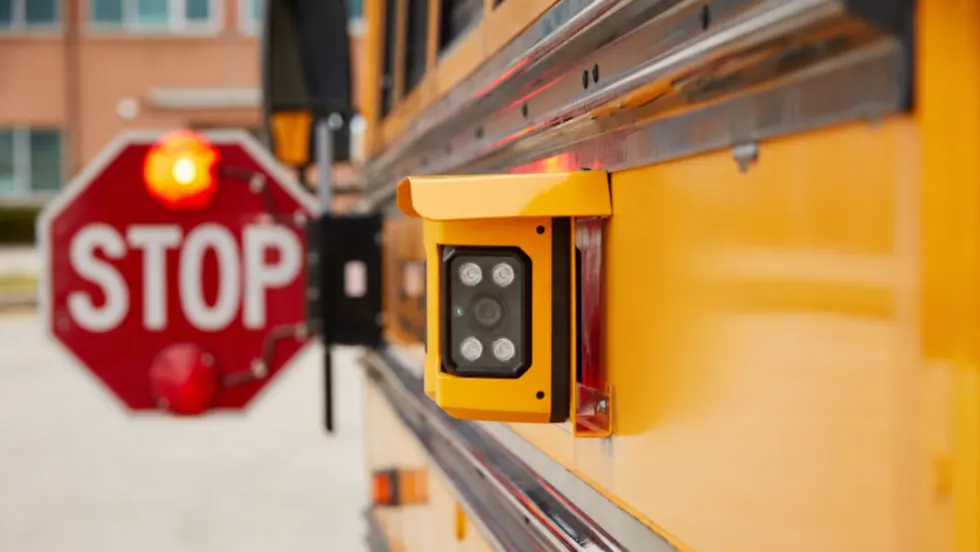
Walton County Schools Adds Gatekeeper Stop-Arm Enforcement System
The Florida district will deploy Gatekeeper’s updated Student Protector technology, which now incorporates AI to improve video evidence.
Read More →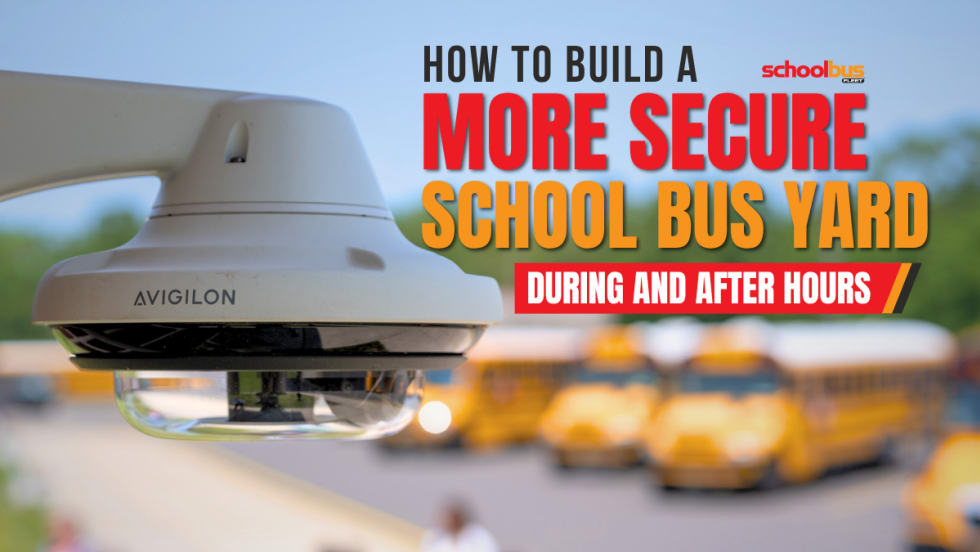
How To Build a More Secure School Bus Yard During and After Hours
As thefts and overnight security threats continue, school transportation leaders are combining stronger operational practices with AI-enabled surveillance to better protect buses, facilities, and staff.
Read More →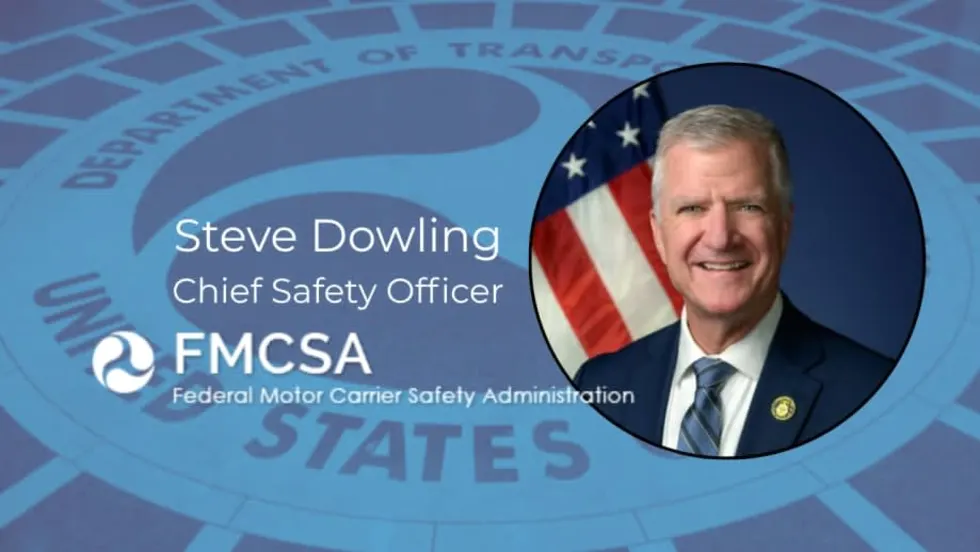
FMCSA Names New Chief Safety Officer: What School Bus Operators Should Know
Steve Dowling is set to lead the federal agency's efforts to advance commercial motor vehicle safety and reduce crashes, fatalities, and injuries on the nation's roadways.
Read More →