




Differing views on seat belt issue
If you’ve followed the debate on seat belts in school buses over the years, you won’t be surprised that my latest editorial on the topic drew dozens of responses.
In my April/May issue column (“Compartmentalization plus”), I argued that lap-shoulder belts can work together with compartmentalization to enhance the safety of school bus passengers.
If you’ve followed the industry’s debate on seat belts in school buses over the years, you won’t be surprised that my latest editorial on the topic drew dozens of responses from readers — many against my stance, some in favor.
I’ll share some highlights of those responses, but first I want to point out that I was remiss in my editorial in not noting the perspectives of two key industry groups: the National Association for Pupil Transportation (NAPT) and the National School Transportation Association (NSTA).
Those two associations collaborated on a response to recent National Transportation Safety Board (NTSB) recommendations. In their letter, NAPT and NSTA call for “a science-based rather than emotion-driven or ‘directionally correct’ conclusion to the question of whether safety belts would definitively improve school bus passenger crash protection.”
The associations maintain that the National Highway Traffic Safety Administration (NHTSA) should conduct comprehensive school bus crash testing to determine whether an upgrade to compartmentalization is needed. Also, NAPT and NSTA note discrepancies in statements that NHTSA and the NTSB have made on the topic of school bus seat belts.
“We cannot in good faith advise our members, or the public, on this issue until the significant and conflicting policy differences between the two federal safety agencies are resolved, hopefully with the added science of dynamic crash testing,” the associations say in their letter to NTSB, which is available at www.naptonline.org and www.yellowbuses.org.
Now, here is a sampling of replies to my “Compartmentalization plus” editorial. Go to Schoolbusfleet.com/BeltViews to read the full array of opinions and add your own.
• “It really is an issue of either compartmentalization or lap-shoulder belts. … Once you go the route of lap-shoulder, you are no longer able to rely on compartmentalization. The seats are more rigid and do not provide the same ‘cushioning’ benefit that non-seat belt seats provide.”
• “I have experienced a bus fuel leak evacuation with approximately 30 students. … I can only imagine the increased chaos we would have experienced if everyone was trying to get out of a lap-shoulder belt.”
• “I believe lap-shoulder belts could definitely enhance safety and, if used properly, could improve student behavior. I also believe the concerns … have merit. In an emergency, evacuating a bus would become much more difficult and time consuming. … [The] pros and cons need to be thoroughly studied.”
• “I am in full support of lap-shoulder belts. It does not matter if everyone uses them, but I’d like my grandsons to be able to make the choice of having the extra protection. That said, our industry is not killing kids inside the bus, but rather stats show kids and adults are more prone to being seriously injured or killed outside the bus. … Let’s concentrate on educating everyone about the dangers outside the bus.”
More Safety

How to Build a Better School Bus Driver Training Program
Is it time to strengthen your driver training? Here’s how to pick the right talent and improve recruitment, retention, and safety. This video is brought to you by IC Bus.
Read More →
Recent School Bus Accidents Leave 2 Dead, 2 Injured
Four school bus crashes in Florida, Illinois, and Georgia highlight risks in transportation lots, at bus stops, and during student loading and unloading.
Read More →
When Every Second Matters, Clarity Keeps Routes Moving
From routine delays to urgent incidents, strong communication practices help drivers, dispatchers, schools, and families respond with confidence.
Read More →

What Happens When a School Bus Catches Fire — and What Can Help
School bus fires are rare but can be devastating. Learn how advances in fire suppression and asset protection help fleets detect fires earlier, reduce damage, and improve safety.
Read More →
Geotab Launches Tool to Help Fleets Investigate Road Incidents
Geotab Investigations combines telematics data, video, documents, and other evidence to help fleets reconstruct incidents, resolve claims, and determine what happened.
Read More →
Texas Sixth Grader Wins 2026 National School Bus Safety Poster Contest
Sai Darshana Yekolu of Moseley Middle School in Prosper, Texas, was named the newest winner for her artwork, bringing the theme of “Safe Rides, Everyday Heroes” to life.
Read More →
Doing More With Less: How Transportation Directors Can Prioritize Safety Amid Budget Uncertainty
With diesel prices soaring and nearly one-third of transportation directors expecting budget cuts, maintaining student safety has never been more challenging. Download this guide to learn how leading districts are prioritizing risk, funding critical safety technology, and building stronger budget cases with data.
Read More →
Walton County Schools Adds Gatekeeper Stop-Arm Enforcement System
The Florida district will deploy Gatekeeper’s updated Student Protector technology, which now incorporates AI to improve video evidence.
Read More →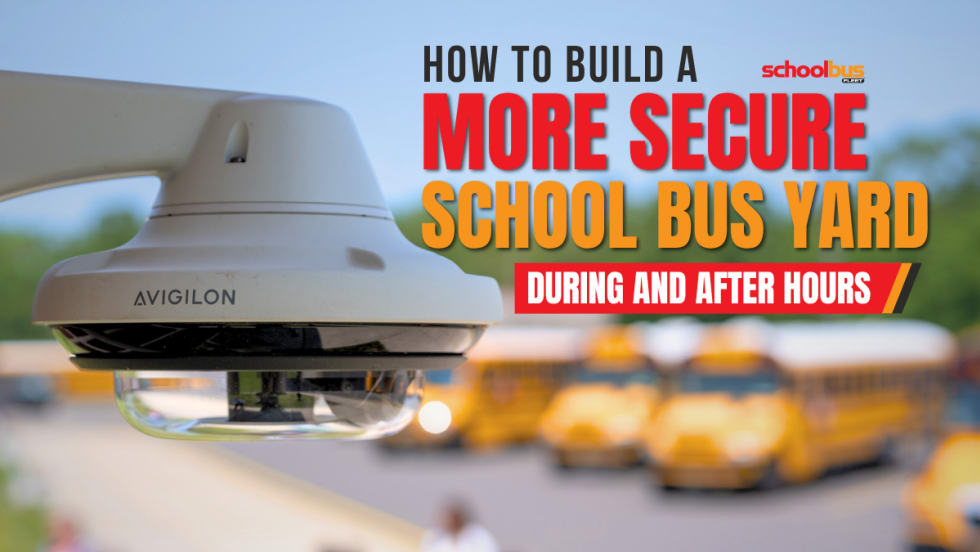
How To Build a More Secure School Bus Yard During and After Hours
As thefts and overnight security threats continue, school transportation leaders are combining stronger operational practices with AI-enabled surveillance to better protect buses, facilities, and staff.
Read More →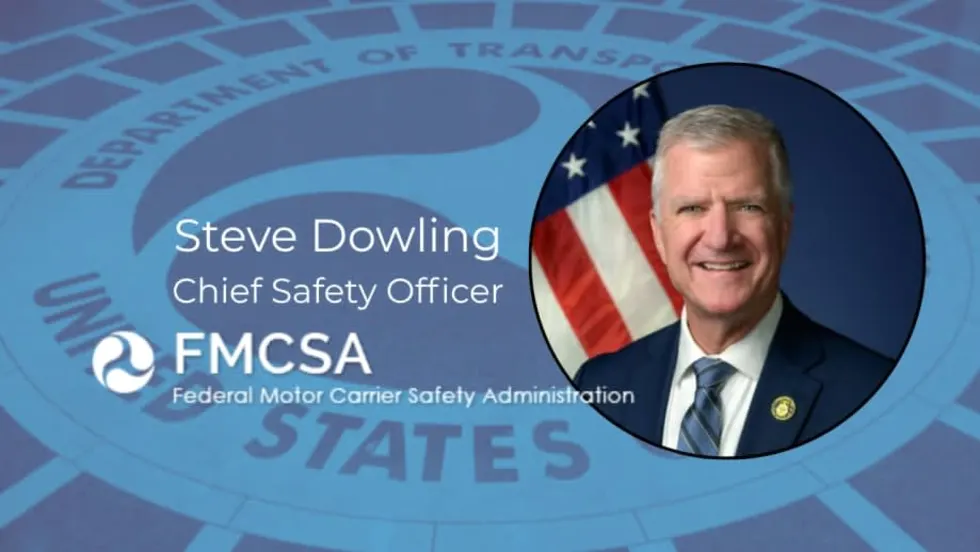
FMCSA Names New Chief Safety Officer: What School Bus Operators Should Know
Steve Dowling is set to lead the federal agency's efforts to advance commercial motor vehicle safety and reduce crashes, fatalities, and injuries on the nation's roadways.
Read More →