




Congressmen urge action on school bus security measure
WASHINGTON, D.C. — Members of a congressional security committee expressed concern to the Department of Homeland Security (DHS) about its lack of prog...

WASHINGTON, D.C. — Members of a congressional security committee expressed concern to the Department of Homeland Security (DHS) about its lack of progress on a measure to improve safety for school bus passengers.
The measure, part of the HR 1 act signed by President Bush in August, directs the DHS secretary to submit a pupil transportation security report to Congress within a year of enactment.
Congressmen Bennie Thompson and Bob Etheridge, both of the House Committee on Homeland Security, sent a letter in January to Edmund “Kip” Hawley, the assistant secretary of homeland security for the Transportation Security Administration (TSA), asking how and when the department plans to conduct the school transportation threat assessment.
Etheridge worked to include the measure in HR 1 based on a suggestion from Derek Graham, North Carolina’s state pupil transportation director.
The National School Transportation Association was also instrumental in the measure’s inclusion. The contractor group said in a recent newsletter that it had been pressing TSA to respond appropriately and had expressed its frustration to Etheridge. Graham had also contacted Etheridge, who responded quickly.
“I am very concerned that after six months, it appears that the Department of Homeland Security has not begun to take action on my measure to improve the safety of millions of children,” Etheridge said. “DHS must detail how it expects to conduct a thorough assessment of our nation’s school bus safety in the six months remaining until its report is due to Congress.”
In a telephone conference with members of the pupil transportation industry in December, TSA officials acknowledged the lack of progress on the threat assessment and said that Congress had yet to provide funding for it.
In Etheridge and Thompson’s letter to Hawley, they noted that TSA had requested $500,000 to conduct the assessment. The congressmen asked why the administration had not asked for more funding when, by some estimates, a complete risk analysis of the school bus industry could cost as much as $4 million.
In 2003, the Volpe Center conducted a vulnerability assessment of the motorcoach industry at the request of the Federal Motor Carrier Safety Administration. Volpe, a federal organization that provides transportation and logistics expertise, identified risks and the availability and cost of countermeasures.
Pupil transportation officials have said that they expected the HR 1 measure to yield a study similar to the Volpe motorcoach assessment. TSA officials have said that the Volpe assessment could be used as a guide.
As directed by the HR 1 measure, the school bus assessment would cover security risks to both public and private school bus operations. It would assess steps already taken by the industry to address security risks and would determine whether further actions and investments were necessary.
More Safety

How to Build a Better School Bus Driver Training Program
Is it time to strengthen your driver training? Here’s how to pick the right talent and improve recruitment, retention, and safety. This video is brought to you by IC Bus.
Read More →
Recent School Bus Accidents Leave 2 Dead, 2 Injured
Four school bus crashes in Florida, Illinois, and Georgia highlight risks in transportation lots, at bus stops, and during student loading and unloading.
Read More →
When Every Second Matters, Clarity Keeps Routes Moving
From routine delays to urgent incidents, strong communication practices help drivers, dispatchers, schools, and families respond with confidence.
Read More →

What Happens When a School Bus Catches Fire — and What Can Help
School bus fires are rare but can be devastating. Learn how advances in fire suppression and asset protection help fleets detect fires earlier, reduce damage, and improve safety.
Read More →
Geotab Launches Tool to Help Fleets Investigate Road Incidents
Geotab Investigations combines telematics data, video, documents, and other evidence to help fleets reconstruct incidents, resolve claims, and determine what happened.
Read More →
Texas Sixth Grader Wins 2026 National School Bus Safety Poster Contest
Sai Darshana Yekolu of Moseley Middle School in Prosper, Texas, was named the newest winner for her artwork, bringing the theme of “Safe Rides, Everyday Heroes” to life.
Read More →
Doing More With Less: How Transportation Directors Can Prioritize Safety Amid Budget Uncertainty
With diesel prices soaring and nearly one-third of transportation directors expecting budget cuts, maintaining student safety has never been more challenging. Download this guide to learn how leading districts are prioritizing risk, funding critical safety technology, and building stronger budget cases with data.
Read More →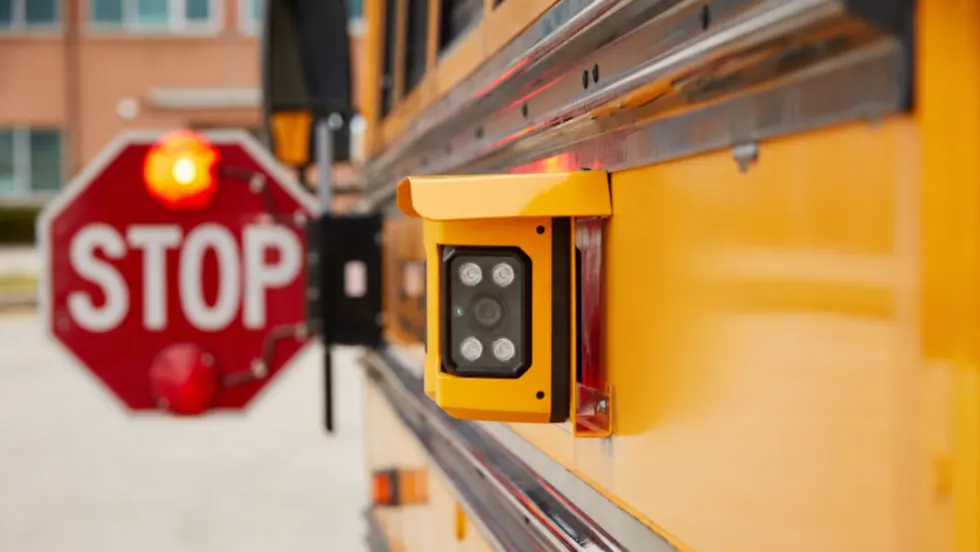
Walton County Schools Adds Gatekeeper Stop-Arm Enforcement System
The Florida district will deploy Gatekeeper’s updated Student Protector technology, which now incorporates AI to improve video evidence.
Read More →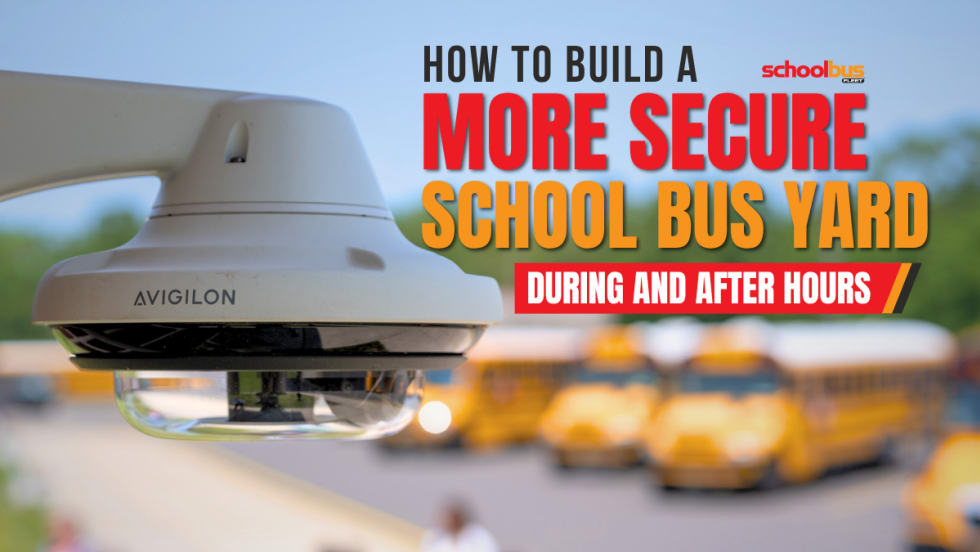
How To Build a More Secure School Bus Yard During and After Hours
As thefts and overnight security threats continue, school transportation leaders are combining stronger operational practices with AI-enabled surveillance to better protect buses, facilities, and staff.
Read More →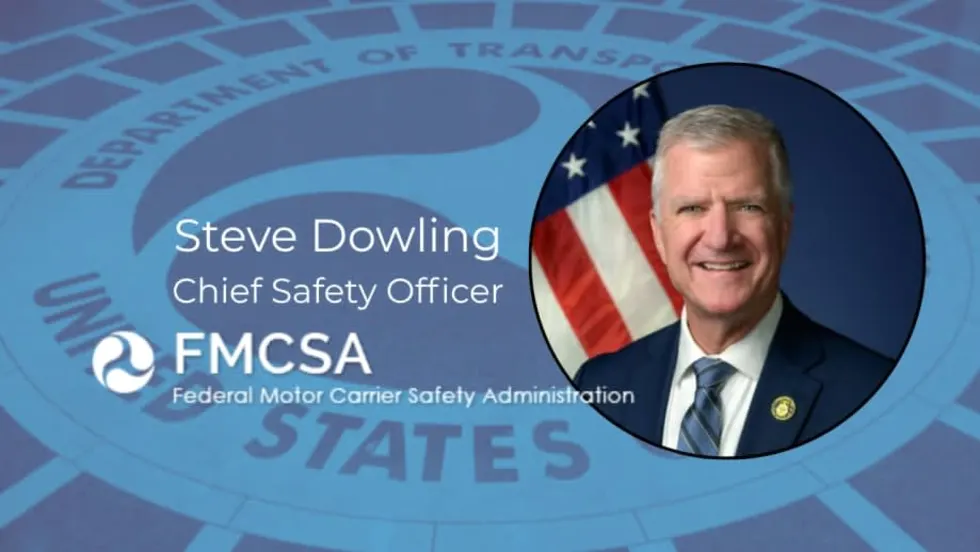
FMCSA Names New Chief Safety Officer: What School Bus Operators Should Know
Steve Dowling is set to lead the federal agency's efforts to advance commercial motor vehicle safety and reduce crashes, fatalities, and injuries on the nation's roadways.
Read More →