




Conference explores alternative fuels
LAS VEGAS — The Alternative Fuel Vehicle Institute announced details for its 2008 Alternative Fuels & Vehicles National Conference and Expo. The ...

LAS VEGAS — The Alternative Fuel Vehicle Institute announced details for its 2008 Alternative Fuels & Vehicles National Conference and Expo.
The conference will be held May 11-14 in Las Vegas and is designed to provide technology and fuel product information from over 125 exhibitors to fleets, policymakers and advocates for clean transportation.
It will also offer concurrent sessions to complement the conference’s general session proceedings and keynote presentations by Amy Myers Jaffe, head of the Baker Institute Energy Forum; Bobby Rahal, race car icon; and T. Boone Pickens, billionaire entrepreneur and chief of BP Capital.
The session lineup is organized around the categories of electric drive, fuels and fueling, money, policy and vehicles. Topics will include:
Creative Outlets: Growing the Market for Plug-In Hybrids
Changing Gears: The Medium- and Heavy-Duty Hybrid Promise
An Ounce of Prevention: How to Select the Right Alternative Fuels for Your Fleet
Hindsight Is 20/20: Drivers and Mechanics Share Lessons Learned
It’s a Gas: Running Your Fleet on Propane
Ready, Set, Grow: How to Incorporate Biodiesel Into Your Fleet Today
Fed Fever: Using Federal Incentives to Drive Your Fleet
Prophetic Profits: Early Adopters Show How Green Begets Gold
Hydrogen Cells: Paving the Way for the Hydrogen Highway
The Right Fit: A Toolkit of After-Market Solutions for Heavy-Duty Vehicles
To view the full list of sessions, and for more information, visit www.afvi.org/NationalConference2008.
More Alternative Fuels

EPA Opens $180M DERA Funding Round for Diesel Upgrades
The 2026 Diesel Emissions Reduction Act program seeks applications from eligible organizations to accelerate the retirement of legacy diesel vehicles.
Read More →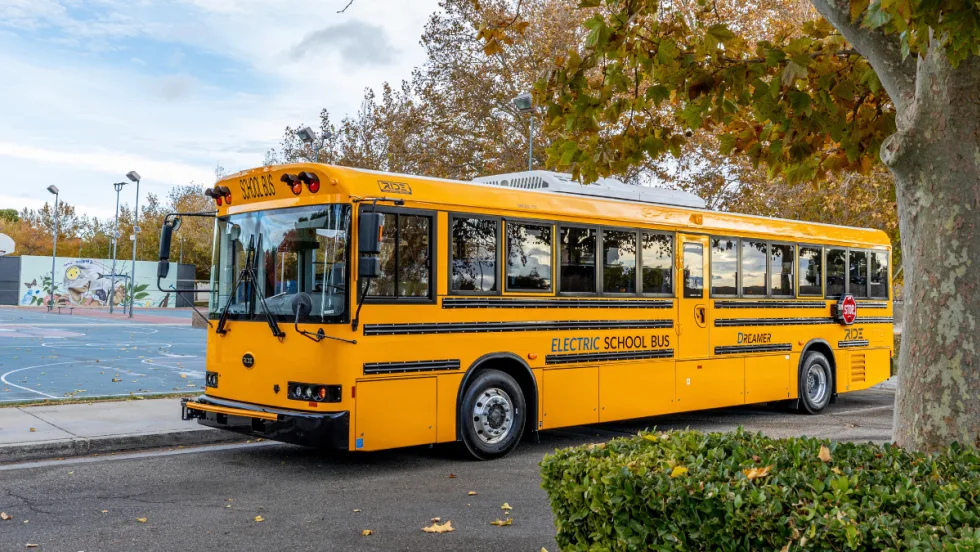
The Secret Life of an Electric School Bus Battery
Batteries change throughout years of daily routes, but degradation doesn’t necessarily mean the end. Here’s what operators should know about performance, safety, and second life.
Read More →
CALSTART and Forth Combine to Form Catalyst Mobility
The new name represents a renewed vision for the nonprofit focused on advancing clean, equitable, and affordable transportation solutions that move people and goods.
Read More →
Alt-Fuel Moves: New Buses, Charging Hubs & Real-World EV Testing
Propane and electric school bus deployments continue to grow as districts add new vehicles, expand charging infrastructure, and gather more real-world operating data.
Read More →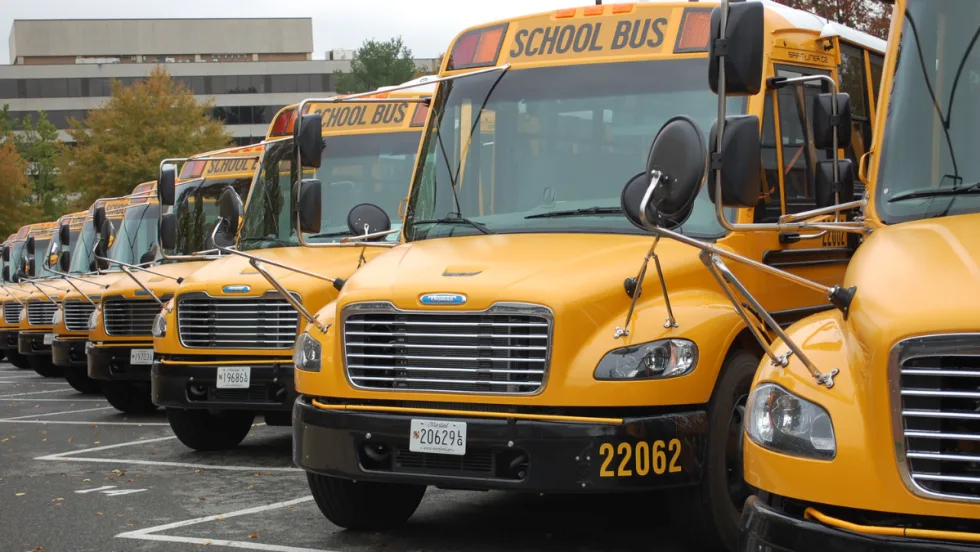
Fewer Electric School Bus Models Reshape the U.S. Market
WRI’s latest buyer’s guide points to a consolidating electric school bus market, but fewer options may reflect a maturing industry rather than fewer meaningful choices for school bus operators.
Read More →
The Fuel Budget You Can Actually Predict: How Propane Autogas Keeps Money in the Classroom
Learn how propane autogas helps school districts manage fuel costs with predictable pricing, lower maintenance, and reduced emissions from former transportation director Joel Stutheit.
Read More →
Hendrickson, Driventic Introduce New Electric Powertrain for School Buses
ELECTRAAX, the electrified, lightweight drive axle offers integrated ePowertrain efficiency and modular flexibility for Class 6–7 school bus use.
Read More →
The Mobility House Joins PowerFlex in Fleet Electrification Deal
The acquisition combines intelligent charging software, bidirectional charging expertise, and fleet electrification services to support the growing adoption of electric school buses across North America.
Read More →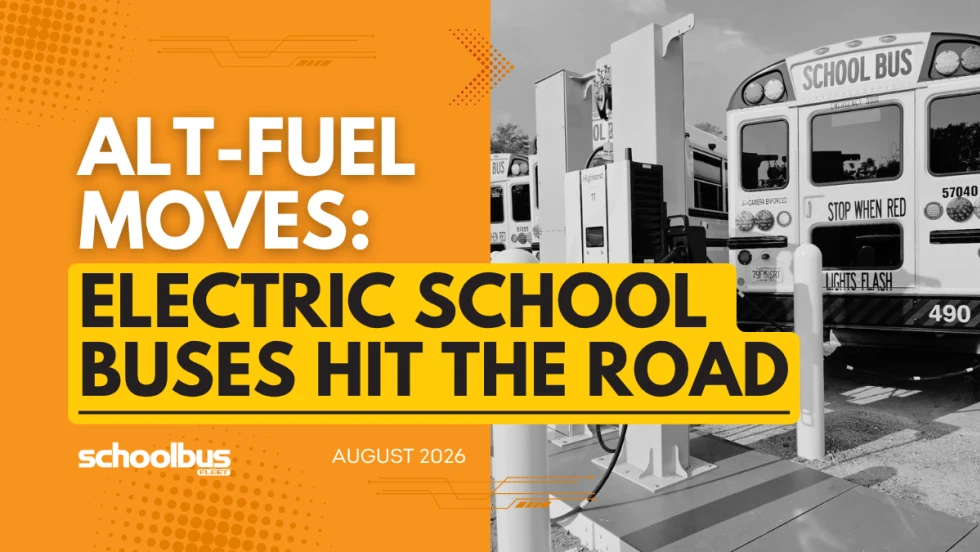
Alt-Fuel Moves: Electric School Bus Investments Hit the Road
See which districts across the U.S. are putting electric school buses into service, expanding charging infrastructure, and planning the next phase of fleet electrification.
Read More →
With Fuel Volatility Ahead, School Districts Turn to Propane
While diesel prices peaked above $5 this spring, districts with propane autogas-powered fleets paid under $2 per gallon, according to PERC.
Read More →