




Cell phones and texting: blessing or curse?
The headline above is also one of the hottest questions inside the Washington, D.C., beltway right now. As with all things, the answer depends on whom you ask and in what context.

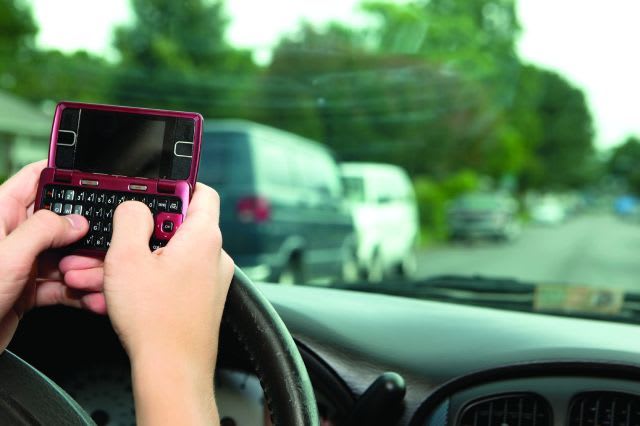
The headline above is also one of the hottest questions inside the Washington, D.C., beltway right now. As with all things, the answer depends on whom you ask and in what context.
Without doubt, this electronic technology has given us unprecedented freedom and convenience. Few among us have opted not to have a cell phone. Text messaging, while not quite as widespread, is gaining ground all the time.
But concern about the safety consequences of using this technology while driving is center stage again in Washington. In fact, the U.S. Department of Transportation (DOT) planned to hold a summit meeting in September to let officials sound off on the issue.
Concern about distraction while driving is not a new subject. It’s been studied extensively over roughly the last decade as the use of mobile technology has exploded. Most safety experts acknowledge that anything that distracts from the singular focus needed to drive a vehicle safely is, obviously, not a good thing. But as mobile technology proliferates in our culture, we are faced with a real dilemma: How do we balance our desire to keep up with the demands of modern life with the potential safety consequences?
Studies by the National Highway Traffi c Safety Administration (NHTSA) and others document a long list of other concerns: eating, conversations with other passengers, putting on makeup, reading, music, navigation systems and more. Merely waking up in a bad mood or having a big decision pending in your life also can impair driving skill.
Different people have different abilities when it comes to multi-tasking. As we’ve all seen in our own lives, there are some who can handle these distractions with relatively small impairment to their driving abilities, while others become outright dangerous on the road with even slight distraction. So, the public policy question becomes where to draw the line. A few states already have banned texting and/or use of a cell phone while driving. Some allow only hands-free use of cell phones, although some studies claim that even hands-free usage is dangerous (complicating the political desire to find a good compromise).
In the months ahead, we will learn where the folks at DOT think the line should be drawn, and whether it ultimately becomes a federal issue (less likely) or a matter for states to decide with a strong nudge from DOT (more likely).
There probably will be strong agreement that texting while driving cannot be defended under any circumstances. So, the battle is likely to be about whether cell phone usage is such a safety concern that all states should ban it (or limit it to hands-free usage).
It will be a hugely political issue in that individual consumers have strong views pro and con, and there are many economic factors at stake as well. Look for members of Congress to weigh in with opinions. Special interest groups of all stripes will be coming out of the woodwork seeking to opine, too.
If DOT ultimately decides that cell phones/texting while driving are akin to drunken driving, as some will argue, then states could be “told” to pass laws against it and threatened with sanctions (loss of federal highway funding, for example) if they do not do so in a timely fashion.
The matter came to a head when it was discovered from Freedom of Information queries that during the Bush administration, evidence surfaced from studies by Virginia Tech and other organizations that texting and cell phone use while driving are dangerous and that NHTSA and DOT refused to act on the information for fear of public backlash. There have been countless news stories about this in recent weeks, embarrassing NHTSA and DOT.
The Obama administration, faced with media questions about what it would do in response, decided to do what Washington does best: hold a meeting. So in early August, Transportation Secretary Ray LaHood announced the summit meeting on distracted driving.
Where this will all lead remains to be seen, but we suspect that nothing short of a definitive decision to guide state laws would be enough to appease cell phone critics. But then, there’s always the politics of it all. Cell phone proponents are not without their own advocates and studies. So, DOT very much has a hot potato in its hands.
Coming close to prejudging the matter even before the summit meeting of interested parties is held, Secretary La- Hood has not been shy about sharing his personal view, saying that if he could he would ban texting while driving and, in the same breath, pretty much saying the same thing about cell phones.
These comments will set the tone for the meeting but will also serve to draw the battle lines.
This will be an interesting topic for the school bus community to watch both professionally and personally. The idea to hold a meeting is a good one in that a long-simmering issue will finally get a definitive hearing.
More Safety

How to Build a Better School Bus Driver Training Program
Is it time to strengthen your driver training? Here’s how to pick the right talent and improve recruitment, retention, and safety. This video is brought to you by IC Bus.
Read More →
Recent School Bus Accidents Leave 2 Dead, 2 Injured
Four school bus crashes in Florida, Illinois, and Georgia highlight risks in transportation lots, at bus stops, and during student loading and unloading.
Read More →
When Every Second Matters, Clarity Keeps Routes Moving
From routine delays to urgent incidents, strong communication practices help drivers, dispatchers, schools, and families respond with confidence.
Read More →

What Happens When a School Bus Catches Fire — and What Can Help
School bus fires are rare but can be devastating. Learn how advances in fire suppression and asset protection help fleets detect fires earlier, reduce damage, and improve safety.
Read More →
Geotab Launches Tool to Help Fleets Investigate Road Incidents
Geotab Investigations combines telematics data, video, documents, and other evidence to help fleets reconstruct incidents, resolve claims, and determine what happened.
Read More →
Texas Sixth Grader Wins 2026 National School Bus Safety Poster Contest
Sai Darshana Yekolu of Moseley Middle School in Prosper, Texas, was named the newest winner for her artwork, bringing the theme of “Safe Rides, Everyday Heroes” to life.
Read More →
Doing More With Less: How Transportation Directors Can Prioritize Safety Amid Budget Uncertainty
With diesel prices soaring and nearly one-third of transportation directors expecting budget cuts, maintaining student safety has never been more challenging. Download this guide to learn how leading districts are prioritizing risk, funding critical safety technology, and building stronger budget cases with data.
Read More →
Walton County Schools Adds Gatekeeper Stop-Arm Enforcement System
The Florida district will deploy Gatekeeper’s updated Student Protector technology, which now incorporates AI to improve video evidence.
Read More →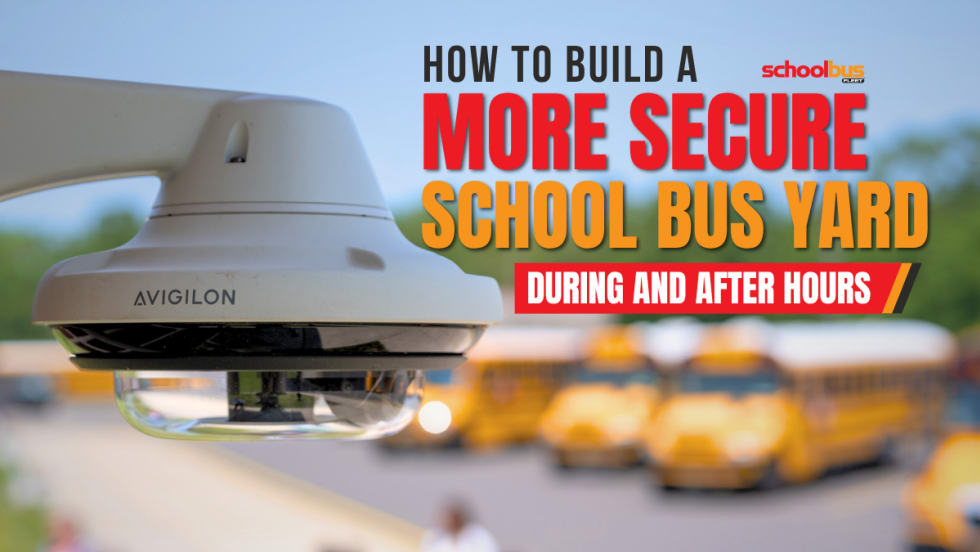
How To Build a More Secure School Bus Yard During and After Hours
As thefts and overnight security threats continue, school transportation leaders are combining stronger operational practices with AI-enabled surveillance to better protect buses, facilities, and staff.
Read More →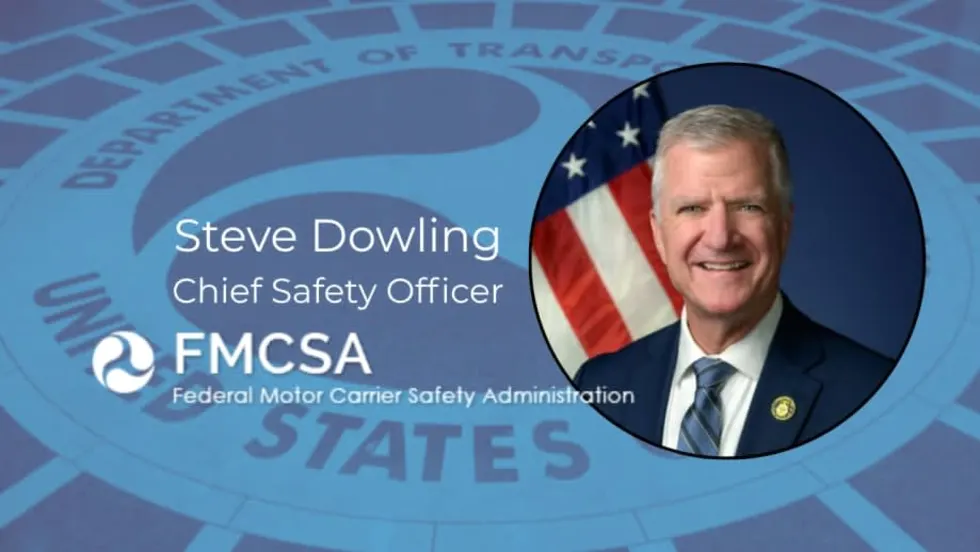
FMCSA Names New Chief Safety Officer: What School Bus Operators Should Know
Steve Dowling is set to lead the federal agency's efforts to advance commercial motor vehicle safety and reduce crashes, fatalities, and injuries on the nation's roadways.
Read More →