




Bush adds $60 million to Clean School Bus USA
PITTSBURGH — The Bush administration said it will commit an additional $60 million in the 2005 federal budget to Clean School Bus USA, a program for r...

PITTSBURGH — The Bush administration said it will commit an additional $60 million in the 2005 federal budget to Clean School Bus USA, a program for replacing and retrofitting older school buses to reduce emissions.
Environmental Protection Agency (EPA) Administrator Mike Leavitt announced on Jan. 30 the plans to boost Clean School Bus USA, which began last year with a budget of $5 million. Leavitt said that with a budget of $65 million, the EPA will be able to expand the number of participating school districts across the country from 17 to about 220.
Leavitt made the announcement at an elementary school in the North Allegheny School District, which was one of the first participants in the program. In October, the district received a $125,000 grant from the EPA to retrofit its fleet of 100 school buses with emissions-controlling catalysts.
“This funding demonstrates the president’s commitment to protecting children’s health and cleaning America’s air,” said Leavitt. “It’s a big increase because, as we see here, this program works.”
Clean School Bus USA provides grants for replacing older buses with newer ones or retrofitting them with emissions-reducing devices such as diesel oxidation catalysts, which use a chemical process to break down pollutants in exhaust. According to the EPA, the catalysts can reduce particulate matter by at least 20 percent, carbon monoxide by 40 percent and hydrocarbons by 50 percent.
The program’s initial goal was to upgrade the nation’s entire school bus fleet of approximately 444,000 vehicles by 2010.
For more information, visit www.epa.gov/cleanschoolbus.
In a related matter, the National School Transportation Association (NSTA) has extended the deadline for applications for its Clean School Bus subgrant program, which is tied to the initial $5 million funding allocation from the EPA.
“Many members were unable to work with the local school district partners during the holidays to put together an application in time to meet the deadline,” said Jeff Kulick, the NSTA’s executive director.
The new deadline is March 31, 2004.
Kulick said another hurdle for NSTA members has been a lack of familiarity with the application process and the required federal forms. “In order to encourage private-sector participation, EPA has given us permission to simplify the process for members,” he said.
The revised application announcement is available at the NSTA’s Website at www.yellowbuses.org.
More Alternative Fuels
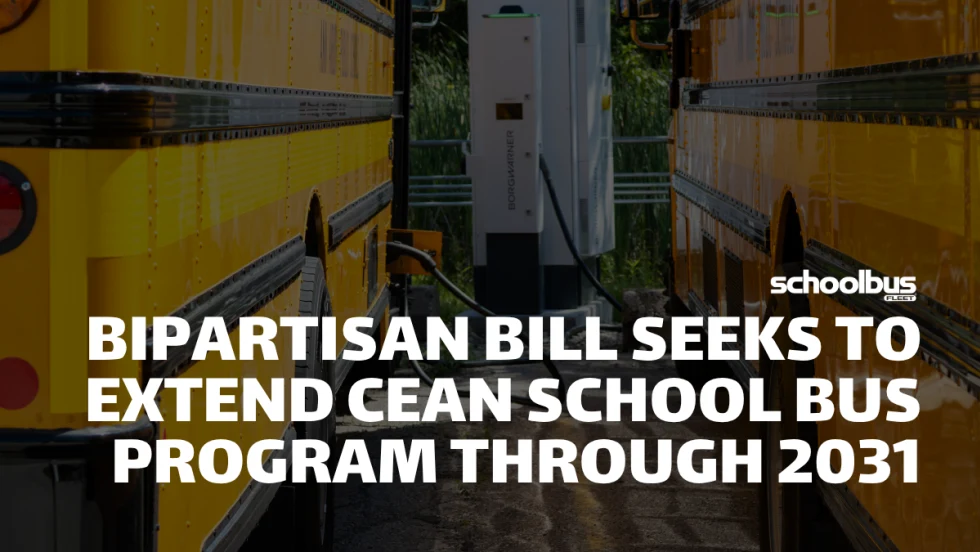
Bipartisan Bill Seeks to Extend Clean School Bus Program Through 2031
The proposed legislation would renew federal support for cleaner school buses as districts navigate funding uncertainty, rising fuel and infrastructure costs, and fleet replacement needs.
Read More →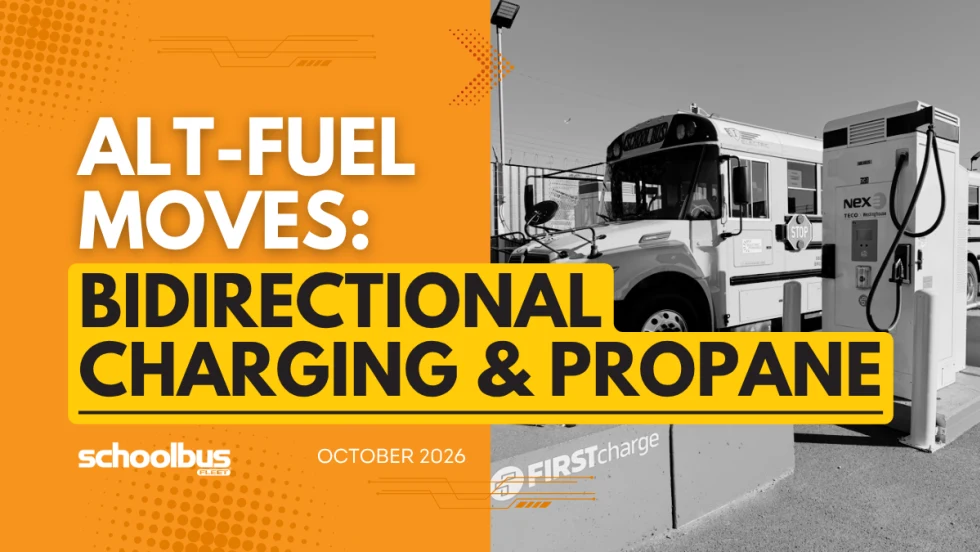
Alt-Fuel Moves: Electric Bus Rollouts, Bidirectional Charging & Propane Growth
See which fleets are adding electric and propane school buses as districts and operators invest in charging infrastructure, bidirectional technology, and alternative-fuel expansion.
Read More →
Nobody Told Diesel Prices They Were Supposed to Come Down
With diesel prices surging, school bus fleets have new reason to stress-test fuel costs, consider diversification, and calculate what each route really costs to operate.
Read More →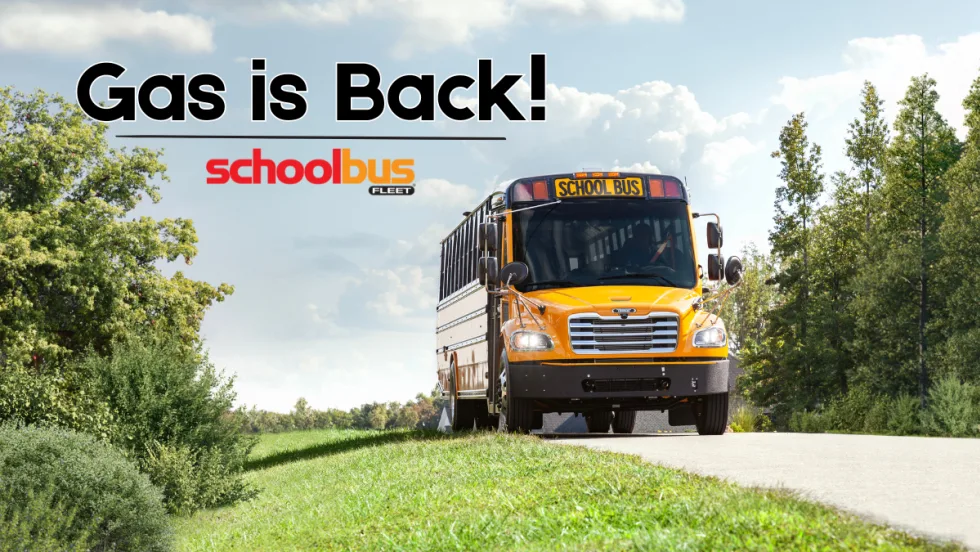
Why Gasoline School Buses Are Making a Comeback
Gasoline is gaining ground in full-size school buses. See how today’s options stack up against diesel on cost, maintenance, emissions, performance, and more.
Read More →
EPA Opens $180M DERA Funding Round for Diesel Upgrades
The 2026 Diesel Emissions Reduction Act program seeks applications from eligible organizations to accelerate the retirement of legacy diesel vehicles.
Read More →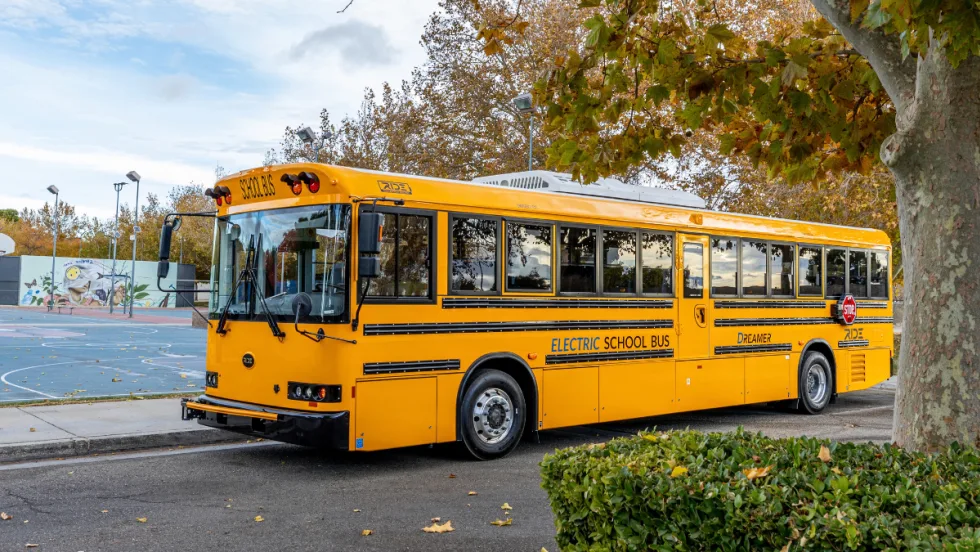
The Secret Life of an Electric School Bus Battery
Batteries change throughout years of daily routes, but degradation doesn’t necessarily mean the end. Here’s what operators should know about performance, safety, and second life.
Read More →
CALSTART and Forth Combine to Form Catalyst Mobility
The new name represents a renewed vision for the nonprofit focused on advancing clean, equitable, and affordable transportation solutions that move people and goods.
Read More →
Alt-Fuel Moves: New Buses, Charging Hubs & Real-World EV Testing
Propane and electric school bus deployments continue to grow as districts add new vehicles, expand charging infrastructure, and gather more real-world operating data.
Read More →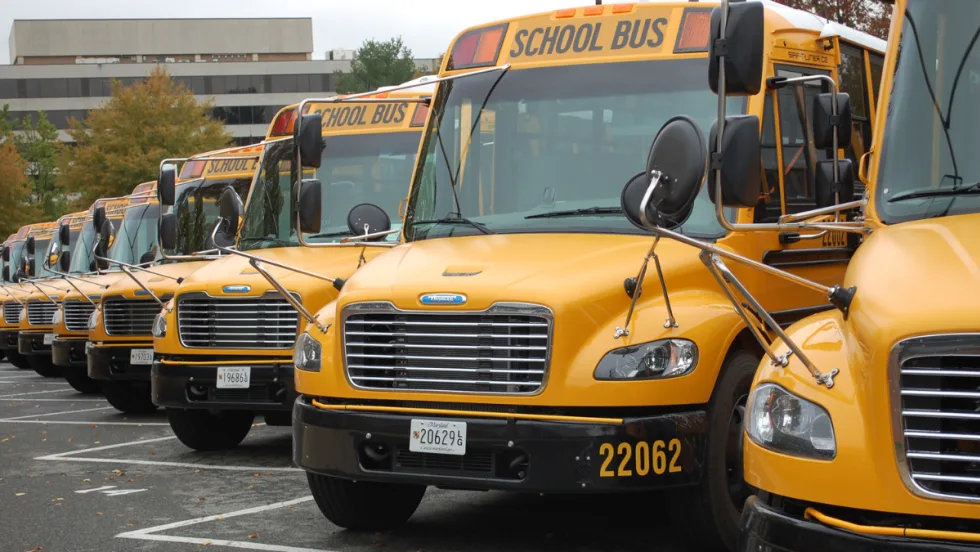
Fewer Electric School Bus Models Reshape the U.S. Market
WRI’s latest buyer’s guide points to a consolidating electric school bus market, but fewer options may reflect a maturing industry rather than fewer meaningful choices for school bus operators.
Read More →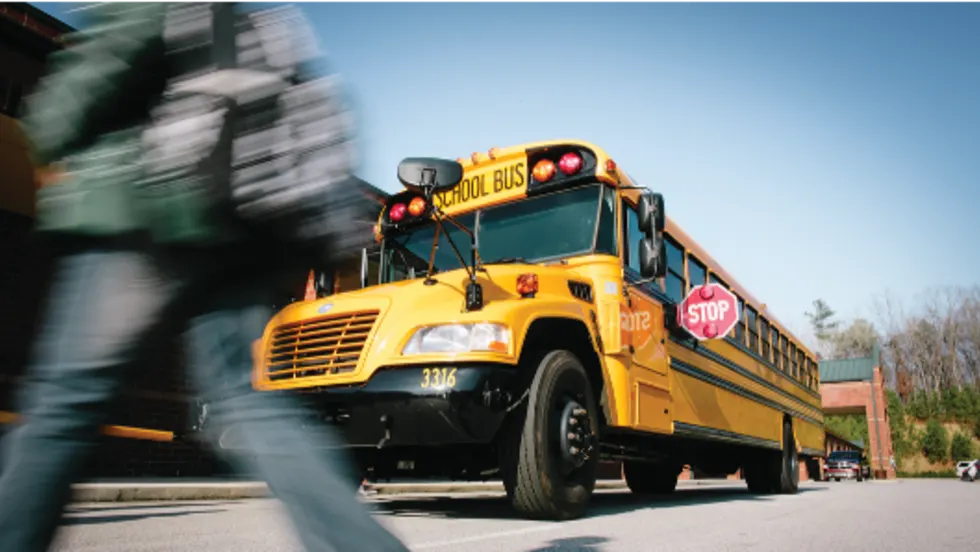
The Fuel Budget You Can Actually Predict: How Propane Autogas Keeps Money in the Classroom
Learn how propane autogas helps school districts manage fuel costs with predictable pricing, lower maintenance, and reduced emissions from former transportation director Joel Stutheit.
Read More →