




Are we talking about a Band-Aid solution?
Should bus drivers and aides be required to undergo training in First Aid and CPR? That’s the question we posed in a recent Web Poll at www....

Should bus drivers and aides be required to undergo training in First Aid and CPR? That’s the question we posed in a recent Web Poll at www.schoolbusfleet.com. The statistical results are published in our Feedback section on pg. 6. Below are some of the comments we received, both pro and con.
No doubt, training is essential
It is required in our state that all bus drivers be certified in First Aid and pediatric CPR. This has been a requirement for as long as I have been a bus driver (28 years), and no one in our state has ever been sued for performing these services on a child. I can’t imagine anyone who is involved in a child-related service such as bus driving not performing First Aid or CPR if a child needed it. I happen to be a certified instructor for First Aid and CPR. I teach classes for bus drivers or anyone else in my area who wants to learn these basic skills. I strongly agree that everyone should have this knowledge.
LANA GRAYUM, TRANSPORTATION DIRECTOR
Caney Valley (Kan.) School District #436
Liability issue creates dilemma
I have mixed feelings on this issue. Drivers probably should have some basic First Aid training and perhaps CPR training.
However, schools are under fire not to give even a Band-Aid without parent permission or first checking for some permission file. I was surprised that a male school bus driver not long ago said he received a letter of reprimand for applying a Band-Aid to a female student’s leg.
Employers should be very specific, in written policy, about the level of First Aid/CPR they are expecting their drivers to perform if needed. Most employers imply what they want — but don’t write it in policy — and leave a door to escape if there’s a problem later on.
When not detailed in written policy, I would suggest that drivers get a no-touch picture of the situation of an injured student, then call dispatch for authorization to apply First Aid. Or they can provide aid, perhaps on the basis of assumed permission from the injured student, until dispatch says to stop.
Yes, there certainly are heroes out there, and there are those who did exactly the same as the heroes — only later to be called a pervert. We live in a world of nut cases, scapegoats and the filthy minded.
Best bet is to tread softly and cover your assets.
JAMES KRAEMER, SCHOOL BUS DRIVER
Founder, 2safeschools.org
Err on the side of knowledge
I guess I prefer to have the knowledge of what to do when you need it. We’ve had the argument about being responsible and liable if we do something, but I have a hard time sitting and doing nothing if there is a person in distress. Emergency responders aren’t always there as quick as we would like to think. I had a child who choked on a quarter and sure was glad that I had an idea of what to do. As for it being required, maybe just offered would be better.
CHAR TIMOTHY, SCHOOL BUS DRIVER
Minot (N.D.) Public Schools
Helped save my son’s life
Here we are certified in child and adult CPR and First Aid training. The class takes place on our in-service time also. I did have two situations on my bus that required First Aid. The first time, a child had been crawling under the seats and stuck a metal piece in his leg. I did what I could, called for help and waited for the nurse to come to my bus. The second time, a child running to the stop tripped and fell. He was bleeding from everywhere — face, hands, elbows and knees — and was covered in dirt and debris. I took steps to control the bleeding until I could get him to the school, and then I assisted him into the office so they could get him further medical treatment.
I also saved my own son when he was choking on a piece of corn dog. He had already started to turn blue. This was two days after my first CPR/First Aid class. I shudder to think what might have happened to him had I not been trained.
DENISE FLOWERS, SCHOOL BUS DRIVER
Dyer County (Tenn.) School System
More Safety
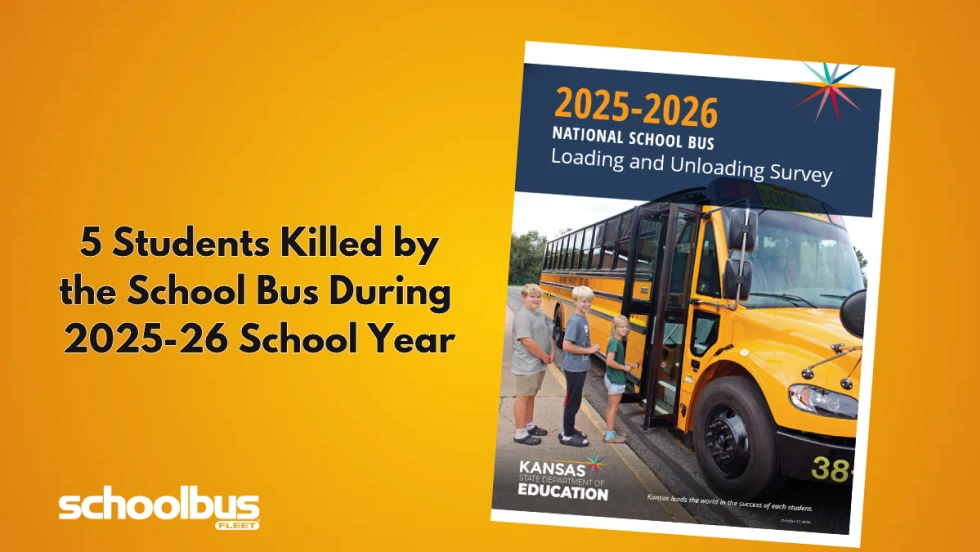
Five Students Died from School Bus Loading/Unloading in 2025-26
Fatalities are down by just one this year across the U.S. as four states reported five children struck and killed while getting on or off their school bus.
How a Texas District Built an Award-Winning Safety Culture
Rockwall ISD's Jennifer Gardella joins The Route to share lessons learned on accident prevention, driver training, coaching, technology, and team culture.

How Rockwall ISD Built an Award-Winning Safety Culture
How did one Texas transportation team strengthen bus and traffic safety? Jennifer Gardella shares lessons on driver training, coaching, technology, and team culture. The Route is brought to you by IC Bus.

North Carolina Student Killed While Boarding School Bus, Two Die in Utah Bus Crash
A Southern Nash High School student died after being struck by a pickup truck while approaching her school bus. In a separate incident, two people were killed after crashing into a school bus in Utah.
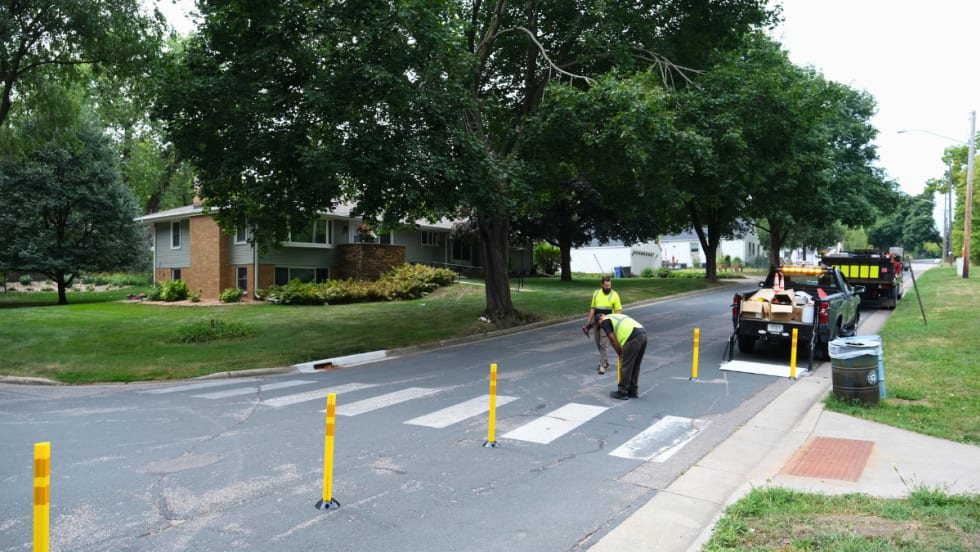
Minneapolis School Zone Pilot Cuts Speeding 41% with Low-Cost Street Design Changes
In a pilot project in Minnesota, two school-area intersections had low-cost, temporary road and traffic flow improvements made to measure the impact on roadway and student safety. Here's what they found.

Sitestream, Safety Vision Partner with Connecticut City to Launch School Bus Stop-Arm Camera Program
The new enforcement initiative combines camera technology and violation management software to document illegal school bus passing, encourage driver compliance, and enhance student safety.
From Reactive to Proactive: Making Every Ride Visible
Smart technology only delivers its full value when it works together. See how Catalyst connects proven industry platforms to move student transportation from reactive to proactive.
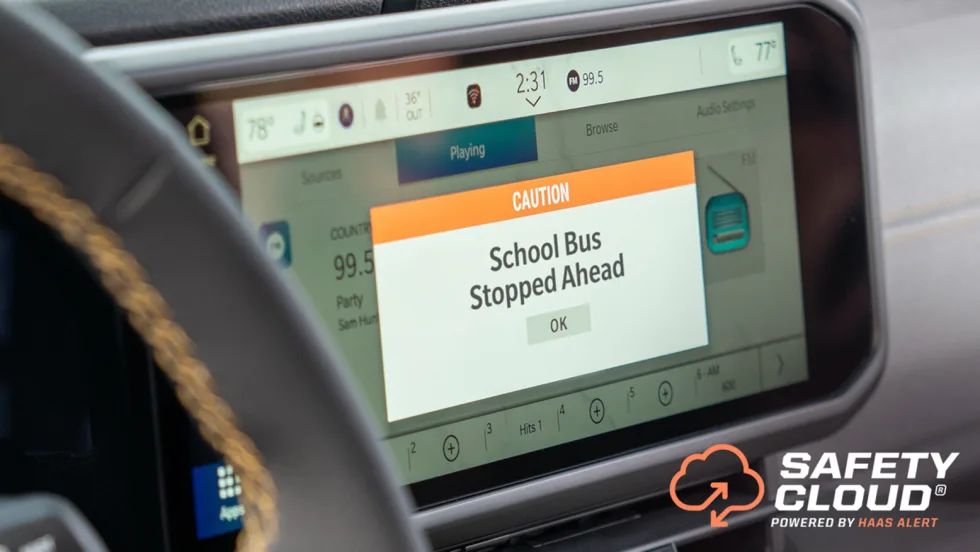
HAAS Alert’s Safety Cloud Warns Motorists of Stopped School Buses
Through a transponder or Samsara connection, the product lets school bus fleets send advance warnings to approaching drivers through in-vehicle alerts.

HopSkipDrive Reports Progress on Safety Advisory Council
More than a year after forming the council, independent safety experts have helped shape new rider-safety features and policy progress, with a new goal to address rider behavior.
What the 2026 National School Bus Safety Month Resolution Means for Student Transportation
The bipartisan resolution highlights illegal school bus passing, student safety during loading and unloading, and the need for driver training and public education.