




All eyes on bus study
TUSCALOOSA, Ala. — As a pilot study of the impact of lap-shoulder belts on school buses enters its third and final year, national and state transp...

TUSCALOOSA, Ala. — As a pilot study of the impact of lap-shoulder belts on school buses enters its third and final year, national and state transportation safety agencies are awaiting the results.
The study, conducted by the University of Alabama’s University Transportation Center for Alabama, has 12 new school buses at 10 school districts equipped with different types of lap-shoulder (or three-point) belts.
According to the university, the project involves four areas of research: a review of national experiences and trends, alterations needed to the Alabama bus fleet if seat belt use is adopted, analysis of Alabama school bus crash data and a cost-benefit analysis.
The buses in the study each have four ceiling-mounted video cameras, allowing the research team to gather data on the level of restraint use, review the percentage of students using the belts and the percentage of students using the belts properly, and investigate whether using the belts keeps students from moving into the aisle and out of the protective compartment provided by the seats.
Researchers said that the camera data will also gauge the benefit of having a bus aide to monitor students, and time devoted to buckling at each stop will be tracked.
“The first two years of our study have given us insight into the basic pattern of school bus seat belt use by Alabama’s schoolchildren,” said Dr. Jay Lindly, director of the University Transportation Center for Alabama. “The third and final year will allow us to vary some of the basic parameters of the study to see how that affects results. For example, does changing the bus driver on a route affect seat belt usage, or does adding an aide to a route affect seat belt usage?”
Dr. Dan Turner, professor of civil engineering and the principal investigator of the research team, said that detailed results will not be released until the study is completed. However, the team did say that the number of students wearing the belts properly has risen during the past year, and that there has been an increase in positive public perception regarding the installation of the belts.
The University of Alabama said that it is the first institution to carry out a large-scale scientific study of seat belts on school buses. Accordingly, the National Highway Traffic Safety Administration, the National Transportation Safety Board and other agencies have contacted the research team and are awaiting the results.
More Safety
North Carolina Student Killed While Boarding School Bus, Two Die in Utah Bus Crash
A Southern Nash High School student died after being struck by a pickup truck while approaching her school bus. In a separate incident, two people were killed after crashing into a school bus in Utah.
Read More →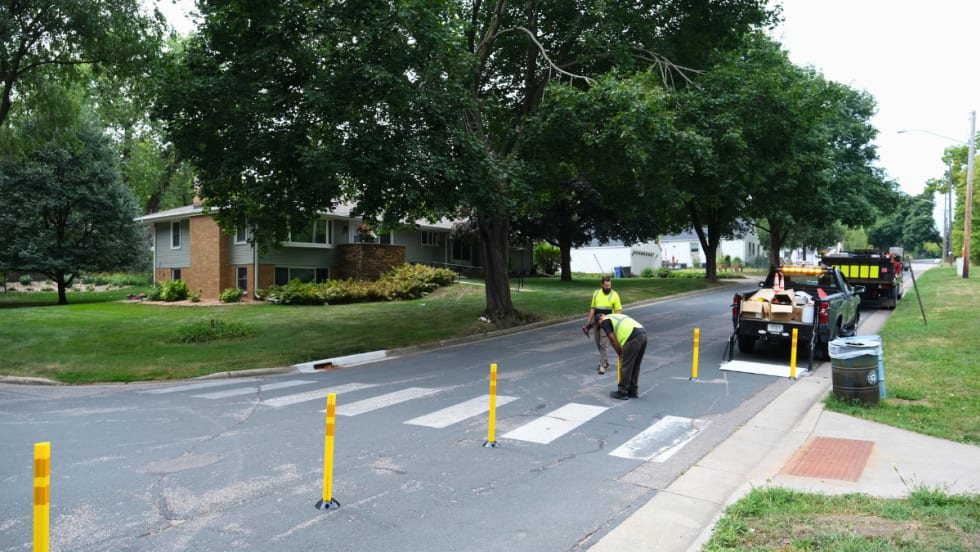
Minneapolis School Zone Pilot Cuts Speeding 41% with Low-Cost Street Design Changes
In a pilot project in Minnesota, two school-area intersections had low-cost, temporary road and traffic flow improvements made to measure the impact on roadway and student safety. Here's what they found.
Read More →
Sitestream, Safety Vision Partner with Connecticut City to Launch School Bus Stop-Arm Camera Program
The new enforcement initiative combines camera technology and violation management software to document illegal school bus passing, encourage driver compliance, and enhance student safety.
Read More →
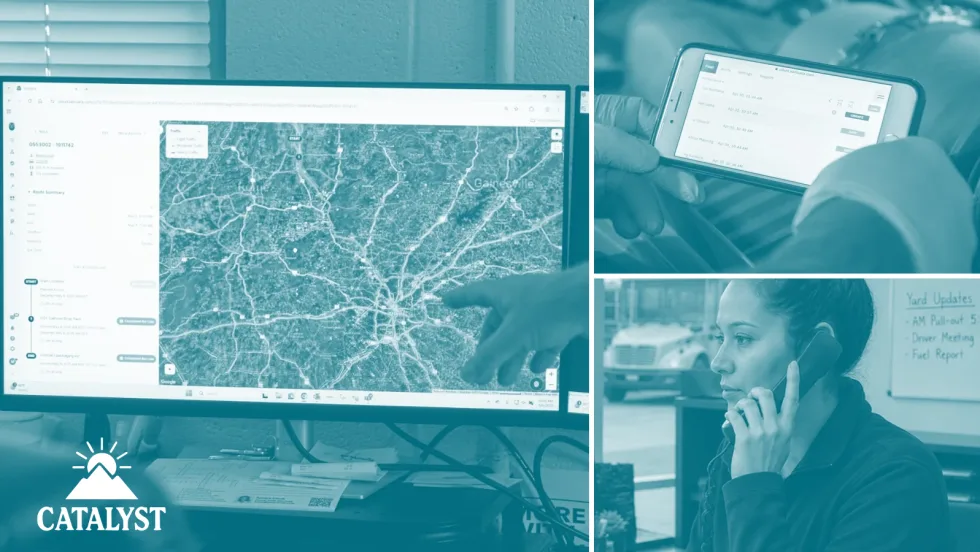
From Reactive to Proactive: Making Every Ride Visible
Smart technology only delivers its full value when it works together. See how Catalyst connects proven industry platforms to move student transportation from reactive to proactive.
Read More →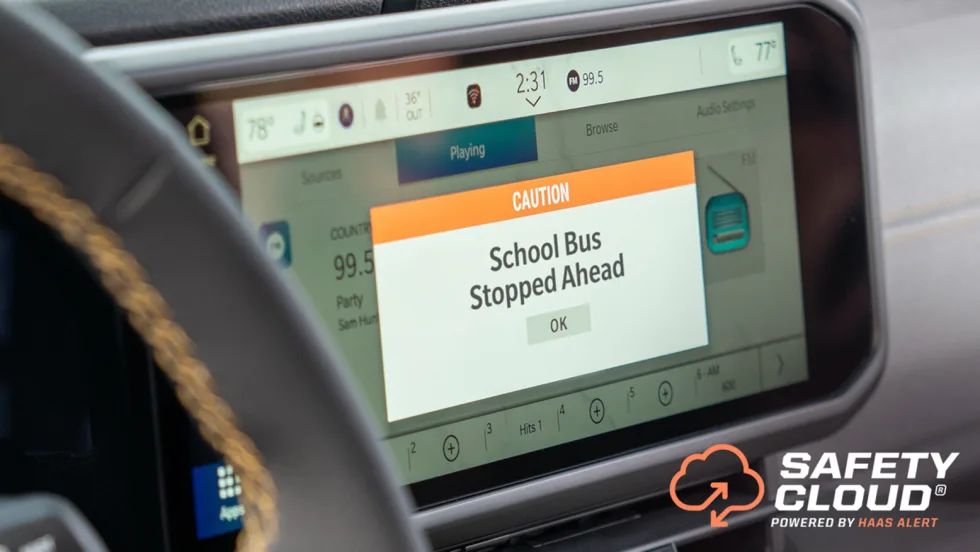
HAAS Alert’s Safety Cloud Warns Motorists of Stopped School Buses
Through a transponder or Samsara connection, the product lets school bus fleets send advance warnings to approaching drivers through in-vehicle alerts.
Read More →
HopSkipDrive Reports Progress on Safety Advisory Council
More than a year after forming the council, independent safety experts have helped shape new rider-safety features and policy progress, with a new goal to address rider behavior.
Read More →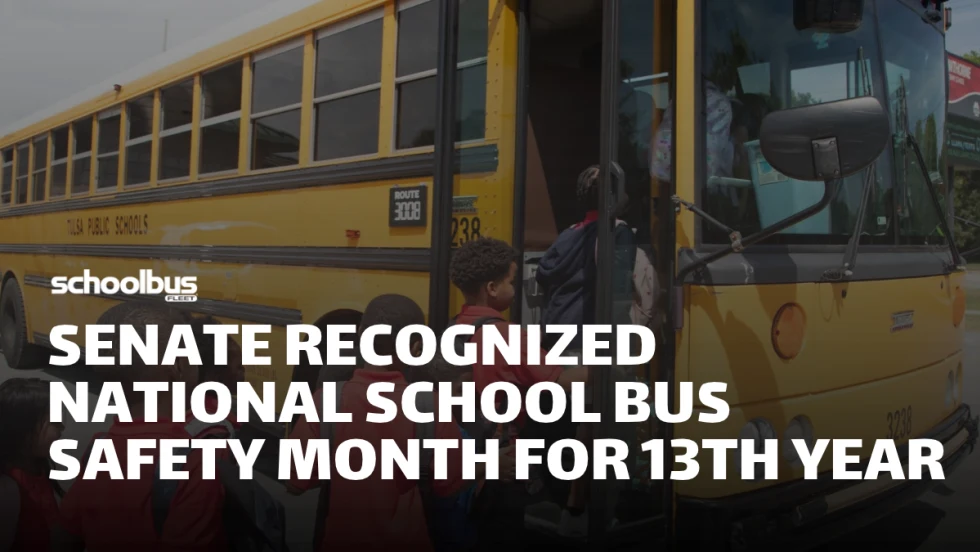
What the 2026 National School Bus Safety Month Resolution Means for Student Transportation
The bipartisan resolution highlights illegal school bus passing, student safety during loading and unloading, and the need for driver training and public education.
Read More →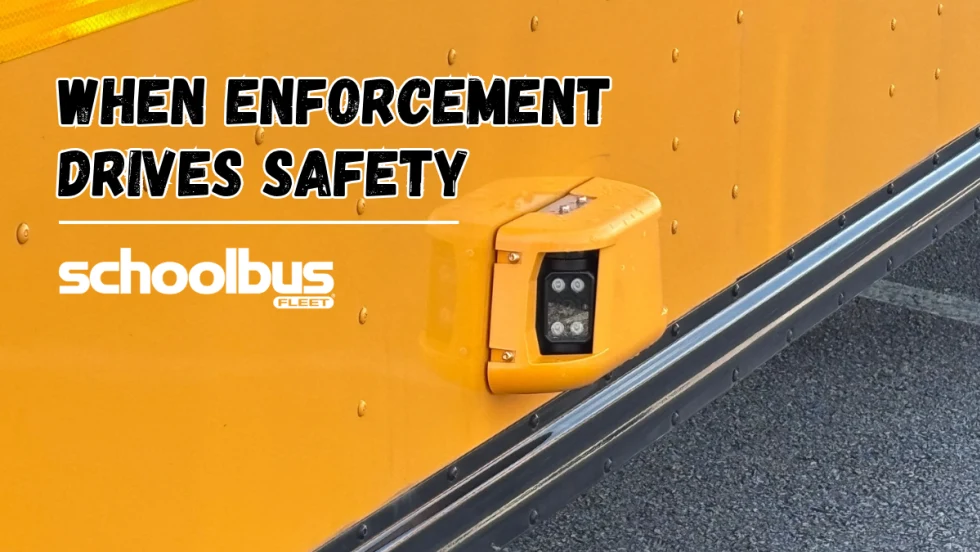
School Bus Stop-Arm Violations Decline 53% Across Verra Mobility Programs
Verra Mobility shares how school bus stop-arm cameras and school zone safety programs are changing driver behavior, reducing violations, and protecting students.
Read More →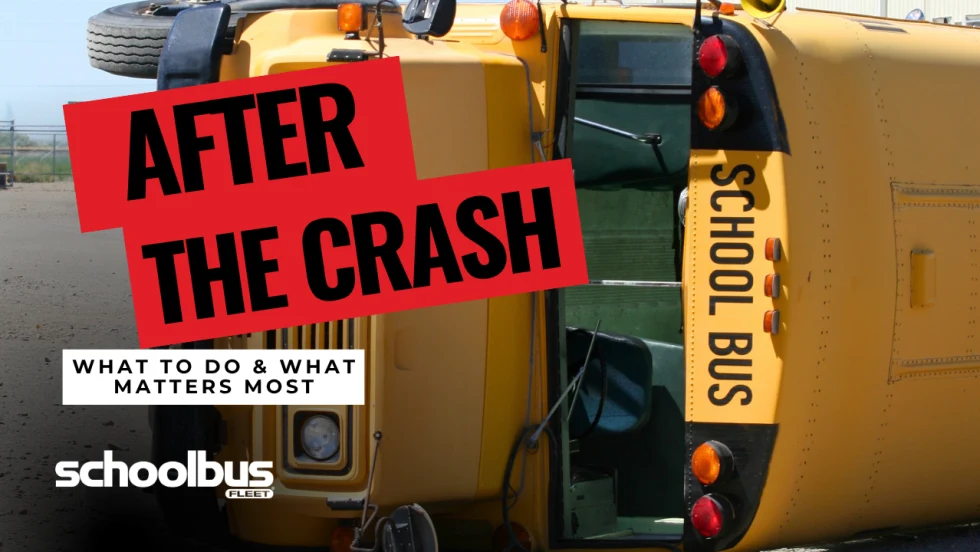
Most Bus Crashes Aren’t Your Fault. Here’s How to Prove It.
A guide for what to do in between a school bus crash and a claim: what to preserve, who to notify, and how to keep the facts available when they matter.
Read More →
National School Bus Safety Week 2026: Tips, Toolkits & Resources to Keep Students Safe
School bus safety takes more than awareness. Explore expert tips, enforcement strategies, and free resources to help protect students on every ride.
Read More →