




A heavy load to bear
I gripped the steering wheel of the massive vehicle, checked all of my mirrors, and slowly pulled onto the road, driving as carefully as possible to m...

I gripped the steering wheel of the massive vehicle, checked all of my mirrors, and slowly pulled onto the road, driving as carefully as possible to make sure my precious cargo stayed safe from harm.
Unfortunately, it wasn’t a yellow school bus that I was operating this day. It was a big, white moving truck. It wasn’t filled with 80 or so rambunctious children, but this nerve-racking experience bolstered my respect for what your school bus drivers do each school day.
On this occasion, an overcast afternoon in late June, I was hauling all of my family’s belongings as we relocated from one Southern California town to another.
My route took me through the Santa Monica Mountains via the Sepulveda Pass, which is notorious for its traffic congestion. The trip wasn’t too long in distance — about 40 miles — but it seemed to drag on for hours.
Here’s how it went.
Report from the road
When I wasn’t stuck in traffic — so, moving at a moderate speed — just keeping the truck within one lane of the freeway required great focus. There was very little room between the sides of the truck and the lane lines, and the steering on this fully loaded vessel was less than ideal.
Southern California freeways are often rough and full of hazards. For example, on a recent drive to work, a stray traffic cone tumbled out from under the car in front of me and then got lodged under my car, forcing me to pull over and wrestle it out.
I didn’t encounter any cones with the truck, but when I came to any slightly uneven surface, the cab bounced like a ball. I felt weightlessness several times, with only my seat belt and white knuckles on the steering wheel keeping me from launching into the ceiling. (That may be a slight exaggeration.)
The freeway speed limit is widely considered a suggestion — and a suggestion that is widely ignored. This becomes abundantly clear when driving a large vehicle below the posted limit. Even in one of the “slow lanes” toward the right side of the freeway, cars were zooming by me on both sides, often cutting right in front of me.
Maintaining a sizable following distance was crucial with such a heavy load. The traffic would often unexpectedly change from flowing quickly to near-standstill. But, just as nature abhors a vacuum, many motorists seem bent on swerving into any opening they can find.
Eye-opening experience
Despite all the anxiety of the moving truck trip, as I pulled off the freeway onto the exit toward our new home, I couldn’t help but let out a few enthusiastic yells. As I waited at a stop light, I turned to look at the car next to me, half-expecting the driver to break into applause. “Can you believe what I just did?” I asked, in my head. (Alas, he gave no acknowledgement.)Then I really felt accomplished when I opened the truck and found that nothing was broken.
So I can imagine the fulfillment school bus drivers — really, everyone involved in your pupil transportation operations — must feel at the end of the day, after every student has been delivered safe and sound.
Normally, I drive a relatively small station wagon, sometimes with two screaming kids in the back, and that’s about all I can handle.
I just hope we don’t decide to move again anytime soon.
More Safety
Illegal School Bus Passing Drops 24% in New York Districts
With fewer than 5% of citations involving repeat offenders, Westchester County officials said enforcement, education, and community partnerships are helping change driver behavior.
Read More →
School's Back. Here's What Happened to Traffic, Speeding & Distraction
What happens to traffic when school resumes? New data analysis examines changes in distracted driving, congestion, and speeding around schools.
Read More →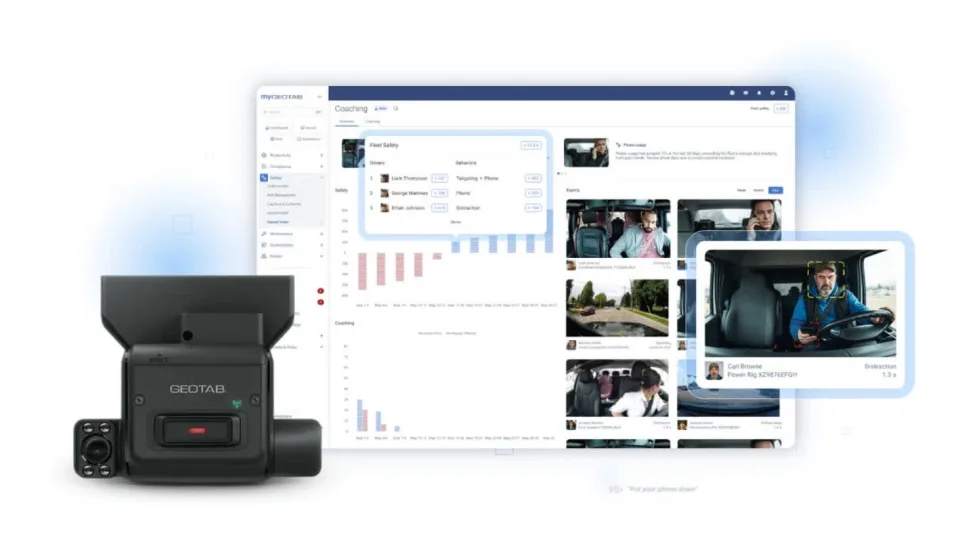
Geotab Expands Fleet Safety Tools With Video Coaching, Risk Insights
New safety and video capabilities aim to help fleet managers assess risk, support drivers, and take targeted action through video coaching, red-light violation detection, and more.
Read More →

How to Build a Better School Bus Driver Training Program
Is it time to strengthen your driver training? Here’s how to pick the right talent and improve recruitment, retention, and safety. This video is brought to you by IC Bus.
Read More →
Recent School Bus Accidents Leave 2 Dead, 2 Injured
Four school bus crashes in Florida, Illinois, and Georgia highlight risks in transportation lots, at bus stops, and during student loading and unloading.
Read More →
When Every Second Matters, Clarity Keeps Routes Moving
From routine delays to urgent incidents, strong communication practices help drivers, dispatchers, schools, and families respond with confidence.
Read More →
What Happens When a School Bus Catches Fire — and What Can Help
School bus fires are rare but can be devastating. Learn how advances in fire suppression and asset protection help fleets detect fires earlier, reduce damage, and improve safety.
Read More →
Geotab Launches Tool to Help Fleets Investigate Road Incidents
Geotab Investigations combines telematics data, video, documents, and other evidence to help fleets reconstruct incidents, resolve claims, and determine what happened.
Read More →
Texas Sixth Grader Wins 2026 National School Bus Safety Poster Contest
Sai Darshana Yekolu of Moseley Middle School in Prosper, Texas, was named the newest winner for her artwork, bringing the theme of “Safe Rides, Everyday Heroes” to life.
Read More →
Doing More With Less: How Transportation Directors Can Prioritize Safety Amid Budget Uncertainty
With diesel prices soaring and nearly one-third of transportation directors expecting budget cuts, maintaining student safety has never been more challenging. Download this guide to learn how leading districts are prioritizing risk, funding critical safety technology, and building stronger budget cases with data.
Read More →