




5 Questions: Stephanie Oliver on Reopening Guidelines, Virtual Training
Oliver, a transportation programs consultant for the California Department of Education, discusses the importance of a plan outlining details for identifying COVID-19 symptoms, considerations for special-needs students, and the state’s new online training.


Regarding transporting students during the COVID-19 pandemic, Stephanie Oliver says, “No one has all the right answers, but I think we are headed in the right direction.”
Photo courtesy Stephanie Oliver

Regarding transporting students during the COVID-19 pandemic, Stephanie Oliver says, “No one has all the right answers, but I think we are headed in the right direction.”
Photo courtesy Stephanie Oliver
Growing up in the world of pupil transportation, with parents as well as a sister who have driven the yellow bus, Stephanie Oliver worked her way up in the industry until she scored her dream job at the California Department of Education (DOE).
As a transportation programs consultant for the agency’s Office of School Transportation for Imperial, Riverside, San Bernardino, San Diego, and Orange counties, Oliver writes mandated curriculum for school buses; certifies state instructors; delegates behind-the-wheel trainers; interprets and teaches state and federal statutes and regulations; and assists districts and school bus contractors with transportation concerns and training.
In this interview with School Bus Fleet, Oliver discusses the importance of a written plan outlining details for identifying COVID-19 symptoms, considerations for special-needs students, and the state’s new online training.
1. How did you get your start in pupil transportation?
I grew up around the school bus. My mom drove a school bus for many years. My stepdad and sister have also driven for many years and are still in the industry.
My career started as a school bus driver in 2001 with a private contractor. I drove for almost a year before I became a dispatcher/charter coordinator. In 2003, I became an operations manager in Arroyo Grande, Calif. In 2004, I moved to the Santa Barbara location and managed that operation for 9 years before being hired as a transportation programs consultant for the California DOE in 2013. Working for the department was definitely a dream come true.
2. Things are changing every day with the COVID-19 pandemic. What are some of California’s guidelines of note for pupil transportation, including for special-needs students?
This pandemic has definitely changed our world. This is something nobody has experienced before and initially it had us all wondering what we were going to do, and how we going to do it. No one has all the right answers, but I think we are farther ahead now than we were in April. We are making progress and headed in the right direction.
In California, each Local Educational Agency (LEA) is to develop a plan for school reopening, which includes transportation. Utilizing recommendations from the California Department of Education: Stronger Together, the Centers for Disease Control, California Department of Public Health, and California Division of Occupational Safety and Health, along with county specifics, each LEA can devise a plan to keep kids safe. Multiple district leaders are collaborating to identify concerns, create plans, and share ideas and procedures, which is also useful.
We have some very fragile students with disabilities that require transportation as a mandated service. Individualized Education Programs (IEPs) should identify special accommodations and considerations when providing transportation for students with disabilities. Due to social distancing guidelines, this may result in having fewer students on a school bus, no matter the capacity, because wearing a face covering may not be an option for some students. Other items for consideration include providing parents/guardians with a symptom checklist to use before they send their child to board the bus, and clarification for bus drivers and attendants on what to do if a student arrives to the bus with possible symptoms.
Having a written plan, outlining specific details of checking/identifying symptoms, and communicating with all involved will be a huge factor in ensuring our school bus drivers are providing a safe and healthy environment for students.
3. Are there new developments in safety or training for California pupil transporters?
We are excited that applicants can now receive online original and renewal classroom instruction: a first for California. The California DOE believes this will allow carriers to teach and continue to educate drivers while utilizing a virtual platform, which will assist transportation providers with driver shortages.
4. What do you wish people outside the world of pupil transportation knew about it?
In California, our industry is highly regulated. Our drivers must take at least a 40-hour course of instruction (at least 20 hours of classroom instruction and 20 hours of behind-the-wheel training), and test with the California Highway Patrol before they can obtain a school bus certificate. They must have a background check and receive drug and alcohol testing continuously.
Our drivers are also required to receive additional education of certificate validity each year and, upon renewing their school bus certificate, receive a minimum 10 hours of classroom instruction on specific curriculum, statutes, and regulations.
5. What do you like most about working in pupil transportation?
The people. We have great individuals who want to make a difference in the lives of the children we transport. We all believe in the school bus and know it’s the safest form of transportation to get students to and from school.
More Safety

How to Build a Better School Bus Driver Training Program
Is it time to strengthen your driver training? Here’s how to pick the right talent and improve recruitment, retention, and safety. This video is brought to you by IC Bus.
Read More →
Recent School Bus Accidents Leave 2 Dead, 2 Injured
Four school bus crashes in Florida, Illinois, and Georgia highlight risks in transportation lots, at bus stops, and during student loading and unloading.
Read More →
When Every Second Matters, Clarity Keeps Routes Moving
From routine delays to urgent incidents, strong communication practices help drivers, dispatchers, schools, and families respond with confidence.
Read More →

What Happens When a School Bus Catches Fire — and What Can Help
School bus fires are rare but can be devastating. Learn how advances in fire suppression and asset protection help fleets detect fires earlier, reduce damage, and improve safety.
Read More →
Geotab Launches Tool to Help Fleets Investigate Road Incidents
Geotab Investigations combines telematics data, video, documents, and other evidence to help fleets reconstruct incidents, resolve claims, and determine what happened.
Read More →
Texas Sixth Grader Wins 2026 National School Bus Safety Poster Contest
Sai Darshana Yekolu of Moseley Middle School in Prosper, Texas, was named the newest winner for her artwork, bringing the theme of “Safe Rides, Everyday Heroes” to life.
Read More →
Doing More With Less: How Transportation Directors Can Prioritize Safety Amid Budget Uncertainty
With diesel prices soaring and nearly one-third of transportation directors expecting budget cuts, maintaining student safety has never been more challenging. Download this guide to learn how leading districts are prioritizing risk, funding critical safety technology, and building stronger budget cases with data.
Read More →
Walton County Schools Adds Gatekeeper Stop-Arm Enforcement System
The Florida district will deploy Gatekeeper’s updated Student Protector technology, which now incorporates AI to improve video evidence.
Read More →
How To Build a More Secure School Bus Yard During and After Hours
As thefts and overnight security threats continue, school transportation leaders are combining stronger operational practices with AI-enabled surveillance to better protect buses, facilities, and staff.
Read More →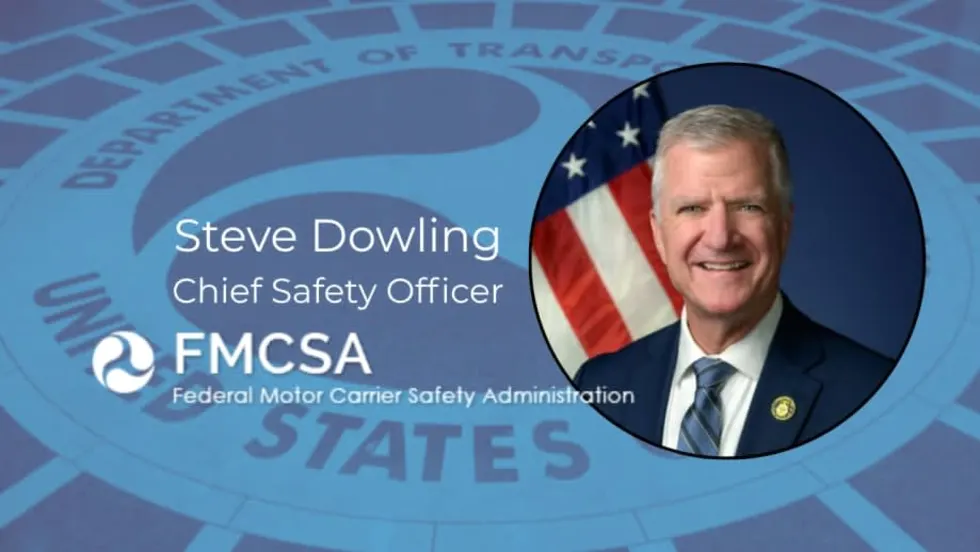
FMCSA Names New Chief Safety Officer: What School Bus Operators Should Know
Steve Dowling is set to lead the federal agency's efforts to advance commercial motor vehicle safety and reduce crashes, fatalities, and injuries on the nation's roadways.
Read More →