




5 Questions: Renee Boydo on Safety Leadership, Developing Training
Boydo, the training program manager for First Student, discusses developing a new training program for the school bus company, which includes procedures for its van service, and rolling out new procedures to prevent the spread of COVID-19.

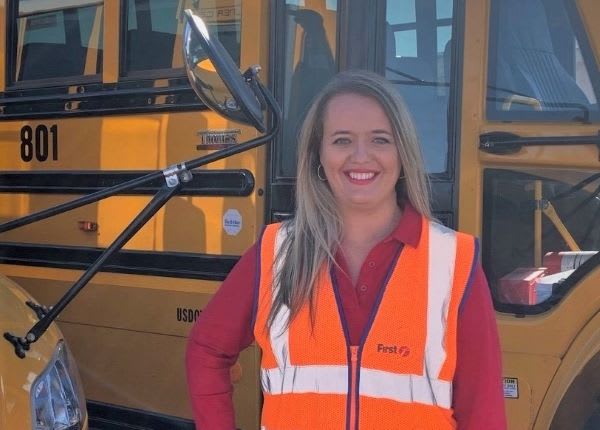
Renee Boydo says that First Student locations that piloted key safety initiatives she spearheaded improved first-time licensing pass rates and increased driver retention rates by double digits.
Photo courtesy First Student
Safety is a passion long held by Renee Boydo, who began her career by focusing on Environment, Health, and Safety (EHS) issues and emergency response training. She joined the First Student team in Wichita, Kan., in 2016 as a training center manager, and worked to enhance the driver training processes.
Today, as the school bus company’s training program manager, Boydo supervises driver training programs, supporting more than 450 of the school bus company’s locations and nearly 48,000 employees across North America. For her impressive safety accomplishments, she was named a 2020 Rising Star of Safety by the National Safety Council (NSC) in October.
In this interview with School Bus Fleet, Boydo discusses developing a new training program — which included procedures for its van service and increased driver retention — and rolling out new procedures to prevent the spread of COVID-19.
1. How did you get your start in pupil transportation?
I began my learning and development career in the oil and gas industry, specializing in EHS and emergency response training. When the opportunity arose to bring this experience to First Student, I was excited to join such a unique and extraordinary industry.
2. You were recently recognized as a 2020 Rising Star of Safety by the NSC. What were some of the efforts on your part that the award acknowledged?
I have been able to lead several key safety initiatives for First Student, including redesigning our driver training and certification processes and developing and implementing a new training program for our van service. Locations that piloted the initiatives improved first-time licensing pass rates, reduced training throughput time [time taken from start to finish] and increased driver retention rates by double digits. We have heightened our focus on training program effectiveness, efficiency, and performance evaluation and improvement.
Having these efforts recognized by the NSC is unbelievably humbling. I am proud to stand beside the 31 other safety professionals who also received this award. It’s an incredible honor, not only to represent First Student in the world of safety, but to show how the pupil transportation industry is leading the way with our focus on workplace safety and training excellence.
3. You redesigned the company’s driver training and certification processes, and developed and implemented a new training program for the company’s van service. What changes has First Student seen because of your efforts?
At First Student, we believe the quality of the training for our new drivers is one of the most important factors as we strive to remain the industry leader in pupil transportation. It’s why the company decided to focus on developing a trainer certification program that builds on our safety culture. We also know pupil transportation is an ever-growing and ever-changing environment. Our new van service, which includes a customized van-specific training program, has allowed us to meet students’ unique needs. We have been able to successfully roll out these innovative and transformative initiatives across the organization in large part because of the incredibly supportive partnership between our safety and training teams and our operational leaders.
4. You have also led the development of COVID-19 safety protocols for First Student trainers and trainees. What are some key points for pupil transporters to keep in mind when transporting students during the pandemic?
The ongoing COVID-19 pandemic has created new challenges and opportunities for the pupil transportation industry. At First Student, our full focus has been on developing and implementing new safety and operating procedures to help prevent the spread of COVID-19. To safeguard our 1,400 trainers and their trainees, we provided new training guidance to onboard drivers and policies to help prevent the spread of the virus, including social distancing and personal protective equipment (PPE). We recognize that for our employees to feel confident about the safety of school buses, we must adopt the best operating protocols possible.
5. What do you wish people outside the world of student transportation knew about it?
Student transportation is more than just driving a bus. We get to be a key foundational staple of our communities, as millions of students start and end their school day on big yellow buses. From drivers, monitors, dispatchers, technicians, and other support staff, the team effort it takes to make each safe journey happen is truly remarkable, and I love being a part of it.
More Safety

How to Build a Better School Bus Driver Training Program
Is it time to strengthen your driver training? Here’s how to pick the right talent and improve recruitment, retention, and safety. This video is brought to you by IC Bus.
Read More →
Recent School Bus Accidents Leave 2 Dead, 2 Injured
Four school bus crashes in Florida, Illinois, and Georgia highlight risks in transportation lots, at bus stops, and during student loading and unloading.
Read More →
When Every Second Matters, Clarity Keeps Routes Moving
From routine delays to urgent incidents, strong communication practices help drivers, dispatchers, schools, and families respond with confidence.
Read More →

What Happens When a School Bus Catches Fire — and What Can Help
School bus fires are rare but can be devastating. Learn how advances in fire suppression and asset protection help fleets detect fires earlier, reduce damage, and improve safety.
Read More →
Geotab Launches Tool to Help Fleets Investigate Road Incidents
Geotab Investigations combines telematics data, video, documents, and other evidence to help fleets reconstruct incidents, resolve claims, and determine what happened.
Read More →
Texas Sixth Grader Wins 2026 National School Bus Safety Poster Contest
Sai Darshana Yekolu of Moseley Middle School in Prosper, Texas, was named the newest winner for her artwork, bringing the theme of “Safe Rides, Everyday Heroes” to life.
Read More →
Doing More With Less: How Transportation Directors Can Prioritize Safety Amid Budget Uncertainty
With diesel prices soaring and nearly one-third of transportation directors expecting budget cuts, maintaining student safety has never been more challenging. Download this guide to learn how leading districts are prioritizing risk, funding critical safety technology, and building stronger budget cases with data.
Read More →
Walton County Schools Adds Gatekeeper Stop-Arm Enforcement System
The Florida district will deploy Gatekeeper’s updated Student Protector technology, which now incorporates AI to improve video evidence.
Read More →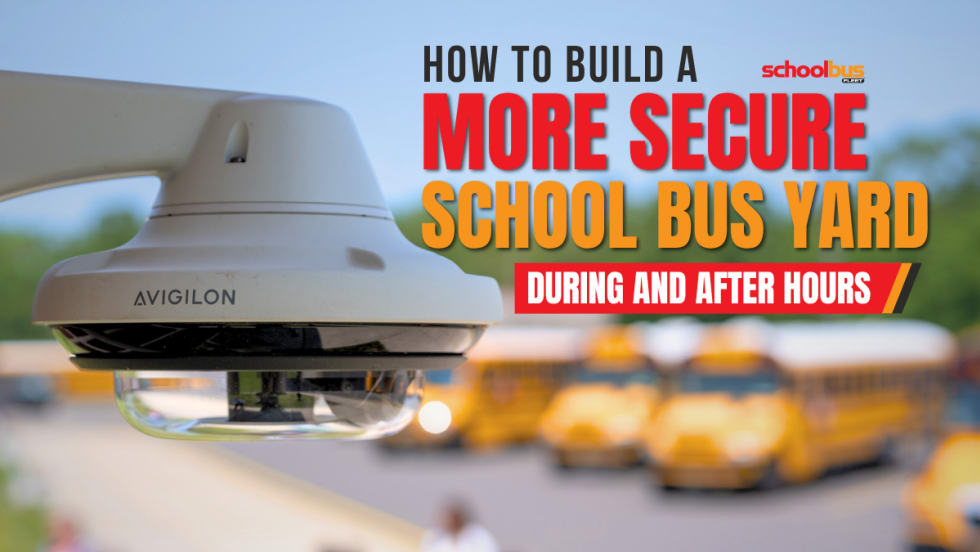
How To Build a More Secure School Bus Yard During and After Hours
As thefts and overnight security threats continue, school transportation leaders are combining stronger operational practices with AI-enabled surveillance to better protect buses, facilities, and staff.
Read More →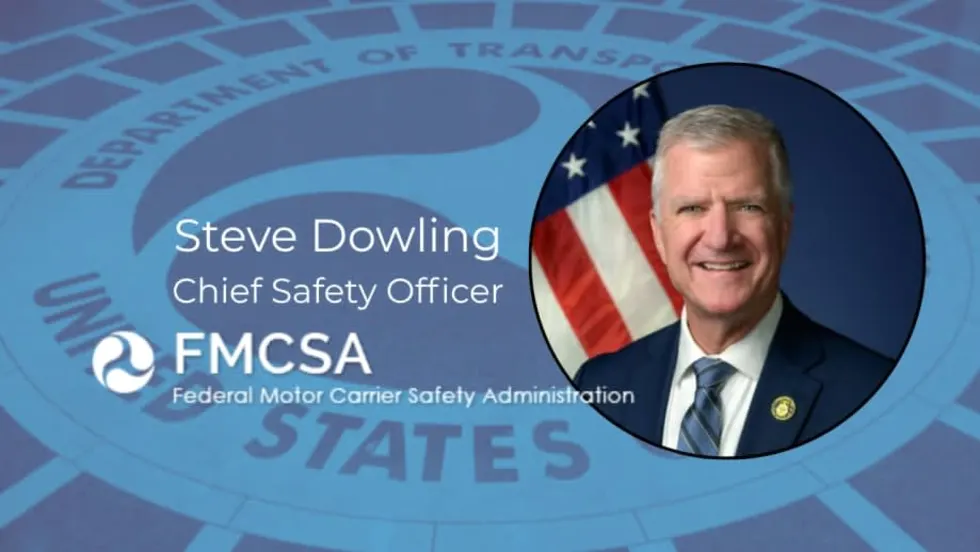
FMCSA Names New Chief Safety Officer: What School Bus Operators Should Know
Steve Dowling is set to lead the federal agency's efforts to advance commercial motor vehicle safety and reduce crashes, fatalities, and injuries on the nation's roadways.
Read More →