





Recommended Reading: Beyond the Dash: Safety Tech Helping Drivers See It All
Geotab Launches New AI Dash Cam
The new technology available to school bus fleets can cut risky driving behavior by up to 95% using in-cab verbal alerts and offering driver support.
October 14, 2025
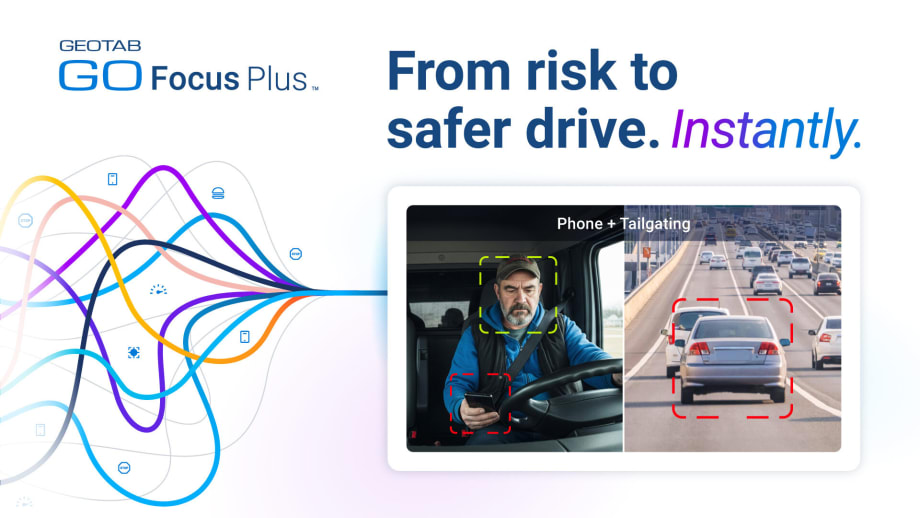
The platform's open architecture is designed to support a growing family of advanced cameras, with new models and capabilities planned in the coming months, Geotab said.
Photo: Geotab
2 min to read
Last month, telematics provider Geotab launched the GO Focus Plus AI dash cam, its new video intelligence platform. This dual-facing dash cam is designed to deliver proactive, in-cab voice support that helps drivers identify and correct risky habits behind the wheel.
In a recent pilot, the voice coaching functionality helped reduce tailgating by 90% and phone use by 95% in non-school bus vehicles.
This system turns every alert into a coaching opportunity, Geotab said, aiming to prevent accidents and create a measurable impact on fleet safety culture.
In 2023, there were 5,300 fatal crashes involving large trucks, a 43% increase over the last decade. A recent Geotab survey noted that drivers believe there is an increase in driving accidents, with 34% having considered leaving the profession in the year prior.
Commercial drivers face long hours, unpredictable conditions, stress and wellness challenges, and even unfair blame in incidents. At the same time, there are rising costs, the need to keep a safe workforce and protect the company’s reputation. These challenges have a profound human and financial impact, directly affecting driver well-being, business vitality, and the safety of our roads.
Charlie Elliott, senior VP, marketing & marketplace at Geotab, said: "Our new video intelligence platform and the GO Focus Plus AI dash cam are a direct investment in supporting the driver and their safety. ... we are providing drivers with an in-cab partner that helps them correct risks instantly. This system empowers fleet managers to move beyond reactive incident review and instead foster a culture of safety that protects their most valuable asset, which is their people.”
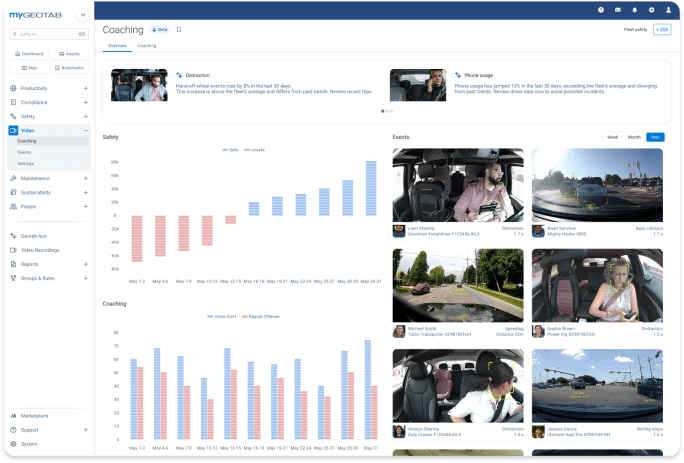
The dash cam uses precision AI to minimize false alerts, streamlining the driver coaching workflow for fleet managers.
Photo: Geotab
Key Features of GO Focus Plus
Proactive Driver Coaching: The AI dash cam provides instant, in-cab voice prompts to drivers when risky behaviors like distracted driving (e.g., phone use, fatigue) or tailgating, are detected, helping them correct immediately.
Targeted Fleet Management: AI-driven video intelligence surfaces the most urgent risks and repeat patterns for quick review, eliminating the need for fleet managers to sort through extensive footage. Each alert includes video and contextual data, enabling targeted and effective coaching.
Seamless Workflow and Safety Culture: The MyGeotab platform allows for a seamless workflow, including the assignment, tracking, and recognition of progress, reinforcing a strong culture of safety within the fleet.
More Safety

How to Build a Better School Bus Driver Training Program
Is it time to strengthen your driver training? Here’s how to pick the right talent and improve recruitment, retention, and safety. This video is brought to you by IC Bus.
Read More →
Recent School Bus Accidents Leave 2 Dead, 2 Injured
Four school bus crashes in Florida, Illinois, and Georgia highlight risks in transportation lots, at bus stops, and during student loading and unloading.
Read More →
Sponsored•September 8, 2026
When Every Second Matters, Clarity Keeps Routes Moving
From routine delays to urgent incidents, strong communication practices help drivers, dispatchers, schools, and families respond with confidence.
Read More →

What Happens When a School Bus Catches Fire — and What Can Help
School bus fires are rare but can be devastating. Learn how advances in fire suppression and asset protection help fleets detect fires earlier, reduce damage, and improve safety.
Read More →
Geotab Launches Tool to Help Fleets Investigate Road Incidents
Geotab Investigations combines telematics data, video, documents, and other evidence to help fleets reconstruct incidents, resolve claims, and determine what happened.
Read More →
Texas Sixth Grader Wins 2026 National School Bus Safety Poster Contest
Sai Darshana Yekolu of Moseley Middle School in Prosper, Texas, was named the newest winner for her artwork, bringing the theme of “Safe Rides, Everyday Heroes” to life.
Read More →
Sponsored•August 27, 2026
Doing More With Less: How Transportation Directors Can Prioritize Safety Amid Budget Uncertainty
With diesel prices soaring and nearly one-third of transportation directors expecting budget cuts, maintaining student safety has never been more challenging. Download this guide to learn how leading districts are prioritizing risk, funding critical safety technology, and building stronger budget cases with data.
Read More →
Walton County Schools Adds Gatekeeper Stop-Arm Enforcement System
The Florida district will deploy Gatekeeper’s updated Student Protector technology, which now incorporates AI to improve video evidence.
Read More →
How To Build a More Secure School Bus Yard During and After Hours
As thefts and overnight security threats continue, school transportation leaders are combining stronger operational practices with AI-enabled surveillance to better protect buses, facilities, and staff.
Read More →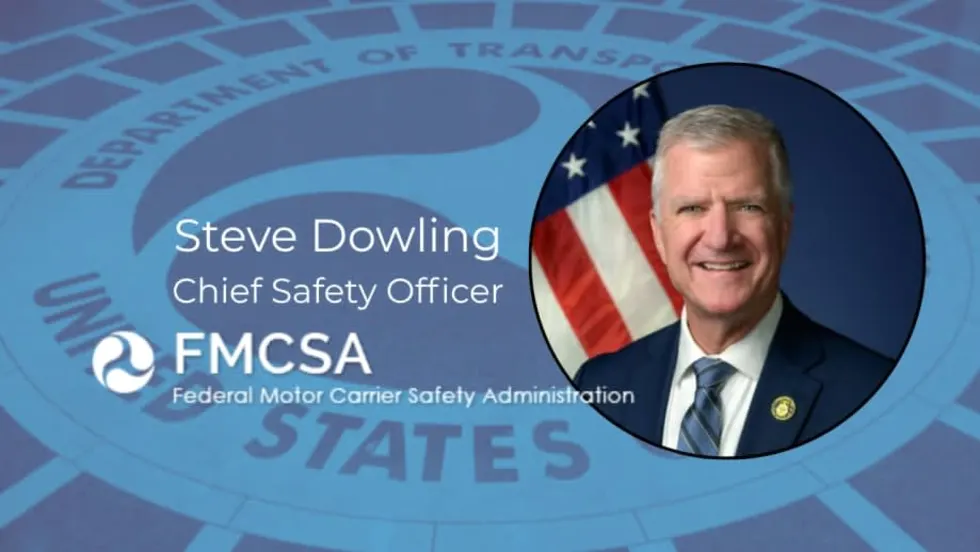
FMCSA Names New Chief Safety Officer: What School Bus Operators Should Know
Steve Dowling is set to lead the federal agency's efforts to advance commercial motor vehicle safety and reduce crashes, fatalities, and injuries on the nation's roadways.
Read More →