




Check Out: 5 Questions: Keith Dreiling on Sharing School Bus Safety Passion, Data
NASDPTS Conference: Buses - Not Cars - More Common in Pupil Transportation Deaths
Over the last 50+ years, nearly two-thirds of loading and unloading deaths have occurred during the morning run.

Christy Grimes・Former Senior Editor
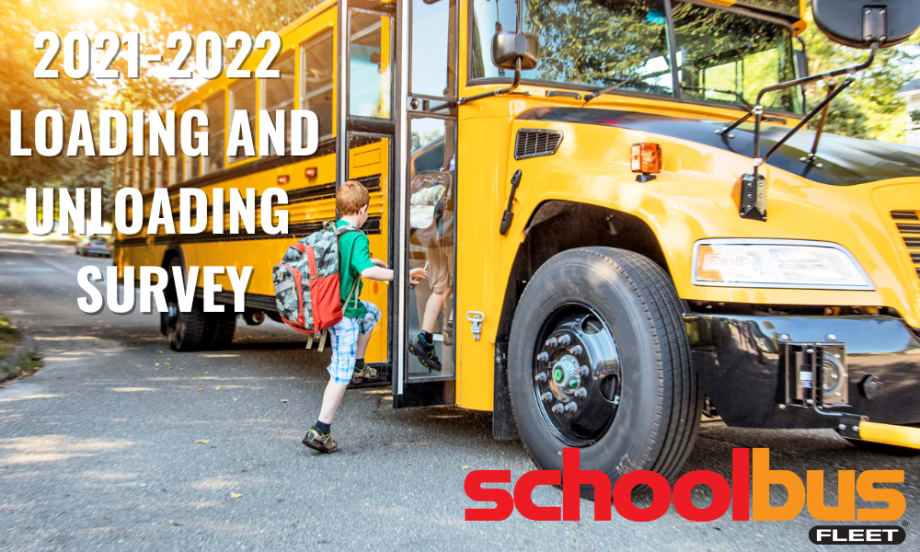
The majority of loading and unloading fatalities during the 2021-2022 school year happened during the morning route.
Photo: Canva/School Bus Fleet
4 min to read
In two-thirds of pupil deaths that occurred during loading and unloading during the previous school year, the child’s death was related to a school bus, as opposed to a passenger vehicle. That’s according to the 2021-2022 National School Bus Loading and Unloading Survey, conducted annually by the Kansas State Department of Education. Results of the survey were released during the annual conference of the National Association of State Directors of Pupil Transportation Services (NASDPTS).
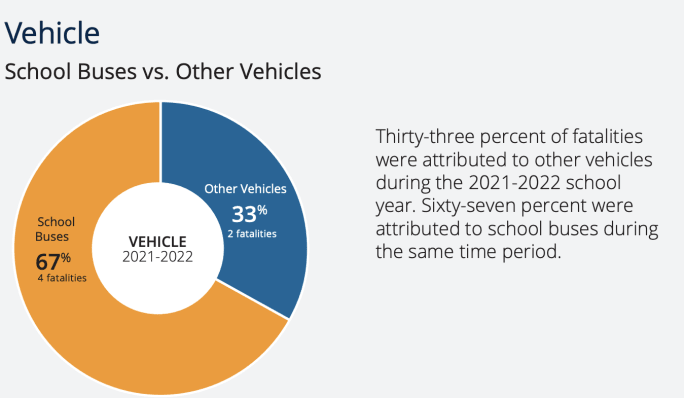
Two-thirds of vehicles involved in loading and unloading fatalities were school buses.
Photo: Kansas Department of Education
The Deaths
Six students were killed in loading and unloading-related incidents. The survey normally only includes deaths involving kindergarten through 12th grade students. However, this year’s data included a 19-year-old male student in Leon County, Florida, with disabilities. He, along with his motorized wheelchair, fell off the lift while being loaded into the school bus. WCTV reported that according to police, the height of the fall from the lift was eight feet. The student later died from his injuries sustained in the fall.
In Jefferson County, Missouri, a 6-year-old boy was killed when the bus driver moved the bus forward after the student exited the bus and was crossing in front of it. According to the survey, the driver did not see the student. The child was struck and killed by both the left front and left rear dual wheels.
In Parachute, Colorado, an 11-year-old girl was running to catch the school bus. The student tripped and fell and was struck and killed by the right rear dual wheels of the bus.
In Parker County, Texas, a 6-year-old girl crossed in front of the school bus after being unloaded. The driver, who later reported not seeing the girl, moved the bus forward. The student was struck and killed by the right front wheel of the bus.
In Marion County, Florida, a 10-year-old girl was crossing the street to board the bus. The bus was stopped with the stop arm and eight-way lights activated. An oncoming vehicle did not stop, and the student was struck and killed.
In Bartholomew County, Indiana, a 16-year-old girl was crossing the street to catch the school bus. The bus was stopped with the stop arm and eight-way lights activated. An oncoming vehicle did not stop, and the student was struck and killed.
Trends in the Data
One-third of the fatalities occurred due to the actions of drivers of passenger vehicles. Two-thirds of the fatalities were due to school buses. Half of the deaths occurred during the morning route, while the other half occurred during the afternoon route.
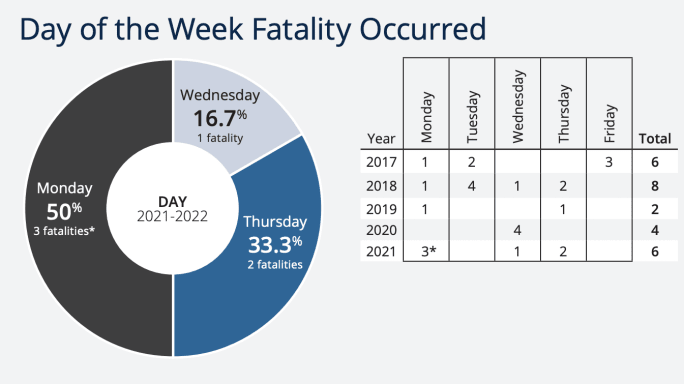
Half of loading and unloading fatalities occurred on a Monday.
Photo: Kansas Department of Education
Half of the fatalities occurred on a Monday. Historically, data reveals most recent fatalities happened during the first half of the week. In the last five years, six deaths have occurred on Mondays, Tuesdays, and Wednesdays. Five deaths happened on Thursdays, and three deaths occurred on Fridays.
One fatality happened in August 2021, one occurred in September, and one occurred in December. Two of the deaths happened in March 2022, and one occurred in April.
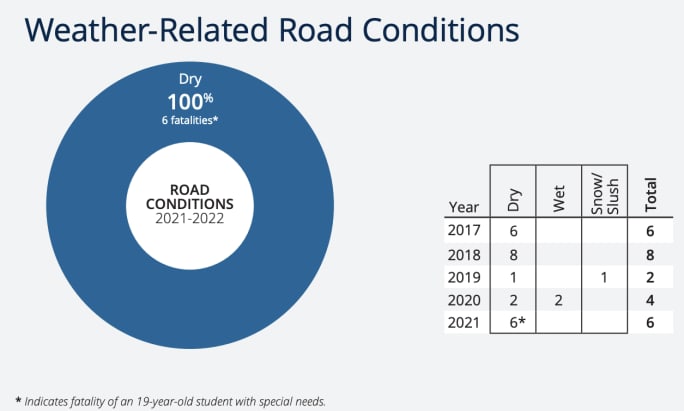
Weather conditions were not a factor in any loading and unloading fatalities.
Photo: Kansas Department of Education
In all six deaths, the weather conditions were clear and dry. Two fatalities happened during dawn, while the other four happened during daylight hours. In the last five years, the vast majority of deaths occurred during this time.
Four deaths occurred in urban areas, while two happened in rural areas. Three of the deaths were on city streets, two were on county roads, and one was on private property.
52-Year Summary
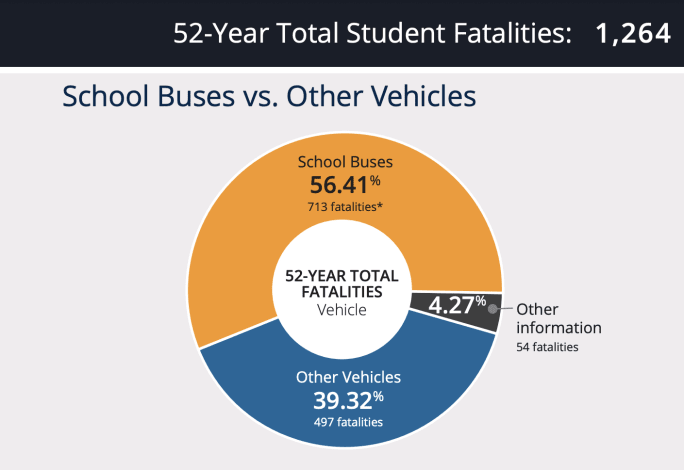
Over the history of the Kansas loading and unloading survey, more than half of deaths involved school buses versus other vehicles.
Photo: Kansas Department of Education
Over the history of the national survey, 1,264 students were killed during loading and unloading. The vehicle involved in more than half of deaths, 56% or 713, was a school bus versus 44% or 551 due to a passenger vehicle or another type of vehicle.
Nearly two-thirds of the deaths, or 809, occurred during the trip to school. One-third of the deaths, or 455, occurred either during the trip home or another time, like an activity.
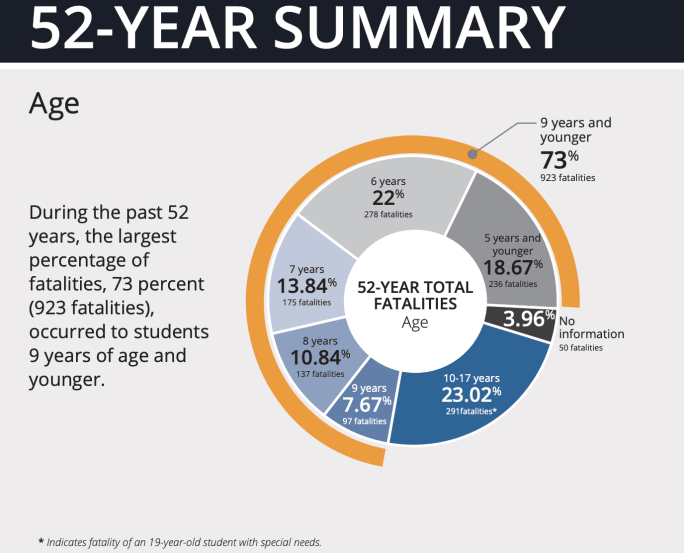
Nearly three-quarters of children killed loading and unloading school buses over the 52-year history of the annual survey were nine years of age and younger.
Photo: Kansas Department of Education
The largest percentage of fatalities, 73% or 923, occurred to students 9-years-old and younger. Deaths among students ages 10 through 17-years-old account for just over 23% of the total.
About the Survey
The Kansas State Department of Education has conducted the annual loading and unloading survey since 1970, collecting data on fatalities that occurred during loading and unloading, from participating states. Rhode Island and New Jersey did not participate in the 2021-2022 survey.
In all data images from the survey, the asterisk indicates the fatality of a 19-year-old student with disabilities.
More Safety

How to Build a Better School Bus Driver Training Program
Is it time to strengthen your driver training? Here’s how to pick the right talent and improve recruitment, retention, and safety. This video is brought to you by IC Bus.
Read More →
Recent School Bus Accidents Leave 2 Dead, 2 Injured
Four school bus crashes in Florida, Illinois, and Georgia highlight risks in transportation lots, at bus stops, and during student loading and unloading.
Read More →
Sponsored•September 8, 2026
When Every Second Matters, Clarity Keeps Routes Moving
From routine delays to urgent incidents, strong communication practices help drivers, dispatchers, schools, and families respond with confidence.
Read More →

What Happens When a School Bus Catches Fire — and What Can Help
School bus fires are rare but can be devastating. Learn how advances in fire suppression and asset protection help fleets detect fires earlier, reduce damage, and improve safety.
Read More →
Geotab Launches Tool to Help Fleets Investigate Road Incidents
Geotab Investigations combines telematics data, video, documents, and other evidence to help fleets reconstruct incidents, resolve claims, and determine what happened.
Read More →
Texas Sixth Grader Wins 2026 National School Bus Safety Poster Contest
Sai Darshana Yekolu of Moseley Middle School in Prosper, Texas, was named the newest winner for her artwork, bringing the theme of “Safe Rides, Everyday Heroes” to life.
Read More →
Sponsored•August 27, 2026
Doing More With Less: How Transportation Directors Can Prioritize Safety Amid Budget Uncertainty
With diesel prices soaring and nearly one-third of transportation directors expecting budget cuts, maintaining student safety has never been more challenging. Download this guide to learn how leading districts are prioritizing risk, funding critical safety technology, and building stronger budget cases with data.
Read More →
Walton County Schools Adds Gatekeeper Stop-Arm Enforcement System
The Florida district will deploy Gatekeeper’s updated Student Protector technology, which now incorporates AI to improve video evidence.
Read More →
How To Build a More Secure School Bus Yard During and After Hours
As thefts and overnight security threats continue, school transportation leaders are combining stronger operational practices with AI-enabled surveillance to better protect buses, facilities, and staff.
Read More →
FMCSA Names New Chief Safety Officer: What School Bus Operators Should Know
Steve Dowling is set to lead the federal agency's efforts to advance commercial motor vehicle safety and reduce crashes, fatalities, and injuries on the nation's roadways.
Read More →