




5 Questions: Keith Dreiling on Sharing School Bus Safety Passion, Data
Keith Dreiling, the state director of the Kansas Department of Education School Bus Safety Unit, discusses his passion for student safety and the changes that the department's renowned loading and unloading survey has undergone under his tenure.

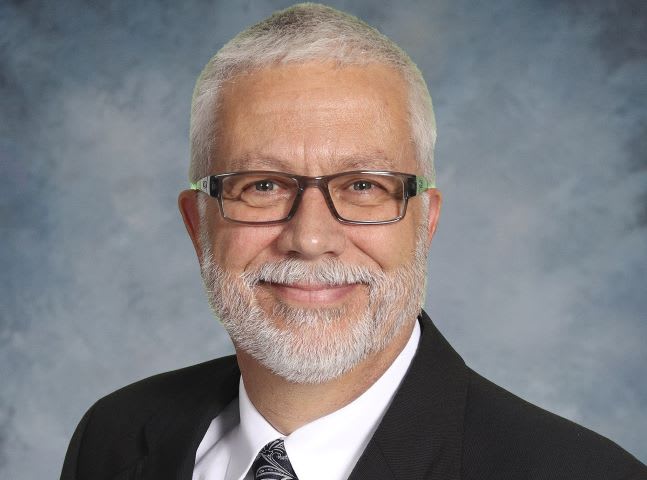
Keith Dreiling says that when interviewing, he realized that a job with the Kansas Department of Education School Bus Safety Unit “was an exceptional opportunity to work with great people.” Photo courtesy Keith Dreiling
Keith Dreiling says that when interviewing, he realized that a job with the Kansas Department of Education School Bus Safety Unit “was an exceptional opportunity to work with great people.”
Like many others in the industry, Keith Dreiling, the state director of the Kansas Department of Education School Bus Safety Unit, fell unexpectedly into the field of pupil transportation. He had served a full career as a state trooper with the Kansas Highway Patrol and, just after retiring, became interested in a job posting with the state Department of Education’s School Bus Safety Unit. After an interview, the instincts he had honed in his former career in law enforcement led him to pursue the opportunity.
In this interview with SBF, Dreiling discusses his passion for student safety and the changes that the renowned Kansas Department of Education School Bus Safety Unit’s National School Bus Loading and Unloading Survey has undergone under his tenure, and reveals his greatest accomplishment in 2019.
1. How did you get your start in pupil transportation?
Like most individuals who are involved in pupil transportation, it was happenstance. In the fall of 2012, I decided to retire from the Kansas Highway Patrol after 27-and-a-half years of service. After making my decision, I stumbled across a job posting for the Kansas State Department of Education’s (KSDE’s) School Bus Safety Unit and applied for the job. A couple of months later, I was contacted by KSDE to schedule an interview. By then, I had officially retired and had been off work for about a month.
Needless to say, my enthusiasm to return to work right away wasn’t what it had been when I originally applied for the job. However, considering I hadn’t interviewed for any type of job for 30 years, I decided the opportunity to gain some interview experience would be worthwhile.
Also, at that point in my life, I had decided if I went back to work, I could afford to be selective about whom I worked for.
As a Kansas state trooper, I had extensive experience and training in interviewing people in all kinds of situations and making quick decisions about them. During my interview with KSDE and my present-day boss, I quickly realized that the job was an exceptional opportunity to work with great people. I was offered and accepted the job, and here I am almost seven years later.
2. What do you like most about working in pupil transportation?
I like the passion for safety exhibited by all the professionals involved. This includes the bus drivers, monitors, dispatchers, mechanics, trainers, transportation directors, bus manufacturers, other supporting equipment manufacturers — the list goes on.
As I stated earlier, almost everyone involved in pupil transportation is a result of happenstance. When I started in this job, I relayed this sentiment to Mike Simmons, my counterpart in Arkansas. Simmons agreed, and stated that two things happen when you get involved with pupil transportation: A person either gets extremely passionate about the safety of the kids being transported every day or gets the heck out of the profession. I am still here, and I would like to think I share this passion for the safety of the kids.
3. How long have you been organizing and sharing the results of the KSDE School Bus Safety Unit’s National School Bus Loading and Unloading Survey?
Kansas has been publishing the National School Bus Loading and Unloading Survey for the past 49 years. I became the state director in 2013, and that was the first time I became aware of the survey and was involved with the collection of the data. The report is a collective effort involving a number of people, including the entire KSDE School Bus Safety Unit staff, KSDE Communications and Recognition Programs team, National Association of State Directors of Pupil Transportation Services (NASDPTS) board of directors, and all of the state directors who submit their data to us.
Some of the changes made since 2013 include updating the collection process by allowing state directors to submit their data electronically and a change in timelines so the report can be published in time for the annual NASDPTS conference. We have also organized the accumulative data from previous years and published it on our website.
4. What are some of the top issues for school transportation in 2020?
Driver recruitment and retention. Even with the anticipated postponement of the federal Entry Level Driver Training requirements, recruiting, retaining, and training new school bus drivers will continue to present unique challenges.
5. What was the highlight of 2019 for you?
My family is my greatest accomplishment — including the birth of my third grandchild (my second granddaughter), Teagan.
More Safety

How to Build a Better School Bus Driver Training Program
Is it time to strengthen your driver training? Here’s how to pick the right talent and improve recruitment, retention, and safety. This video is brought to you by IC Bus.
Read More →
Recent School Bus Accidents Leave 2 Dead, 2 Injured
Four school bus crashes in Florida, Illinois, and Georgia highlight risks in transportation lots, at bus stops, and during student loading and unloading.
Read More →
When Every Second Matters, Clarity Keeps Routes Moving
From routine delays to urgent incidents, strong communication practices help drivers, dispatchers, schools, and families respond with confidence.
Read More →

What Happens When a School Bus Catches Fire — and What Can Help
School bus fires are rare but can be devastating. Learn how advances in fire suppression and asset protection help fleets detect fires earlier, reduce damage, and improve safety.
Read More →
Geotab Launches Tool to Help Fleets Investigate Road Incidents
Geotab Investigations combines telematics data, video, documents, and other evidence to help fleets reconstruct incidents, resolve claims, and determine what happened.
Read More →
Texas Sixth Grader Wins 2026 National School Bus Safety Poster Contest
Sai Darshana Yekolu of Moseley Middle School in Prosper, Texas, was named the newest winner for her artwork, bringing the theme of “Safe Rides, Everyday Heroes” to life.
Read More →
Doing More With Less: How Transportation Directors Can Prioritize Safety Amid Budget Uncertainty
With diesel prices soaring and nearly one-third of transportation directors expecting budget cuts, maintaining student safety has never been more challenging. Download this guide to learn how leading districts are prioritizing risk, funding critical safety technology, and building stronger budget cases with data.
Read More →
Walton County Schools Adds Gatekeeper Stop-Arm Enforcement System
The Florida district will deploy Gatekeeper’s updated Student Protector technology, which now incorporates AI to improve video evidence.
Read More →
How To Build a More Secure School Bus Yard During and After Hours
As thefts and overnight security threats continue, school transportation leaders are combining stronger operational practices with AI-enabled surveillance to better protect buses, facilities, and staff.
Read More →
FMCSA Names New Chief Safety Officer: What School Bus Operators Should Know
Steve Dowling is set to lead the federal agency's efforts to advance commercial motor vehicle safety and reduce crashes, fatalities, and injuries on the nation's roadways.
Read More →