




CDC Releases Guidance for Reopening Schools, Social Distancing on School Buses
CDC Issues Mask Mandate for Public Transportation
The new requirement, which implements President Joe Biden’s Executive Order 13998, applies to all travelers on U.S. public transportation systems, including rail, van, bus, and motorcoach services.
by SBF Staff
February 1, 2021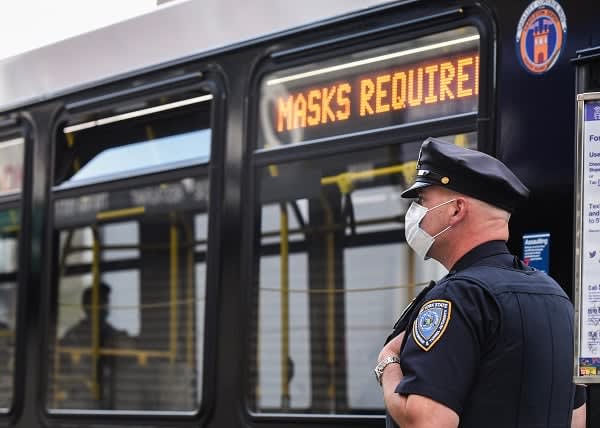
The new mask requirement, which implements President Joe Biden’s Executive Order 13998, applies to all travelers on U.S. public transportation systems, including rail, van, bus, and motorcoach services.
Photo courtesy Marc A. Hermann, MTA NYC Transit via Flickr
2 min to read
As the pandemic continues to surge, the Centers for Disease Control and Prevention (CDC) has issued an order imposing a mask requirement for all travelers on U.S. public transportation systems, including rail, van, bus, and motorcoach services, to mitigate the risk of COVID-19.
The CDC order, effective Tuesday, implements President Joe Biden’s Executive Order 13998, Promoting COVID-19 Safety in Domestic and International Travel, “to save lives and allow all Americans, including the millions of people employed in the transportation industry, to travel and work safely.”
The order states that individuals will be required to wear masks when traveling on conveyances, meaning “an aircraft, train, road vehicle, vessel … or other means of transport, including military,” into and within the U.S. Additionally, the order states that individuals must wear masks at public transportation hubs, including any fixed facility at which passengers are picked up or dropped off.
To further ensure safe travel, the order also states that operators of conveyances and transportation hubs must use best efforts to make sure individuals adhere to the new mask mandate. These efforts include:
Boarding/allowing entry only to those persons who wear masks.
Instructing persons that Federal law requires wearing a mask on the conveyance and/or at the transportation hub, and failure to do so constitutes a violation of Federal law.
Monitoring persons onboard the conveyance and/or on the premises of the transportation hub for anyone who is not wearing a mask and seeking compliance from such persons.
At the earliest convenience, removing any person who refuses to comply.
Providing persons with prominent and adequate notice to facilitate awareness and compliance of the requirement to wear a mask, including advance notifications on digital platforms, posted signage in multiple languages, or printing the requirement on transit tickets.
The categories of individuals who are exempt from the CDC order include:
Children under the age of 2 years.
A person with a disability who cannot wear a mask or cannot safely wear a mask because of their disability as defined by the Americans with Disabilities Act.
A person for whom wearing a mask would create a risk to workplace health, safety, or job duty as determined by the relevant workplace safety guidelines or federal regulations.
In addition to the CDC order, the Transportation Security Administration (TSA) anticipates issuing additional information and guidance on this topic. Meanwhile, the U.S. Department of Transportation has posted Frequently Asked Questions online and will continue to provide additional information about the order in the coming days.
More Management
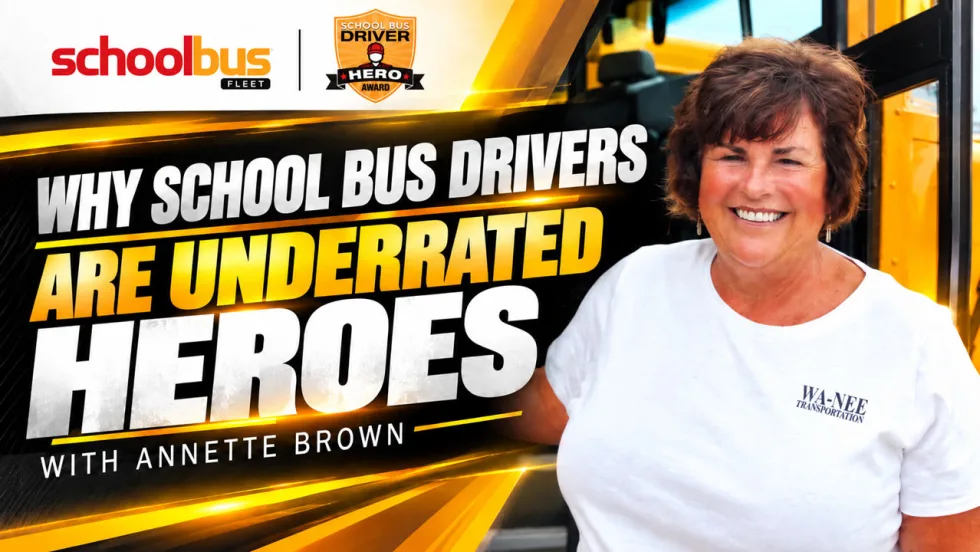
Meet the 2025 School Bus Driver Hero Winner: Annette Brown
We caught up with Wa-Nee Community Schools' Annette Brown on site at SBFX, where she was named the 2026 School Bus Driver Hero Award winner. Hear about her reaction, what she loves most about being a school bus driver, and more!
Read More →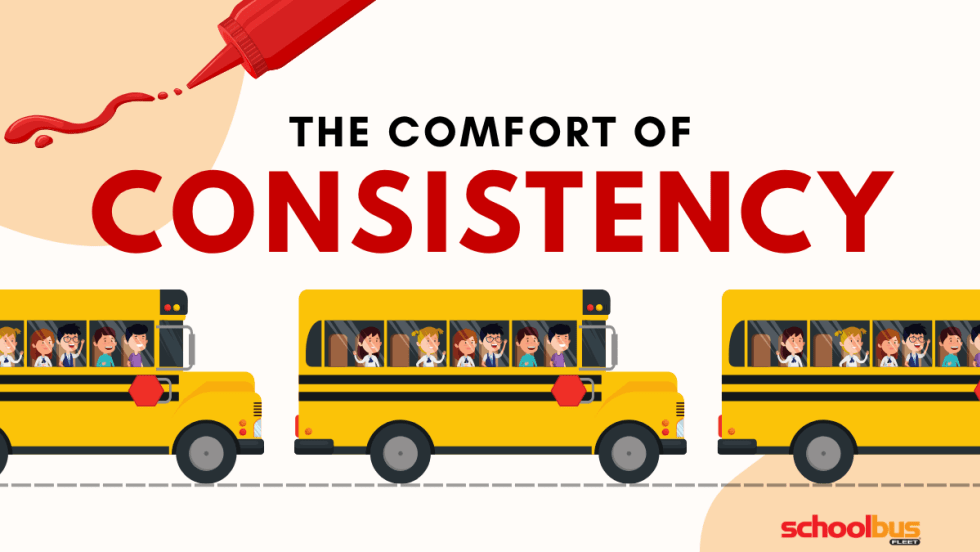
Predictability Is Like Ketchup (According to 6-Year-Olds)
To students, a different school bus can feel like a full-blown crisis. One driver reflects on why familiar routines, showing up on time, and being reliably boring matter more than we think.
Read More →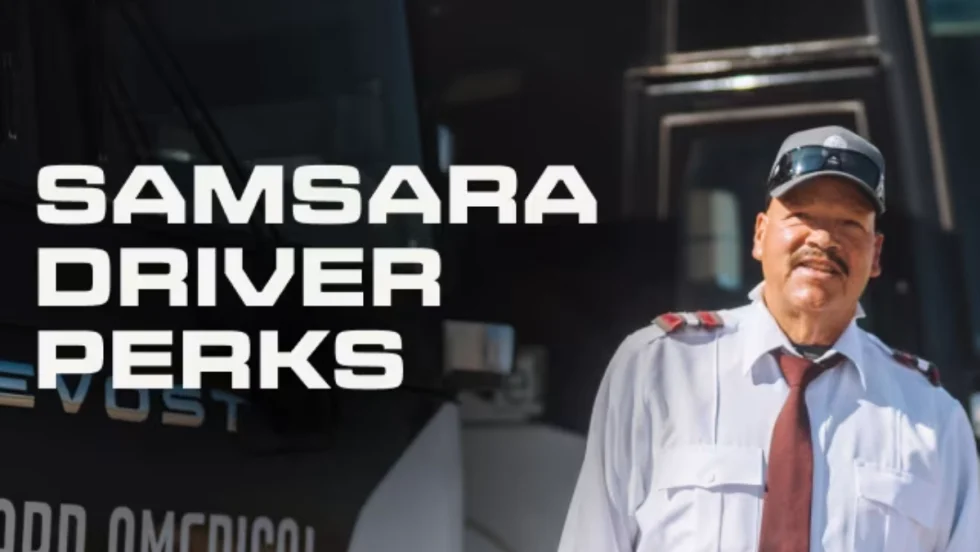
Samsara Launches Free Driver Rewards Program
The new Driver Perks program gives eligible professional drivers access to discounts and offers without adding a cost for participating fleets.
Read More →
How Tax-Exempt Municipal Leases Can Help Finance School Buses
Let’s explore school bus financing options, including municipal leases, vendor payable accounts, and balloon payments, and how they can help stretch fleet budgets.
Read More →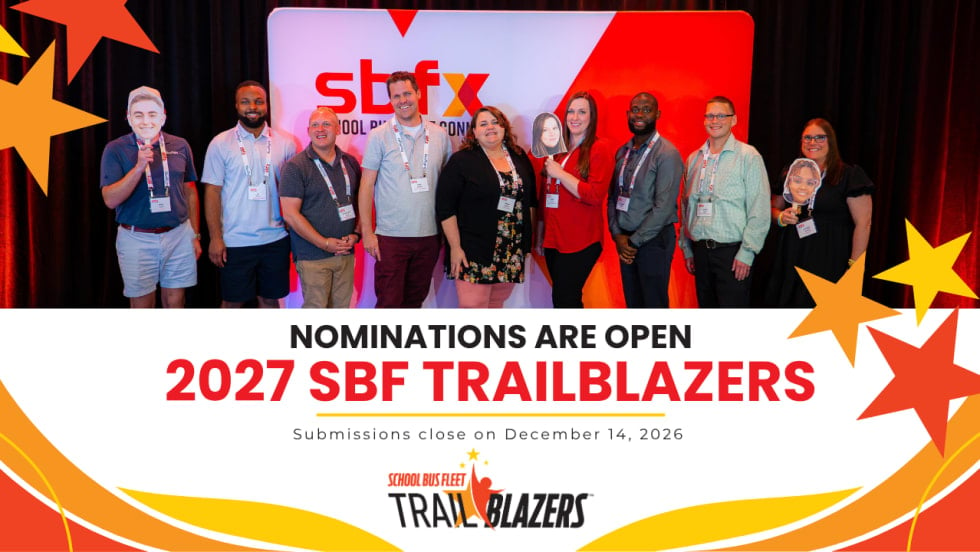
Nominate Rising School Transportation Pros Under 40!
We’re searching for the next generation of leaders making an impact across the K-12 student transportation industry to recognize as SBF’s 2027 Trailblazers. Nominations are open now!
Read More →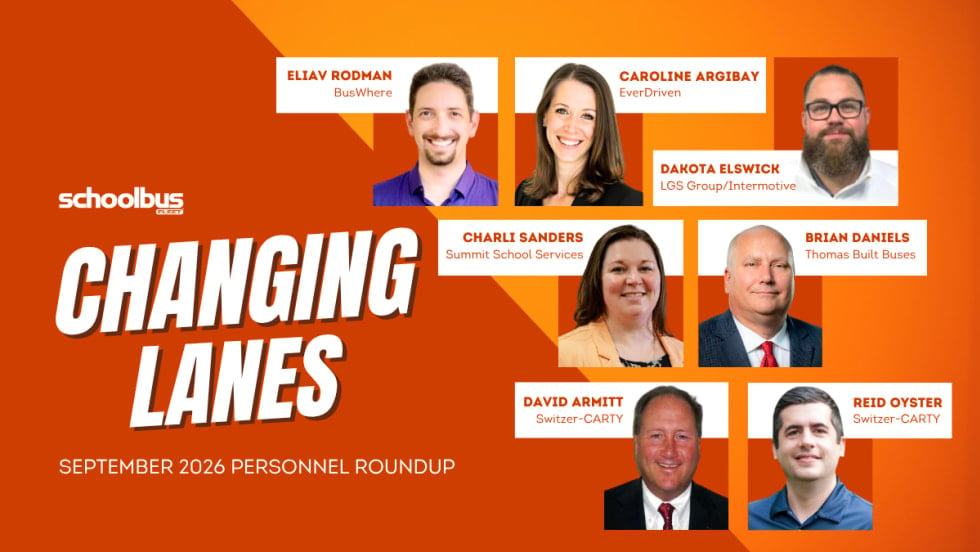
Changing Lanes: BusWhere, EverDriven, InterMotive, Summit School Services, Switzer-Carty & Thomas Built Buses
Check out who's been hired, promoted, and appointed to leadership positions at various school transportation suppliers, contractors, and manufacturers.
Read More →
The Most Expensive Thing You Do Before Selling a School Bus: Wait
When should you sell an aging school bus? Learn how maintenance, mileage, corrosion, specifications, and timing can affect resale value long before the auction.
Read More →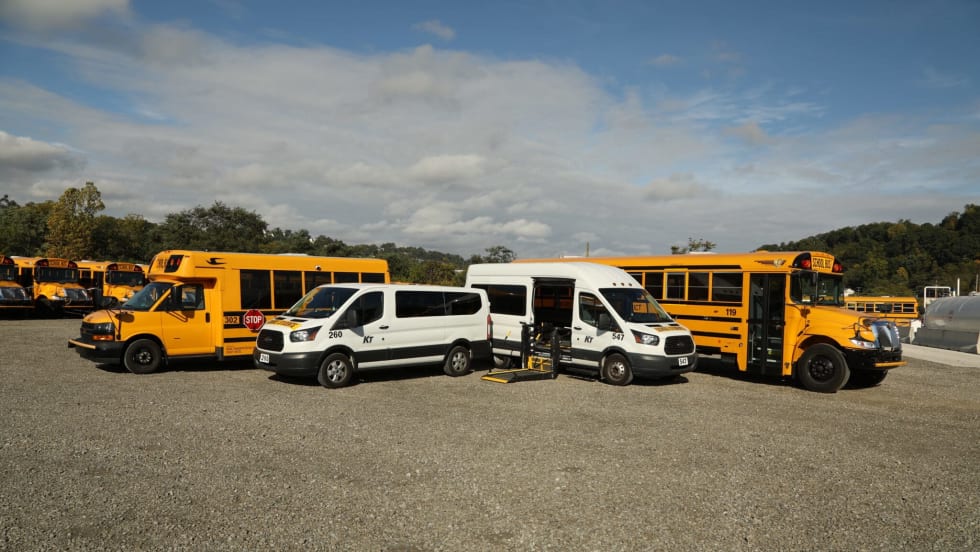
American Student Transportation Partners Acquires AJ Myers and Sons
A new deal brings a 75-year Pennsylvania student transportation provider into one of the nation’s largest private school bus contracting groups.
Read More →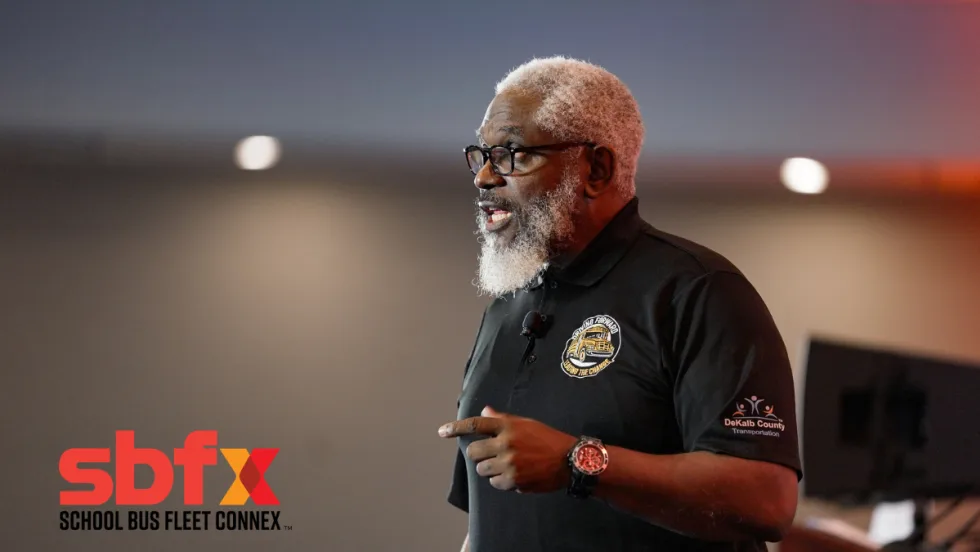
What I Brought Home From SBFX: Relationships, Leadership, and Preparing What's Next
Who could lead your transportation operation tomorrow if you couldn't? Bernando Brown explores succession planning, mentorship, and preparing emerging leaders to step up.
Read More →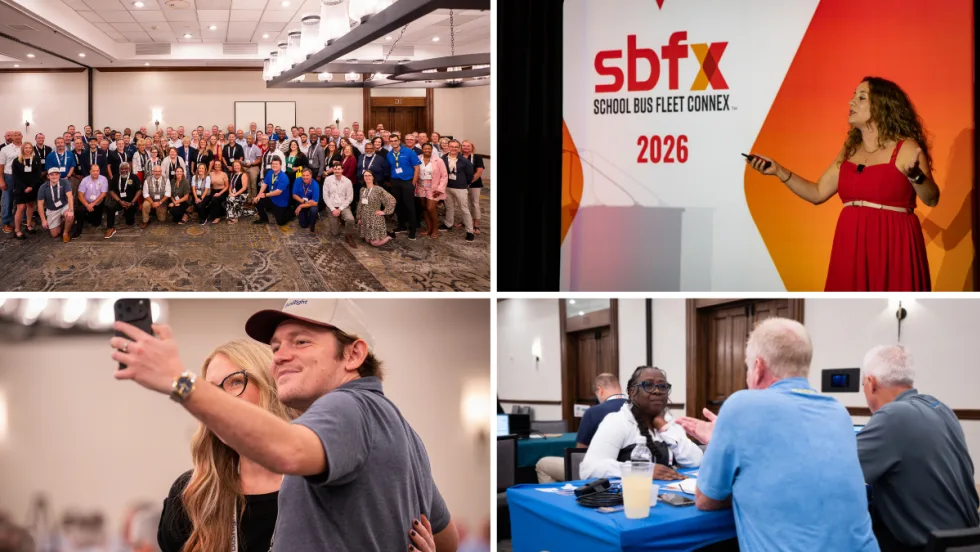
Inside School Bus Fleet ConneX 2026: Industry Leaders Connect in Scottsdale [Photos]
See highlights from SBFX 2026 in Arizona, where school bus operators and suppliers gathered for meetings, education, networking, awards, and more.
Read More →