




Related: 8 Tips for Cleaning School Buses in the Age of Coronavirus
CDC Releases Guidance for Reopening Schools, Social Distancing on School Buses
The recommendations include seating one student every other row, increased cleaning and disinfecting of buses, and drivers wearing cloth masks.

Nicole Schlosser・Former Executive Editor
2 min to read
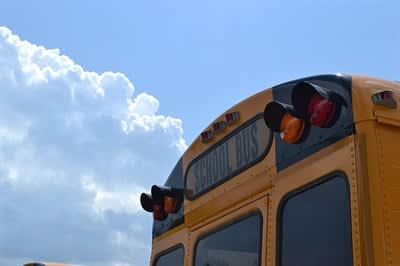
New CDC recommendations include seating one student every other row in school buses, increased cleaning and disinfecting of buses and drivers wearing cloth masks. File photo
The Centers for Disease Control and Prevention (CDC) has released guidance on how to determine whether to reopen schools amid the COVID-19 pandemic and recommended safety practices, including on school buses.
The guidance, which was updated on the agency’s website on Tuesday, includes a decision tree designed to help school officials decide whether to reopen. It addresses considerations such as whether schools are prepared to:
Be consistent with state and local orders.
Screen students and employees on arrival for COVID-19 symptoms and history of exposure. Communicate and monitor developments with local authorities, employees, and families regarding cases and exposure.
Put more health and safety practices in place such as frequent hand washing, employees wearing cloth masks, and intensifying cleaning, disinfection, and ventilation.
Encourage social distancing.
Train employees on the practices mentioned above.
Additionally, the CDC recommends in its updated safety practices for schools and the school environment measures applicable to school buses:
Cleaning and disinfecting frequently touched surfaces on school buses at least daily or between uses as much as possible.
Drivers following the same practices that the CDC recommends to bus transit operators.
Drivers wearing cloth masks and practicing frequent hand washing.
Increasing distance between students on the bus by seating one student per row in every other row of seats when possible. (See modified layouts section.)
The CDC also recommends staggering arrival and drop-off times and establishing procedures to “limit contact between cohorts and direct contact with parents as much as possible.”
More Safety

How to Build a Better School Bus Driver Training Program
Is it time to strengthen your driver training? Here’s how to pick the right talent and improve recruitment, retention, and safety. This video is brought to you by IC Bus.
Read More →
Recent School Bus Accidents Leave 2 Dead, 2 Injured
Four school bus crashes in Florida, Illinois, and Georgia highlight risks in transportation lots, at bus stops, and during student loading and unloading.
Read More →
Sponsored•September 8, 2026
When Every Second Matters, Clarity Keeps Routes Moving
From routine delays to urgent incidents, strong communication practices help drivers, dispatchers, schools, and families respond with confidence.
Read More →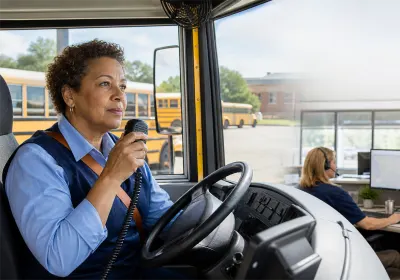

What Happens When a School Bus Catches Fire — and What Can Help
School bus fires are rare but can be devastating. Learn how advances in fire suppression and asset protection help fleets detect fires earlier, reduce damage, and improve safety.
Read More →
Geotab Launches Tool to Help Fleets Investigate Road Incidents
Geotab Investigations combines telematics data, video, documents, and other evidence to help fleets reconstruct incidents, resolve claims, and determine what happened.
Read More →
Texas Sixth Grader Wins 2026 National School Bus Safety Poster Contest
Sai Darshana Yekolu of Moseley Middle School in Prosper, Texas, was named the newest winner for her artwork, bringing the theme of “Safe Rides, Everyday Heroes” to life.
Read More →
Sponsored•August 27, 2026
Doing More With Less: How Transportation Directors Can Prioritize Safety Amid Budget Uncertainty
With diesel prices soaring and nearly one-third of transportation directors expecting budget cuts, maintaining student safety has never been more challenging. Download this guide to learn how leading districts are prioritizing risk, funding critical safety technology, and building stronger budget cases with data.
Read More →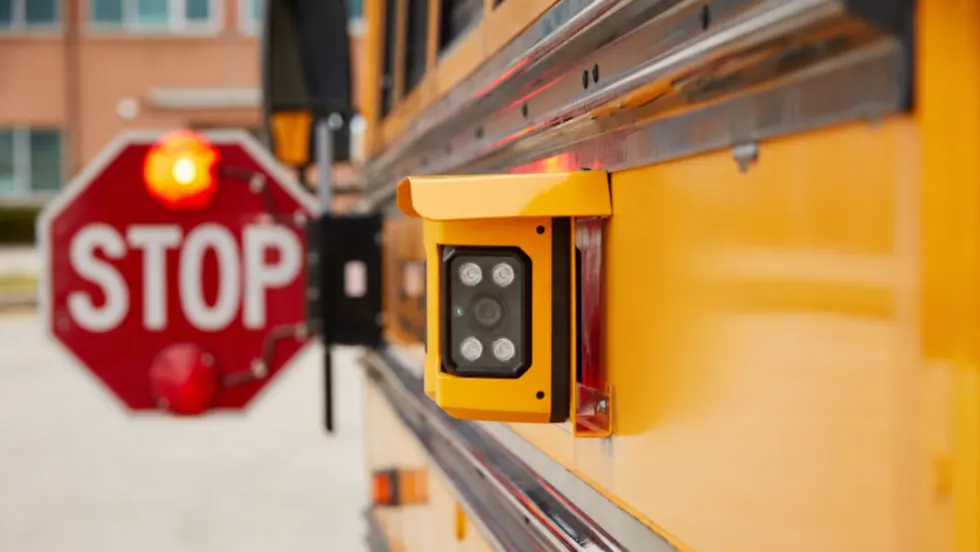
Walton County Schools Adds Gatekeeper Stop-Arm Enforcement System
The Florida district will deploy Gatekeeper’s updated Student Protector technology, which now incorporates AI to improve video evidence.
Read More →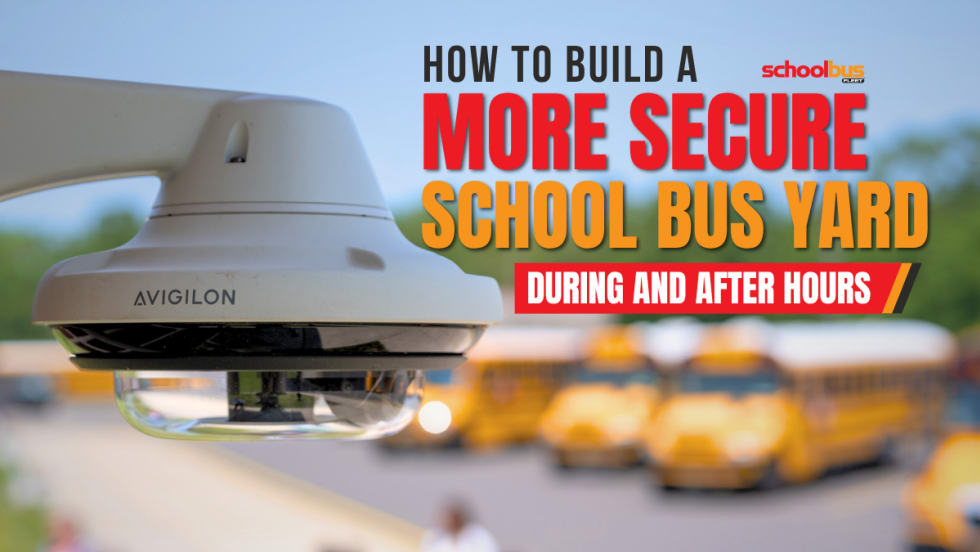
How To Build a More Secure School Bus Yard During and After Hours
As thefts and overnight security threats continue, school transportation leaders are combining stronger operational practices with AI-enabled surveillance to better protect buses, facilities, and staff.
Read More →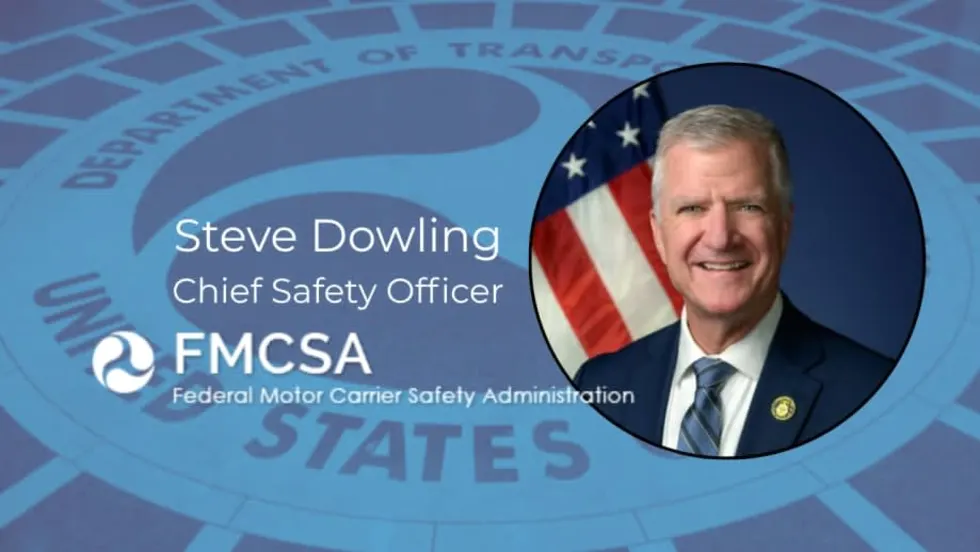
FMCSA Names New Chief Safety Officer: What School Bus Operators Should Know
Steve Dowling is set to lead the federal agency's efforts to advance commercial motor vehicle safety and reduce crashes, fatalities, and injuries on the nation's roadways.
Read More →