




Motorcoach, School Bus Industries Question Why the CERTS Act is Being Ignored
NSTA Urges CDC to Classify School Bus Drivers as High Priority for COVID Vaccine Access
The association submits comments and testifies in a virtual meeting held by the Centers for Disease Control and Prevention.
by SBF Staff
November 23, 2020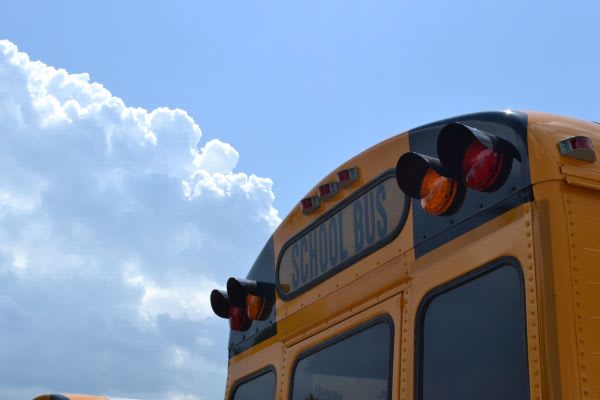
The National School Transportation Association submitted comments and testified in a meeting held by the Centers for Disease Control and Prevention, calling for school bus drivers to be classified as a high priority in COVID-19 vaccine allocations.
File photo
4 min to read
The National School Transportation Association (NSTA) is calling for school bus drivers to be classified as a high priority in federal recommendations for COVID-19 vaccine allocations.
The NSTA submitted on Monday comments to the Advisory Committee on Immunization Practices (ACIP) in support of school bus drivers being classified as a high priority in the ACIP recommendations for Phased Allocation of COVID-19 Vaccines, according to a news release from the NSTA.
The NSTA gave the testimony during the committee’s November 2020 meeting, which was held virtually on Monday by the Centers for Disease Control and Prevention (CDC).
Private school bus transportation companies account for 38% of bus service for school districts around the country, employing over 250,000 individuals. Industrywide, almost 26 million students are transported to and from school daily, utilizing nearly 500,000 school buses.
In its testimony, NSTA estimated that 5% to 10% of industry bus drivers are currently sidelined by the COVID-19 pandemic, and these numbers continue to rise. The statistics include drivers who are infected, exposed, and quarantined, as well as those who have taken a leave of absence. NSTA also estimates that approximately 33% of school bus drivers are 60 or older, and some are driving in a part-time capacity.
Also bolstering the NSTA position is the fact that school bus drivers are included on the Cybersecurity and Infrastructure Security Agency (CISA) list of Essential Critical Infrastructure Workers. School bus drivers are listed in both the Education and the Transportation sections of the latest version of this document from August 2020. The inclusion of school bus drivers on this list indicates that CISA considers them critical to the nation’s infrastructure, and NSTA believes the previous CISA action further supports the inclusion of school bus drivers as a priority occupation for the phased allocation of a COVID-19 vaccine.
“NSTA believes school bus drivers deserve high priority in COVID-19 vaccine distribution because of the critical importance of their jobs to safely transport children to and from school and to continue to be able to deliver school nutrition supplies and Wi-Fi to students learning from home,” Curt Macysyn, NSTA’s executive director, said in his testimony. “CISA has already included them on their list of Essential Critical Infrastructure Workers.”
With one-third of the school bus driver workforce being over the age of 60, as Macysyn noted in the NSTA’s comments, and with many falling into the “high risk” category, the urgent need to be granted priority treatment is clear. In addition, providing high priority for bus drivers will also help in efforts to retain drivers, as well as recruit new drivers. Without a healthy and robust force of school bus drivers, more children may be forced into less safe ways to get to and from school, and many will have no safe way to get to school at all, according to the NSTA.
School bus transportation is among the most regulated forms of transportation in the country at federal and state levels, and rightfully so, given its important place within the educational infrastructure, Macysyn added in the comments. These elements combined contribute to ensuring student transportation’s extraordinary safety record. Because of that record, NSTA consistently supports access to the school bus for as many children as possible. In some cases, the yellow bus provides the only access to education for schoolchildren in rural and urban areas.
NSTA remains hopeful that all children can fully return to the benefit of in-class learning in the early months of 2021, and immunizing school bus drivers will clearly facilitate that process, according to the association’s news release. School bus operators must be ready to provide those students the safe, effective, reliable yellow school bus transportation that 26 million of them have come to depend on. For those children, their trained and skilled professional school bus driver is the first person they see each morning, and well as the last person after their school day concludes. Right now, it is critical to ensure the continued viability of school bus transportation for these children that rely on the yellow school bus.
“NSTA urges ACIP to recommend priority access to the COVID-19 vaccine for school bus drivers, so that parents and students alike can continue to rely on the yellow bus as the safest method of getting to school,” Macysyn said in his testimony.
More Safety

How to Build a Better School Bus Driver Training Program
Is it time to strengthen your driver training? Here’s how to pick the right talent and improve recruitment, retention, and safety. This video is brought to you by IC Bus.
Read More →
Recent School Bus Accidents Leave 2 Dead, 2 Injured
Four school bus crashes in Florida, Illinois, and Georgia highlight risks in transportation lots, at bus stops, and during student loading and unloading.
Read More →
Sponsored•September 8, 2026
When Every Second Matters, Clarity Keeps Routes Moving
From routine delays to urgent incidents, strong communication practices help drivers, dispatchers, schools, and families respond with confidence.
Read More →

What Happens When a School Bus Catches Fire — and What Can Help
School bus fires are rare but can be devastating. Learn how advances in fire suppression and asset protection help fleets detect fires earlier, reduce damage, and improve safety.
Read More →
Geotab Launches Tool to Help Fleets Investigate Road Incidents
Geotab Investigations combines telematics data, video, documents, and other evidence to help fleets reconstruct incidents, resolve claims, and determine what happened.
Read More →
Texas Sixth Grader Wins 2026 National School Bus Safety Poster Contest
Sai Darshana Yekolu of Moseley Middle School in Prosper, Texas, was named the newest winner for her artwork, bringing the theme of “Safe Rides, Everyday Heroes” to life.
Read More →
Sponsored•August 27, 2026
Doing More With Less: How Transportation Directors Can Prioritize Safety Amid Budget Uncertainty
With diesel prices soaring and nearly one-third of transportation directors expecting budget cuts, maintaining student safety has never been more challenging. Download this guide to learn how leading districts are prioritizing risk, funding critical safety technology, and building stronger budget cases with data.
Read More →
Walton County Schools Adds Gatekeeper Stop-Arm Enforcement System
The Florida district will deploy Gatekeeper’s updated Student Protector technology, which now incorporates AI to improve video evidence.
Read More →
How To Build a More Secure School Bus Yard During and After Hours
As thefts and overnight security threats continue, school transportation leaders are combining stronger operational practices with AI-enabled surveillance to better protect buses, facilities, and staff.
Read More →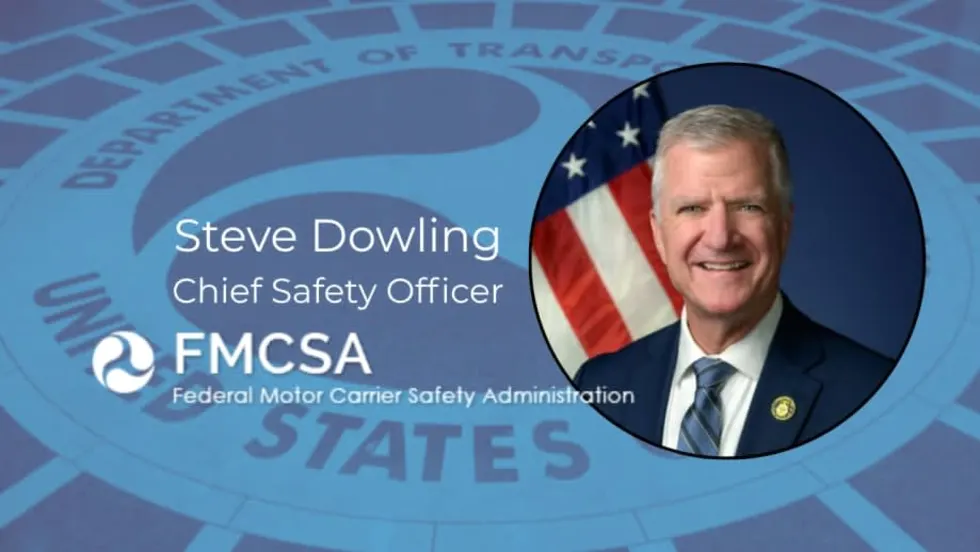
FMCSA Names New Chief Safety Officer: What School Bus Operators Should Know
Steve Dowling is set to lead the federal agency's efforts to advance commercial motor vehicle safety and reduce crashes, fatalities, and injuries on the nation's roadways.
Read More →