The manufacturer has been building school buses in the former B-24 bomber plant for 10 years now. Plant Manager Greg Hutchison, an auto industry veteran who came to the facility in September, tells SBF about changes that have increased quality and volume while keeping staffing levels consistent.
Thomas McMahon・Executive Editor
March 26, 2012
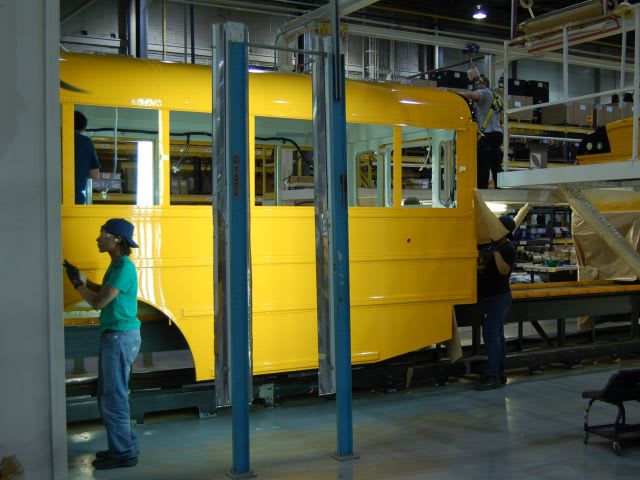
IC Bus builds its various school bus bodies and chassis in its mile-long plant in Tulsa, Okla.
2 min to read
TULSA, Okla. — More than 10 years after the company began building school buses in a former B-24 bomber plant here, IC Bus' Tulsa operation is still flying high.
Plant Manager Greg Hutchison, an auto industry veteran who came to the facility in September, has implemented changes to increase quality and volume.
Ad Loading...
IC Bus builds its various school bus bodies and chassis in the mile-long plant, which employs roughly 1,200 people.
Hutchison told SBF during a recent visit to the facility that one of his goals has been to "simplify and standardize what we do."
One key change has been the creation of a side assembly line for the company's rear-engine school buses, which Hutchison said has resulted in an 80-percent improvement in quality.
The Tulsa operation has also increased production under Hutchison's watch, even though staffing levels have stayed consistent and overtime has been cut down.
"In 10 years of operation, the plant has never reduced our permanent employee base and has experienced consistent growth," he noted.
Ad Loading...
The operation is now on a single 40-hour shift. Hutchison said that increases in production volume are planned for the second quarter of this year to meet increasing customer demand.
There are more growth opportunities on the horizon. In June, the Tulsa plant will begin building IC Bus' new AE series, the fully integrated Type A school bus that was previewed at the 2010 conference of the National Association for Pupil Transportation.
The Tulsa facility was built in 1941 to manufacture B-24 bombers, which were used by Allied forces in World War II.
The plant and its employees have also made improvements to their safety culture in recent years. In 2009 and again in 2010, they reached 1 million work hours without a lost-time injury case.
One noteworthy element of the workforce is the Bridges program, which creates job opportunities for individuals with developmental disabilities.
"They do some sequencing of parts and light assembly," Hutchison said.
Ad Loading...
The Tulsa facility was built in 1941 to manufacture B-24 bombers, which were used by Allied forces in World War II.
The plant had been sitting idle when IC Bus took it over, launching school bus production in 2001. An event was held last year to celebrate the operation's 10th anniversary.
Bendix’s 2026 training program will bring in-person and virtual brake system courses to technicians across the country, focusing on air brake fundamentals and advanced safety technologies.
As gasoline use rises, maintenance teams face tighter budgets, limited training, and slow wage growth. This and more trends and analysis in our annual survey report. Survey sponsor: Dayton Parts.
APEX by BendPak expands its tire service lineup with new swing-arm tire changers and wheel balancers designed for school bus and light-duty fleet maintenance operations.
What if your fleet technology actually worked together? Learn eight practical strategies to integrate multiple systems into one platform, unlocking clearer insights, stronger safety standards, and smoother daily operations.
Keeping buses safe, reliable, and on schedule requires more than manual processes. This eBook explores how modern fleet software supports school transportation teams with automated maintenance scheduling, smarter video safety tools, and integrated data systems. Discover practical ways fleets are reducing breakdowns, improving safety, and saving valuable staff time.
Calling transportation directors, fleet managers, and shop leads! School Bus Fleet’s annual Maintenance Survey, sponsored by Dorman Products, is open and closes at the end of January.
With alternative fuels on the rise, PERC’s grant program helps schools prepare students for careers maintaining low-emission fleets through hands-on training and equipment funding.