





Related News: 2025 Brake Safety Week: What School Bus Fleets Need to Know
Bendix Announces 2026 Brake Training Sessions
Bendix’s 2026 training program will bring in-person and virtual brake system courses to technicians across the country, focusing on air brake fundamentals and advanced safety technologies.
February 25, 2026
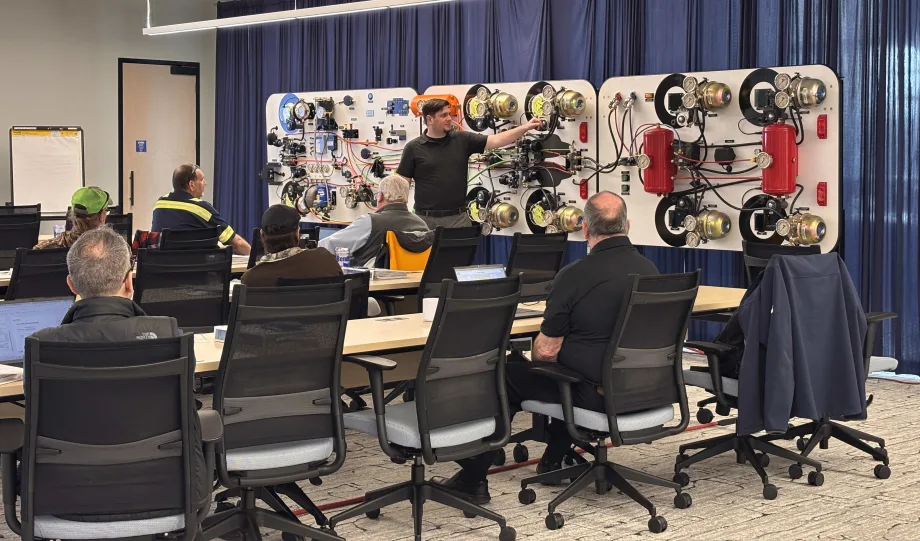
Bendix’s 2026 technical training schedule includes in-person and virtual courses covering air brake systems and advanced vehicle safety technologies for fleet technicians.
Credit:
Bendix Commercial Vehicle Systems LLC
2 min to read
- Bendix's 2026 program will offer both in-person and virtual courses for brake system training.
- The program targets technicians nationwide, enhancing their skills in brake technologies.
- The courses will emphasize air brake fundamentals and advanced safety technologies.
*Summarized by AI
Bendix Commercial Vehicle Systems has released its 2026 technical training schedule, which includes 23 in-person classes across 11 states and two virtual sessions. The multiday courses will run from March through November and are open to fleet technicians, owner-operators, and others responsible for maintaining commercial vehicles.
The schedule includes 16 sessions of the three-day Air Brake Training course and seven sessions of the two-day Advanced Technology Training course. Two additional three-day virtual sessions will be offered, scheduled to accommodate multiple U.S. time zones. All classes are led by members of the Bendix Tech Training Team, headed by a Master-level, ASE-certified trainer.
“Technical education is more important than ever,” said Nicole Oreskovic, vice president of sales and marketing at Bendix, noting the growing complexity of braking and safety systems.
Course Content And Structure
The three-day Air Brake Training course is designed for both new and experienced technicians. It covers the operation, troubleshooting, and service of dual air brake systems, including compressed air fundamentals, failure diagnosis, and components such as compressors, valves, drum brakes, and air disc brakes. The course also introduces electronic braking system and air treatment technologies. Bendix recommends completing its online air brake training before attending the in-person class.
The two-day Advanced Technology Training course focuses on advanced safety systems and related software. Topics include antilock braking systems, lane departure warning systems, electronic stability control, collision mitigation technologies, driver assistance systems, tire pressure monitoring systems, and electronic braking and air treatment systems. The program includes hands-on instruction for air disc brake maintenance and electrical diagnostics.
“The increase in technological advances in braking and stability makes this training important for advanced technicians,” said Brian Screeton, manager of technical training and service.
Participants in both in-person courses may take an optional written test at the conclusion of class. Those who pass receive a Tested and Passed certificate; others receive a Certificate of Completion. Bendix notes that the training and optional test are not affiliated with the U.S. Department of Transportation and do not replace DOT certification requirements.
Registration Information
Bendix recommends participants complete the three-day Air Brake Training course or, at minimum, the online air brake training before enrolling in the Advanced Technology Training course.
Enrollment costs are $525 for Air Brake Training, $475 for Advanced Technology Training, and $425 for the virtual class. Registration is first come, first served, and class size is limited. Visit the Bendix website for a full list of course offerings.
Quick Answers
Bendix will offer both in-person and virtual courses focusing on air brake fundamentals and advanced safety technologies.
*Summarized by AI
More Maintenance
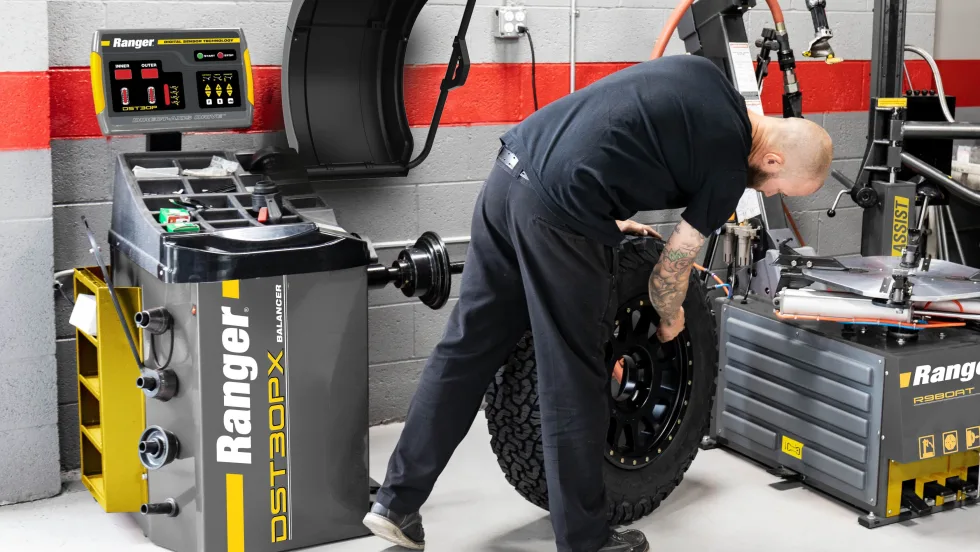
BendPak Launches Ranger DST30PX Wheel Balancer
BendPak's new wheel balancer handles tires up to 43 inches in diameter, with a reinforced design, precise weight placement, and faster service cycles.
Read More →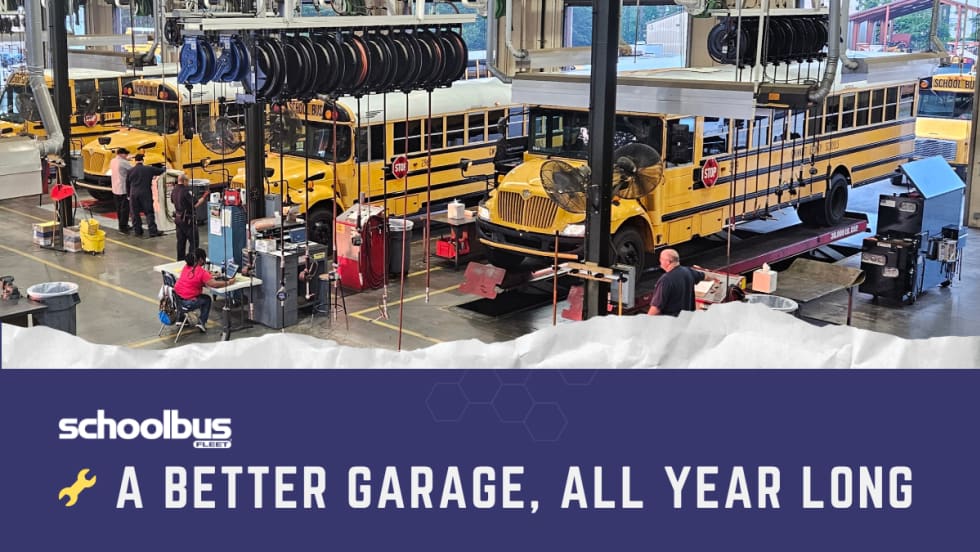
Tips for Ensuring School Bus Garages Are Safe and Warm Year-Round
Cold maintenance bays and rising heating costs? Learn how school bus garages can improve comfort with targeted heating, better airflow, and winter preparation.
Read More →
ASE Highlights School Bus Technician Certification Requirements
ASE is encouraging school bus maintenance professionals to maintain their certifications, highlighting seven specialized tests and five-year renewal requirements.
Read More →
International Adds E-Commerce Capabilities to Fleetrite.com
IC Bus customers can now browse, buy, and track shipments for more than 400,000 aftermarket parts online.
Read More →
The Most Expensive Thing You Do Before Selling a School Bus: Wait
When should you sell an aging school bus? Learn how maintenance, mileage, corrosion, specifications, and timing can affect resale value long before the auction.
Read More →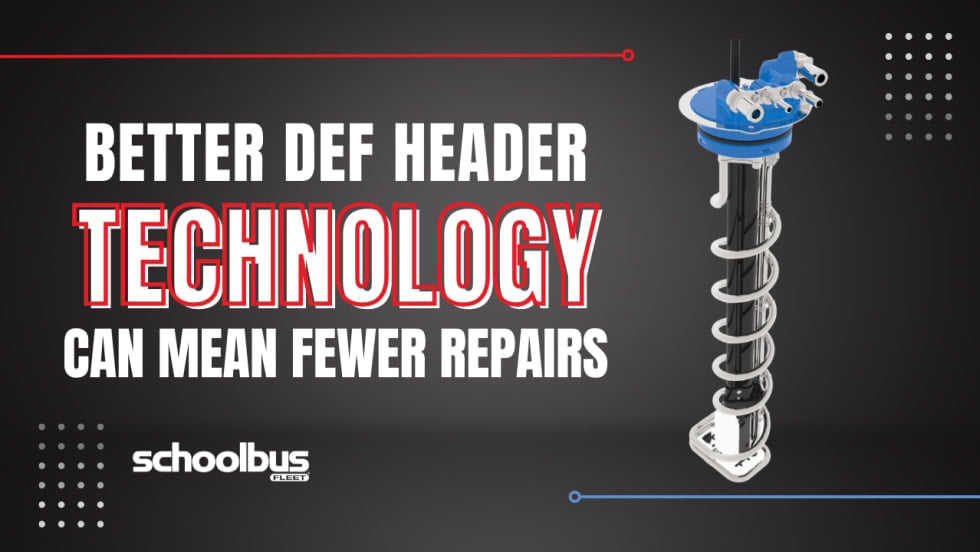
The Evolution of DEF Header Technology: What School Bus Operations Should Know at Replacement Time
See what school bus fleets should consider when replacing DEF headers to improve reliability, reduce repeat repairs, and control maintenance costs.
Read More →
Sponsored•September 8, 2026
The Essential Guide to School Bus Maintenance and Student Safety
Your district's buses carry students to school every day. This guide shows how predictive maintenance powered by fleet data helps keep buses reliable, drivers accountable and students safer from the first bell to the last stop.
Read More →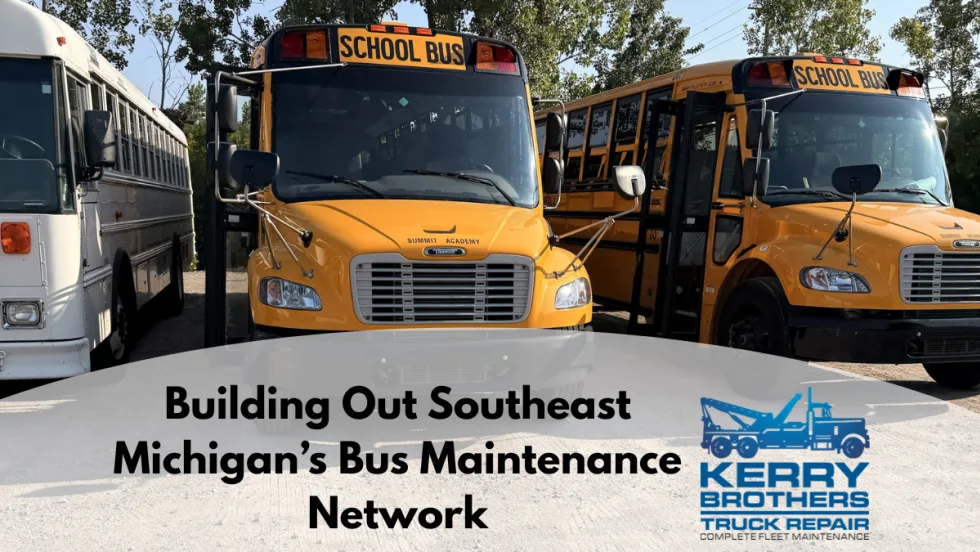
Kerry Brothers Grows Michigan School Bus Repair Network
The acquisition of Downriver Truck and Bus expands Kerry Brothers’ school bus maintenance footprint across southeast Michigan, adding repair capacity, diagnostic resources, and state inspection support.
Read More →
Noregon Introduces CAN Bus Diagnostic Tool, Expands JPRO Features
CAN Mentor and the latest JPRO update aim to simplify vehicle network diagnostics and improve repair efficiency for technicians of all experience levels.
Read More →
Cummins on Smarter, Simpler Engine Innovation
Cummins discusses its first-ever gasoline engine for school buses, EPA 2027, and why bus fleets still want durable, simpler internal combustion options.
Read More →