




Wolfington to Offer Fogmaker Fire Suppression
The school bus dealer and contractor will distribute, service, and install USSC Group’s Fogmaker systems.

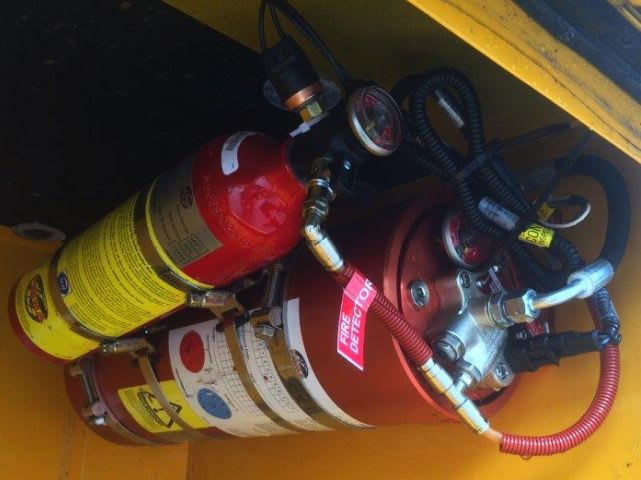
Wolfington Body Co. will distribute, service, and install Fogmaker fire suppression systems, seen here on a school bus.
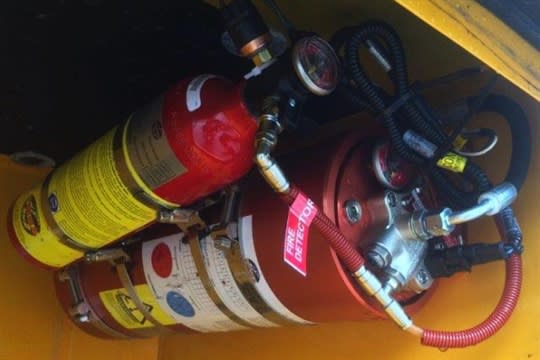
Wolfington Body Co. will distribute, service, and install Fogmaker fire suppression systems, seen here on a school bus.
EXTON, Pa. — Wolfington Body Co. has signed on as a distributor of Fogmaker fire suppression systems, the companies announced on Tuesday.
Wolfington is a school bus dealer and contractor in Pennsylvania, Delaware, and New Jersey. The company will now also distribute, service, and install USSC Group’s Fogmaker systems.
“We are excited about our relationship with Fogmaker North America, and we are 100% committed to educating school districts on the benefits of the fire suppression system on all buses,” said Richard Wolfington Jr., president of Wolfington Body Co. “Going forward, we plan on using the Fogmaker fire suppression system as a standard practice for our fleet of school buses.”
According to a recent federal study, school bus fires in the U.S. occur slightly more than daily, and most of them start in the engine area, running gear, or wheel area of the vehicle.
Fogmaker uses water mist to suppress fires by displacing oxygen and reducing the ambient temperature to prevent re-ignition. It also blankets fuel sources with a biodegradable, non-toxic foam.
“We are thrilled that Wolfington Body Company has taken this important step to not only add additional safety to their fleet, but partner with Fogmaker to raise awareness of this critically important safety issue,” said Kent Tyler, vice president of Fogmaker North America. “Our patented Fogmaker technology is designed to not only automatically suppress these thermal events, but also provide additional time for occupants to safely evacuate the bus.”
More Safety

HopSkipDrive Reports Progress on Safety Advisory Council
More than a year after forming the council, independent safety experts have helped shape new rider-safety features and policy progress, with a new goal to address rider behavior.
Read More →
What the 2026 National School Bus Safety Month Resolution Means for Student Transportation
The bipartisan resolution highlights illegal school bus passing, student safety during loading and unloading, and the need for driver training and public education.
Read More →
School Bus Stop-Arm Violations Decline 53% Across Verra Mobility Programs
Verra Mobility shares how school bus stop-arm cameras and school zone safety programs are changing driver behavior, reducing violations, and protecting students.
Read More →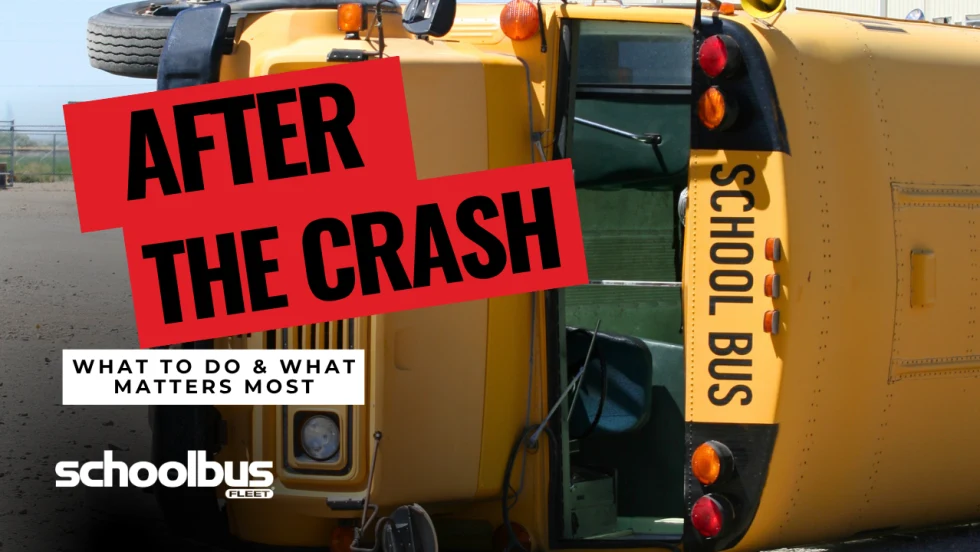
Most Bus Crashes Aren’t Your Fault. Here’s How to Prove It.
A guide for what to do in between a school bus crash and a claim: what to preserve, who to notify, and how to keep the facts available when they matter.
Read More →
National School Bus Safety Week 2026: Tips, Toolkits & Resources to Keep Students Safe
School bus safety takes more than awareness. Explore expert tips, enforcement strategies, and free resources to help protect students on every ride.
Read More →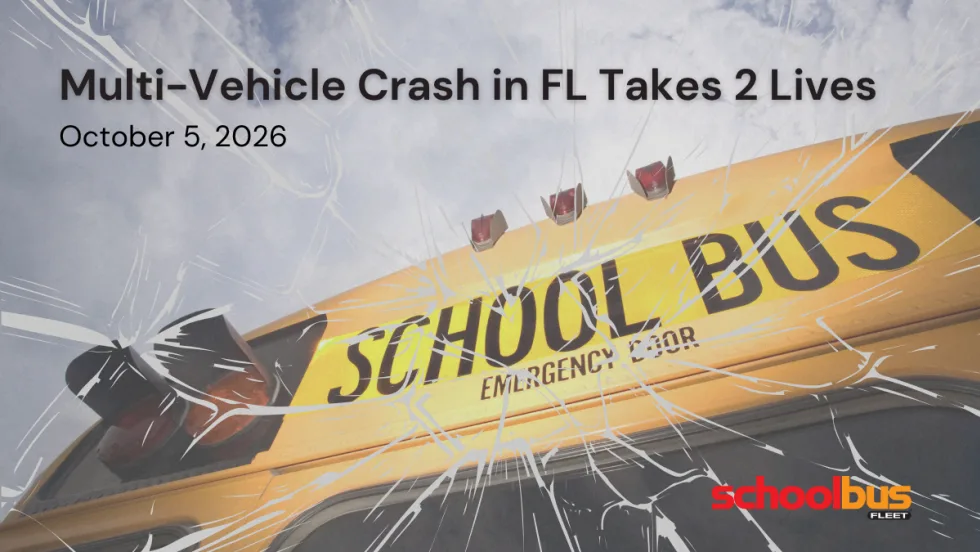
2 Killed, Dozens Injured in Florida School Bus Crash
A multi-vehicle collision caused a Polk County school bus carrying 37 students to overturn on its way to Winter Haven High School.
Read More →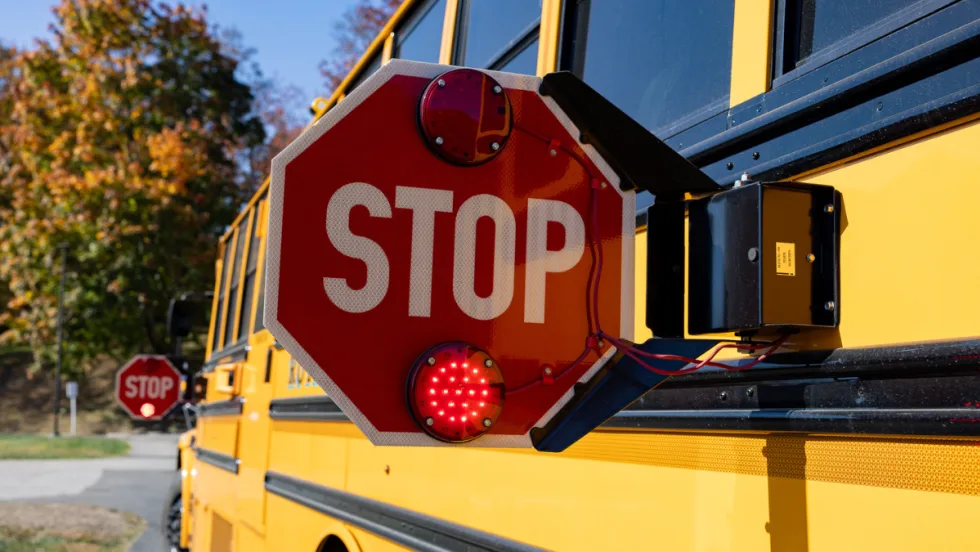
Illegal School Bus Passing Drops 24% in New York Districts
With fewer than 5% of citations involving repeat offenders, Westchester County officials said enforcement, education, and community partnerships are helping change driver behavior.
Read More →
School's Back. Here's What Happened to Traffic, Speeding & Distraction
What happens to traffic when school resumes? New data analysis examines changes in distracted driving, congestion, and speeding around schools.
Read More →
Geotab Expands Fleet Safety Tools With Video Coaching, Risk Insights
New safety and video capabilities aim to help fleet managers assess risk, support drivers, and take targeted action through video coaching, red-light violation detection, and more.
Read More →
How to Build a Better School Bus Driver Training Program
Is it time to strengthen your driver training? Here’s how to pick the right talent and improve recruitment, retention, and safety. This video is brought to you by IC Bus.
Read More →