




Webasto: Test results show benefits of pre-heated engines
An independent emissions testing lab recently tested the effects of a Webasto coolant heater on the emissions performance of a diesel engine. Emissions data show that the start-up temperature has a significant effect on the engine emissions and overall performance of diesel particulate filters.

FENTON, Mich. — An independent emissions testing lab recently tested the effects of a Webasto coolant heater on the emissions performance of a diesel engine.
To simulate different temperature conditions during the seasonal changes and the effect caused by the Webasto heater, boundary conditions to the test engine were set at 40 degrees Fahrenheit and 75 degrees Fahrenheit during separate test runs.
Emissions testing using an AC transient engine dynamometer was performed to determine the effect of engine start-up temperature on particulate matter (PM), hydrocarbon (HC) and carbon monoxide (CO) emissions on a 2005 DT466 engine using an FTP transient cycle with a Webasto Thermo Top C 5-kW coolant heater. Emissions data show that the start-up temperature has a significant effect on the engine emissions and overall performance of diesel particulate filters (DPFs).
Webasto released the following results summary from the test:
• Engine start-up temperature has a significant impact on the emissions levels emitted by the engine.
• PM emissions were reduced by 66% by pre-heating the engine during the cold weather conditions. Pre-heating also provided a 27% reduction in PM emissions during normal ambient conditions. Officials said that this will help in longevity of the DPF life and can avoid more frequent regenerations and cleaning intervals.
• NOx emissions were reduced by around 40% by pre-heating the engine to 155 degrees Fahrenheit.
• The test results show a 29% reduction in CO during winter conditions and a 62% reduction during normal ambient conditions.
• Pre-heating the engine does not have a significant effect on the HC emissions.
The source of these findings is ESW America Inc. Officials noted that results will vary based on engine size, duty cycle and overall maintenance.
“The independent testing results show that pre-heating engines improves DPF performance and longevity along with extending the duration between cleaning cycles on engines that do not run a heavy-duty cycle,” Webasto officials said in a statement. “Even engines in warm climates of 70 to 80 degrees Fahrenheit (for example) are not completely warm until they reach 130 degrees Fahrenheit and higher for optimal performance. Webasto coolant heaters provide optimal temperature at start-up.”
More Maintenance

Easy Ways to Reduce School Bus Emissions: Q&A with John Gonzales
Learn how preventive maintenance, driver training, reduced idling, smarter routing, and the right fuel choices can help districts reduce emissions — without investing in new buses.
Read More →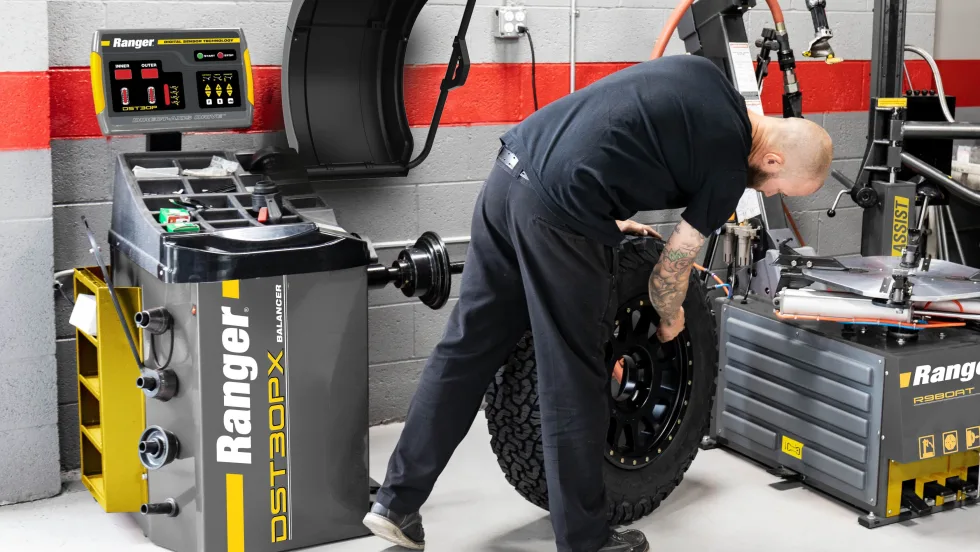
BendPak Launches Ranger DST30PX Wheel Balancer
BendPak's new wheel balancer handles tires up to 43 inches in diameter, with a reinforced design, precise weight placement, and faster service cycles.
Read More →
Tips for Ensuring School Bus Garages Are Safe and Warm Year-Round
Cold maintenance bays and rising heating costs? Learn how school bus garages can improve comfort with targeted heating, better airflow, and winter preparation.
Read More →
ASE Highlights School Bus Technician Certification Requirements
ASE is encouraging school bus maintenance professionals to maintain their certifications, highlighting seven specialized tests and five-year renewal requirements.
Read More →
International Adds E-Commerce Capabilities to Fleetrite.com
IC Bus customers can now browse, buy, and track shipments for more than 400,000 aftermarket parts online.
Read More →
The Most Expensive Thing You Do Before Selling a School Bus: Wait
When should you sell an aging school bus? Learn how maintenance, mileage, corrosion, specifications, and timing can affect resale value long before the auction.
Read More →
The Evolution of DEF Header Technology: What School Bus Operations Should Know at Replacement Time
See what school bus fleets should consider when replacing DEF headers to improve reliability, reduce repeat repairs, and control maintenance costs.
Read More →
The Essential Guide to School Bus Maintenance and Student Safety
Your district's buses carry students to school every day. This guide shows how predictive maintenance powered by fleet data helps keep buses reliable, drivers accountable and students safer from the first bell to the last stop.
Read More →
Kerry Brothers Grows Michigan School Bus Repair Network
The acquisition of Downriver Truck and Bus expands Kerry Brothers’ school bus maintenance footprint across southeast Michigan, adding repair capacity, diagnostic resources, and state inspection support.
Read More →
Noregon Introduces CAN Bus Diagnostic Tool, Expands JPRO Features
CAN Mentor and the latest JPRO update aim to simplify vehicle network diagnostics and improve repair efficiency for technicians of all experience levels.
Read More →