




Virginia Approves $20M in VW Funds for Electric School Buses
The state's third round of Volkswagen settlement funding will be used to reimburse public school districts for the purchase of new electric school buses, charging infrastructure, and propane buses.


Gov. Ralph Northam (third from left) announced Virginia's third round of VW funding during a Climate Week NYC event hosted by the U.S. Climate Alliance. Photo courtesy Office of Gov. Northam

Gov. Ralph Northam (third from left) announced Virginia's third round of VW funding during a Climate Week NYC event hosted by the U.S. Climate Alliance. Photo courtesy Office of Gov. Northam
RICHMOND, Va. — Virginia recently announced that it will allocate $20 million of its Volkswagen (VW) settlement funds for a new electric school bus initiative.
Gov. Ralph Northam announced the state’s third round of VW funding during a Climate Week NYC event on Sept. 24 hosted by the U.S. Climate Alliance, according to a news release from Northam’s office.
Starting early next year, public school districts across the state will be able to apply for VW funding, distributed by the Virginia Department of Environmental Quality in partnership with the state Department of Education, to purchase new electric school buses and charging infrastructure. A small reserve of the funds will be set aside for propane-powered buses.
“School buses are the safest way to transport students to and from school, but as a pediatric doctor, I know the harmful effects of diesel-powered buses on our children’s health,” Northam said. “This initiative represents a significant investment in the electrification of our transportation system, in our efforts to address the climate crisis, and in an environment that allows Virginia children to learn, grow, and thrive.”
Nearly all of Virginia’s school bus fleet runs on diesel, according to Northam’s office, with approximately 3,500 buses older than 10 years. More than 500 of those buses use engines built prior to the first Environmental Protection Agency diesel standards. By replacing 75 of the state’s school buses with all-electric buses, Northam's office said Virginia could experience a lifetime savings of 670,000 pounds nitrogen oxide, approximately 41,000 pounds of particulate matter population, and 36 million pounds of greenhouse gas tailpipe emissions.
Additionally, school districts could see savings of nearly $2,000 a year in fuel and $4,400 a year in reduced maintenance costs, according to Atif Qarni, Virginia’s secretary of education.
School districts may be reimbursed up to $265,000 for the purchase of one electric school bus, including charging infrastructure, and up to $20,000 for the purchase of one propane school bus — provided that the bus being replaced is a model year 1997 or older bus and that the district’s application includes justification for why an electric school bus is not feasible as a replacement.
Additional scoring criteria for submitted applications will include: priority for electric buses, amount of reimbursement requested per bus, the age of the buses to be replaced, current annual mileage of the buses to be replaced, and the percentage of students eligible for free and reduced-price meals across the school district. Awards will be distributed until funds are exhausted and through one or multiple funding cycles if necessary.
Last year, Northam announced approximately $14 million in VW funding to develop the state’s electric vehicle charging network and an additional $14 million to fund the deployment of electric transit buses.
For more information about the state’s VW funds, go here.
More Alternative Fuels

CALSTART and Forth Combine to Form Catalyst Mobility
The new name represents a renewed vision for the nonprofit focused on advancing clean, equitable, and affordable transportation solutions that move people and goods.
Read More →
Alt-Fuel Moves: New Buses, Charging Hubs & Real-World EV Testing
Propane and electric school bus deployments continue to grow as districts add new vehicles, expand charging infrastructure, and gather more real-world operating data.
Read More →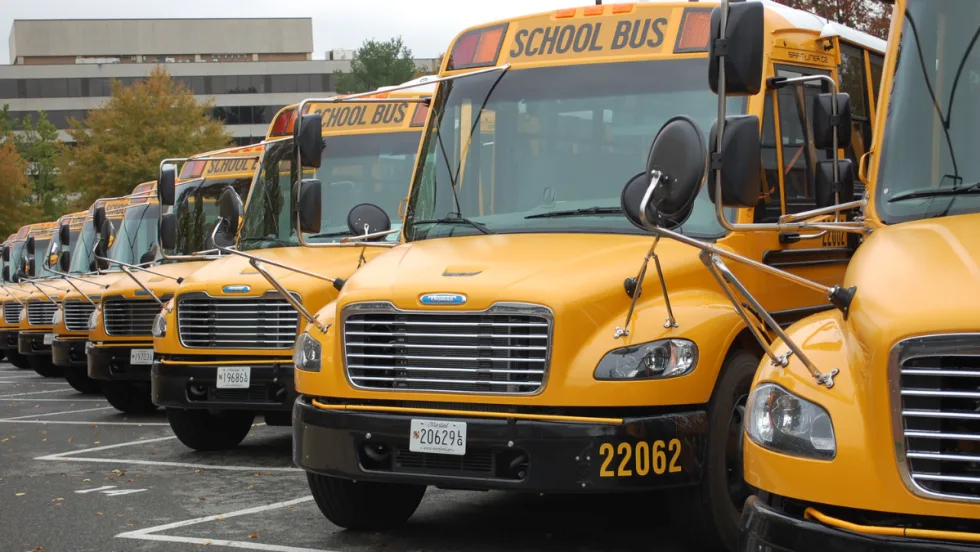
Fewer Electric School Bus Models Reshape the U.S. Market
WRI’s latest buyer’s guide points to a consolidating electric school bus market, but fewer options may reflect a maturing industry rather than fewer meaningful choices for school bus operators.
Read More →
The Fuel Budget You Can Actually Predict: How Propane Autogas Keeps Money in the Classroom
Learn how propane autogas helps school districts manage fuel costs with predictable pricing, lower maintenance, and reduced emissions from former transportation director Joel Stutheit.
Read More →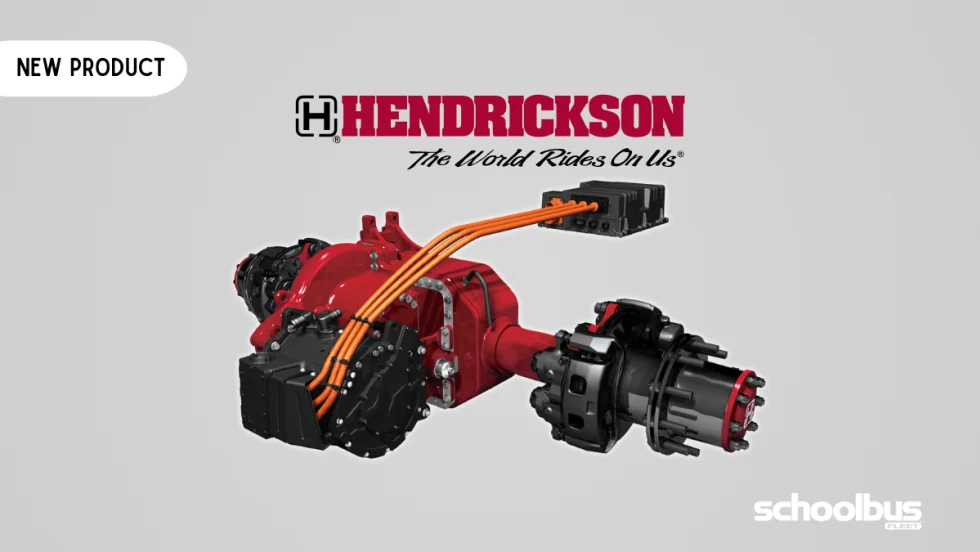
Hendrickson, Driventic Introduce New Electric Powertrain for School Buses
ELECTRAAX, the electrified, lightweight drive axle offers integrated ePowertrain efficiency and modular flexibility for Class 6–7 school bus use.
Read More →
The Mobility House Joins PowerFlex in Fleet Electrification Deal
The acquisition combines intelligent charging software, bidirectional charging expertise, and fleet electrification services to support the growing adoption of electric school buses across North America.
Read More →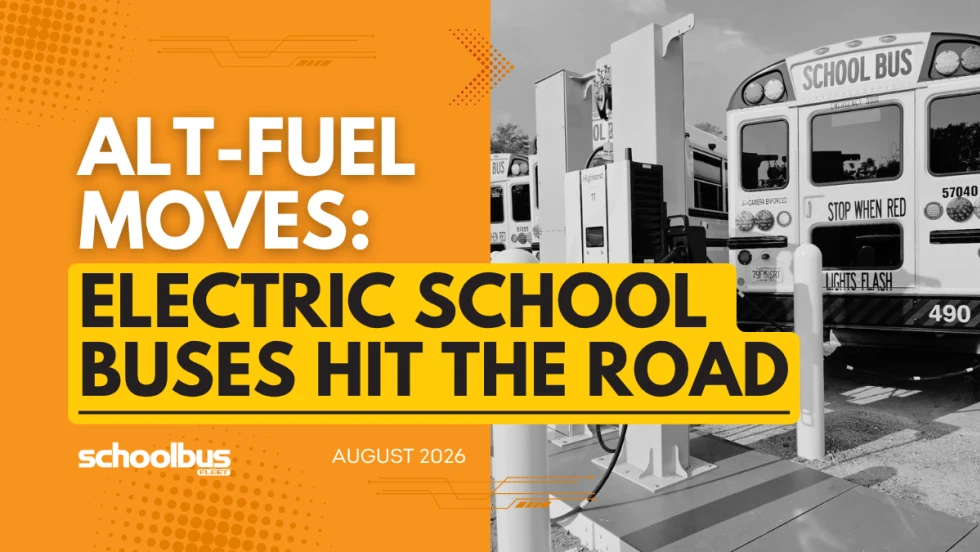
Alt-Fuel Moves: Electric School Bus Investments Hit the Road
See which districts across the U.S. are putting electric school buses into service, expanding charging infrastructure, and planning the next phase of fleet electrification.
Read More →
With Fuel Volatility Ahead, School Districts Turn to Propane
While diesel prices peaked above $5 this spring, districts with propane autogas-powered fleets paid under $2 per gallon, according to PERC.
Read More →
EPA Unveils Proposed Changes to 2027 Heavy-Duty Engine Rules
The federal agency has proposed changes to next year’s targets that would eliminate DEF derates, ease warranty requirements, and retain current NOx emissions standards.
Read More →
Alt-Fuel Moves: EV Charging & Infrastructure Projects Gain Momentum
The latest developments include new funding, charging infrastructure, utility investments, and fleet technologies designed to support the transition to electric school buses nationwide.
Read More →