




Vermont Launches Electric School, Transit Bus Pilot Program
Three of the state’s school districts and one transit agency will receive electric buses backed by Volkswagen settlement funds.


Three of the state's school districts and one transit agency were selected for an electric bus pilot program backed by Volkswagen (VW) settlement funds. File photo
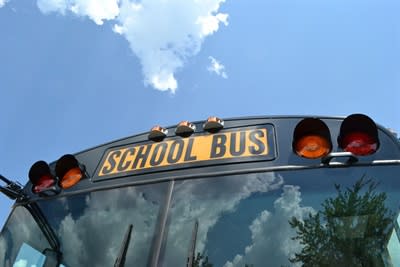
Three of the state's school districts and one transit agency were selected for an electric bus pilot program backed by Volkswagen (VW) settlement funds. File photo
BARRE, Vt. — Vermont has selected three school districts and one transit agency for its electric bus pilot program backed by Volkswagen (VW) settlement funds.
Officials from the Agency of Natural Resources and Vermont Energy Investment Corp. (VEIC) announced the recipients of the new electric-powered buses on Dec. 19, according to a news release from VEIC, a nonprofit sustainable energy company. The recipients included Barre Unified Union School District, Champlain Valley School District, Franklin West Supervisory Union, and Marble Valley Regional Transit District.
“Congratulations to our project partners; we are excited to work with them to bring electric buses to four counties across the state,” said Emily Boedecker, commissioner of the Department of Environmental Conservation. “Not only will this program help us to determine the feasibility of electric buses in Vermont, it will also serve to introduce students and public transit riders in our communities to cleaner vehicles while improving the air quality of our public spaces.”
As SBF previously reported, the two-year pilot program will be administered by VEIC to evaluate electric school and transit bus operations in the state. Over the next several months, VEIC will work with each participating school district and transit agency to purchase the electric buses, acquire the necessary charging infrastructure, and identify facility upgrades needed to support the vehicles. Once the buses and equipment are delivered, the buses will be tracked and evaluated for a full year. Throughout this year of operation, VEIC will provide technical assistance to the selected schools and transit providers, while also evaluating and reporting on the performance of the vehicles.
“We are thrilled to see the VW settlement funds working to benefit Vermonters and to advance electric vehicle use,” said Jennifer Wallace-Brodeur, director of clean transportation for VEIC. “The transportation sector is the largest source of harmful greenhouse gas emissions in our state and it is vital that we seek solutions to reduce these emissions. This pilot will help us to evaluate the benefits of electric buses and assess how they perform in a range of typical Vermont conditions and terrain. With this information we hope to build confidence that electric buses can work in Vermont and support greater adoption and impact in the future.”
John Pandolfo, the superintendent for Barre Unified Union School District, said that the district’s adoption of electric buses will provide significant economic and educational benefits.
"The district continuously encourages students to compost, recycle, and take care of their environment. The buses represent another teachable moment in this area. This is an exciting learning experience for Barre students. Most children have only read about this in books, we are excited that the children in this community will actually be able to say, ‘I rode to school in an electric bus,’” Pandolfo said.
Jeanne Jensen, the chief operations officer for Champlain Valley School District, added that the new buses will allow her district "to not only transport students more safely and efficiently, but to make a concrete example of how we live up to our values. We are excited to take such an important role in helping Vermont reduce carbon emissions and improve energy efficiency."
Several agencies contributed to the launch of the state’s electric school and transit bus pilot program, including the Vermont Energy Education Program (VEEP), the Vermont Agency of Transportation, the Vermont Superintendents Association, and the Vermont Department of Public Service.
More Alternative Fuels

CALSTART and Forth Combine to Form Catalyst Mobility
The new name represents a renewed vision for the nonprofit focused on advancing clean, equitable, and affordable transportation solutions that move people and goods.
Read More →
Alt-Fuel Moves: New Buses, Charging Hubs & Real-World EV Testing
Propane and electric school bus deployments continue to grow as districts add new vehicles, expand charging infrastructure, and gather more real-world operating data.
Read More →
Fewer Electric School Bus Models Reshape the U.S. Market
WRI’s latest buyer’s guide points to a consolidating electric school bus market, but fewer options may reflect a maturing industry rather than fewer meaningful choices for school bus operators.
Read More →
The Fuel Budget You Can Actually Predict: How Propane Autogas Keeps Money in the Classroom
Learn how propane autogas helps school districts manage fuel costs with predictable pricing, lower maintenance, and reduced emissions from former transportation director Joel Stutheit.
Read More →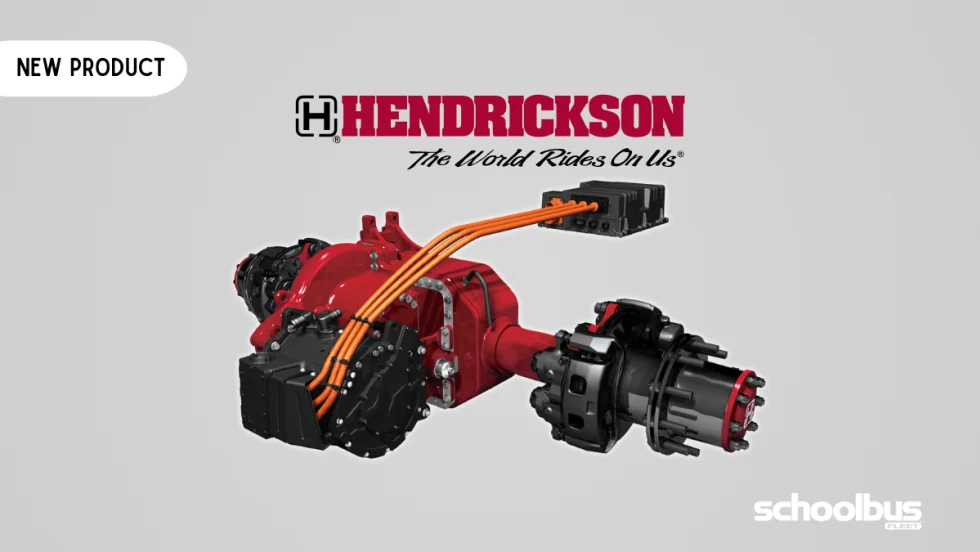
Hendrickson, Driventic Introduce New Electric Powertrain for School Buses
ELECTRAAX, the electrified, lightweight drive axle offers integrated ePowertrain efficiency and modular flexibility for Class 6–7 school bus use.
Read More →
The Mobility House Joins PowerFlex in Fleet Electrification Deal
The acquisition combines intelligent charging software, bidirectional charging expertise, and fleet electrification services to support the growing adoption of electric school buses across North America.
Read More →
Alt-Fuel Moves: Electric School Bus Investments Hit the Road
See which districts across the U.S. are putting electric school buses into service, expanding charging infrastructure, and planning the next phase of fleet electrification.
Read More →
With Fuel Volatility Ahead, School Districts Turn to Propane
While diesel prices peaked above $5 this spring, districts with propane autogas-powered fleets paid under $2 per gallon, according to PERC.
Read More →
EPA Unveils Proposed Changes to 2027 Heavy-Duty Engine Rules
The federal agency has proposed changes to next year’s targets that would eliminate DEF derates, ease warranty requirements, and retain current NOx emissions standards.
Read More →
Alt-Fuel Moves: EV Charging & Infrastructure Projects Gain Momentum
The latest developments include new funding, charging infrastructure, utility investments, and fleet technologies designed to support the transition to electric school buses nationwide.
Read More →