




Trends in school bus camera implementation
An analysis of recent school district contracts for bus video surveillance systems finds an average purchase of three cameras per bus. That and other dynamics are identified in this article by market analyst Paul Irby.
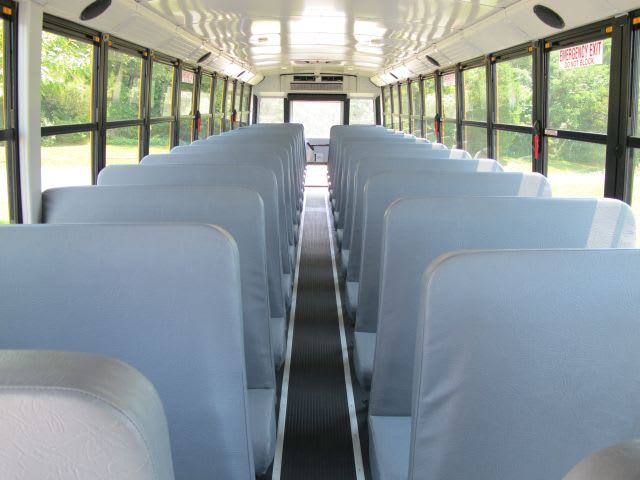
Many school districts employ multiple surveillance cameras per bus for a broad range of views.
Digital school bus cameras continue to be a credible option for security-minded fleet managers and district administrators. School boards are often willing to consider investing in electronic security solutions that seem cost-effective when compared to their expected risk-management and enforcement benefits.
In order to examine some of the dynamics of this market, we looked in Onvia’s comprehensive database of school district contracts and awards over the past four years and searched for terms related to “school bus cameras.” We identified a group of 160 bids, RFPs and awards, which were analyzed for this article.
Three cameras per bus on average
Many school districts employ multiple cameras per bus for a broader range of views, both inside and outside the bus. As an example, a large school district in Georgia awarded a multi-million dollar contract specifying that all of its buses would be fitted with three internal security cameras, with an option for external stop-arm cameras to be added in the future. We analyzed 12 camera award contracts and found that the three camera-per-bus ratio appears typical for installations.
Per-camera costs vary
Looking at seven examples with detailed data, total project costs average around $1,200 to $1,300 per camera unit, factoring in digital video recorders for data storage, equipment, labor and installation. The wide variation in per-camera averages ($850 to $1,800) can be at least partially explained by differences in configurations and options.
Used by large and small districts
Our data suggest that this is a marketplace where security and risk management concerns transcend enrollment and agency size. Within the five largest bus camera awards, the district enrollment size ranges from a low of 4,000 to more than 100,000 students. Of the top ten awards, the overall average enrollment is fairly large (34,900), but seven of the 10 districts are under the 25,000 mark.
With partial implementations common, price per student varies
Some districts appear to buy for a portion of their bus fleet rather than the entire fleet. The multi-million dollar contract for the large district in Georgia mentioned above represents a full deployment; the average cost per enrolled student in that instance came to $31. However, many projects involved spending at a much lower rate per student — as low as several dollars each when you factor in the entire student headcount. These lower rates of relative spending suggest a pattern of selective deployment, such as a pilot or only targeting one category, such as elementary schools.
Most buying happens in first half of calendar year
Bus camera contracting tends to follow seasonal patterns, with procurement activity concentrated in the months of January through June (66%) as well as in the month of September (11%) at the start of the school year. This pattern aligns with the typical district fiscal year ending in June.
Conclusion
Digital school bus camera implementations happen in districts of all sizes across the nation in a seasonal pattern. There are a variety of different configurations, such as interior and exterior mounted units.
Our data show an average price of $1,200 to $1,300 per camera unit and multiple cameras being used per bus. However, large differences in pricing and budgets relative to district size suggest agencies are able to find individualized approaches, such as partial deployments, to meet their specific risk-management needs and funding constraints.

Paul Irby is a market analyst at Onvia, focused on researching government procurement trends. Onvia tracks and reports the spending of tens of thousands of federal, state and local government agencies, giving companies a single source for conducting business with government. Irby has 17 years of market research experience serving clients in a range of industries, including school districts.
More Management

School Bus Contractors Expand Through New Deals, Acquisitions & Partnerships
STA's Canadian division acquires Ontario-based G&L Stevenson Transport while Durham School Services adds a new district contract in California, First Student adds a New Jersey contract, and Minnesota Coaches acquires Halo Transportation.
Read More →
Logan Bus Company Rolls Out AI Phone System for NYC School Bus Families
A summer pilot found that AI agents could handle most routine calls, freeing up time for customer service staff to focus on emergencies and complex family concerns.
Read More →
From Intent to Impact: What I Learned About Leadership from TAPT
A Texas transportation supervisor shares lessons on self-awareness, accountability, managing stress and building trust — and why investing in leadership development matters at every stage of your career.
Read More →

NAPT Names 2026 Award Recipients
Who earned national recognition for their work in student transportation? This year, NAPT named five recipients of its 2026 awards for service, safety, and leadership.
Read More →
2026 State of Student Transportation Report
Driver shortages. Rising costs. Growing safety expectations. More data, but not enough time to act on it. The 2026 State of Student Transportation Report reveals what transportation leaders say is putting the most pressure on their operations—and where they’re investing next. See how your priorities compare.
Read More →
How to De-Escalate an Angry Person: 5 Steps for Handling Workplace Conflict
What makes emotions run high, and how should you handle an angry colleague or parent? Follow these steps for staying calm, listening, showing empathy, and resolving conflict.
Read More →
What Readiness Looks Like This School Year
Learn about the challenges shaping the 2026–2027 school year, from persistent driver shortages and budget pressure to technology and readiness gaps. See how school districts are responding and adapting in Zonar’s 2026 Back-to-School Readiness Report.
Read More →
Changing Lanes: Executive Moves at Summit School Services, Zum, STA, Cummins, Transit Technologies, Driventic, & Cadex
See who's been hired, promoted, and appointed to leadership positions at various school transportation industry suppliers and private contractors.
Read More →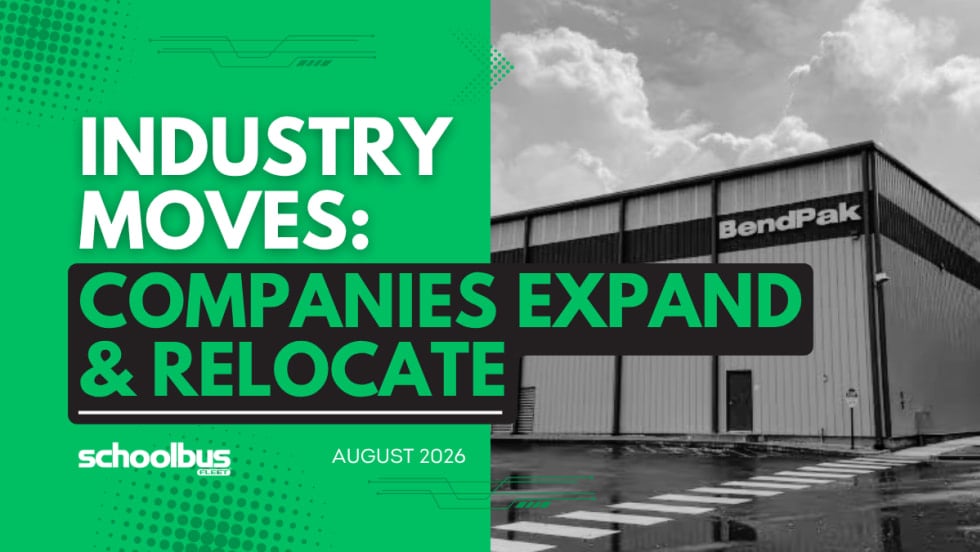
Industry Moves: Companies Expand Fleet Service & EV Infrastructure Footprints
The new facilities and regional hubs could mean faster access to shop equipment, charging support, and transportation technology for fleet operators.
Read More →
Doing More With Less: How Transportation Directors Can Prioritize Safety Amid Budget Uncertainty
With diesel prices soaring and nearly one-third of transportation directors expecting budget cuts, maintaining student safety has never been more challenging. Download this guide to learn how leading districts are prioritizing risk, funding critical safety technology, and building stronger budget cases with data.
Read More →