




Assessments, Investments Bolster School Bus Facility Security
Transportation Security Administration Optimizes Info Sharing
Agency representatives detail efforts to enhance information sharing with new subcommittees and outline resources for pupil transporters.

Nicole Schlosser・Former Executive Editor

Scott Gorton, the executive director of the Transportation Security Administration, discussed the agency's efforts to optimize security information sharing.
Screenshot taken from virtual workshop held by National Association of State Directors of Pupil Transportation Services
3 min to read
In the first virtual workshop held by the National Association of State Directors of Pupil Transportation Services (NASDPTS) on Monday, Transportation Security Administration (TSA) representatives detailed recent efforts to optimize information sharing through new subcommittees and outlined resources for pupil transporters.
Scott Gorton, the executive director of the TSA, discussed the impact that the COVID-19 pandemic has caused significant concern across all surface transportation modes, not only in terms of keeping employees and passengers safe but in financial losses as well. The agency worked with its federal partners at the U.S. Department of Transportation and the Cybersecurity and Infrastructure Agency (CISA), those in the private sector, and others in the transportation industry to quickly compose a list of essential workers in critical infrastructures. That list informed executive orders from governors, he said.
Gorton also notified attendees about the Surface Transportation Security Advisory Committee (STSAC), which was formed just over one year ago, to provide the TSA Administrator with guidance on surface transportation security matters, including policies, programs, initiatives, rulemakings, and security directives. (The STSAC representative for pupil transportation is Lt. Brian Reu of the Minnesota State Patrol.)
The committee has 37 voting members and 14 non-voting members from federal agencies, including the National Transportation Safety Board and the FBI. It held its most recent meeting on Nov. 5 to focus on the work of its four new subcommittees: Cybersecurity, Insider Threat, Security Risk and Intelligence, and Emergency Management and Resiliency.
The Security Risk and Intelligence Subcommittee identifies ways to improve intelligence sharing and the type of information disseminated to keep the right people informed about security risks. The subcommittee has developed touchpoints across industries to disseminate information and a Surface Intelligence and Information Sharing Cell (SISC), Gorton said.
The Cybersecurity Subcommittee aims to expedite the sharing of cybersecurity information, in particular on threats such as malware, across all transportation modes.
The Insider Threat Subcommittee examines how insider threats manifest in a surface transportation environment, and how to reduce risk, in part by vetting programs that could be optimized for pupil transportation. It also works, Gorton added, to take advantage of information on thwarted insider threats in other surface transportation industries and turn them into lessons for prevention best practices.
The COVID-19 pandemic hit as the Emergency Management and Resilience Subcommittee was formed, so turned its attention to cataloging related emergency practices. It conducted surveys and partnered with the TSA to hold a virtual workshop on COVID-19 lessons learned and best practices. Recommendations included updating pandemic plans, since many agencies had a plan but hadn’t reviewed it in years, and having stockpiles of cleaning supplies and personal protective equipment (PPE) to get through a few weeks, Gorton said.
Meanwhile, David Cooper, the section chief industry engagement manager of the highway surface policy division at the TSA, shared details on the agency’s security training resources, which include Baseline Assessment for Security Enhancement (BASE); the Transportation Security Template and Assessment and Review Toolkit (T-START); the First Observer Plus program; counterterrorism guides; Vehicle Ramming Report from April 2019; and the Security Planning Workshops (HMC Toolkit) which can be done virtually.
More Safety

How to Build a Better School Bus Driver Training Program
Is it time to strengthen your driver training? Here’s how to pick the right talent and improve recruitment, retention, and safety. This video is brought to you by IC Bus.
Read More →
Recent School Bus Accidents Leave 2 Dead, 2 Injured
Four school bus crashes in Florida, Illinois, and Georgia highlight risks in transportation lots, at bus stops, and during student loading and unloading.
Read More →
Sponsored•September 8, 2026
When Every Second Matters, Clarity Keeps Routes Moving
From routine delays to urgent incidents, strong communication practices help drivers, dispatchers, schools, and families respond with confidence.
Read More →

What Happens When a School Bus Catches Fire — and What Can Help
School bus fires are rare but can be devastating. Learn how advances in fire suppression and asset protection help fleets detect fires earlier, reduce damage, and improve safety.
Read More →
Geotab Launches Tool to Help Fleets Investigate Road Incidents
Geotab Investigations combines telematics data, video, documents, and other evidence to help fleets reconstruct incidents, resolve claims, and determine what happened.
Read More →
Texas Sixth Grader Wins 2026 National School Bus Safety Poster Contest
Sai Darshana Yekolu of Moseley Middle School in Prosper, Texas, was named the newest winner for her artwork, bringing the theme of “Safe Rides, Everyday Heroes” to life.
Read More →
Sponsored•August 27, 2026
Doing More With Less: How Transportation Directors Can Prioritize Safety Amid Budget Uncertainty
With diesel prices soaring and nearly one-third of transportation directors expecting budget cuts, maintaining student safety has never been more challenging. Download this guide to learn how leading districts are prioritizing risk, funding critical safety technology, and building stronger budget cases with data.
Read More →
Walton County Schools Adds Gatekeeper Stop-Arm Enforcement System
The Florida district will deploy Gatekeeper’s updated Student Protector technology, which now incorporates AI to improve video evidence.
Read More →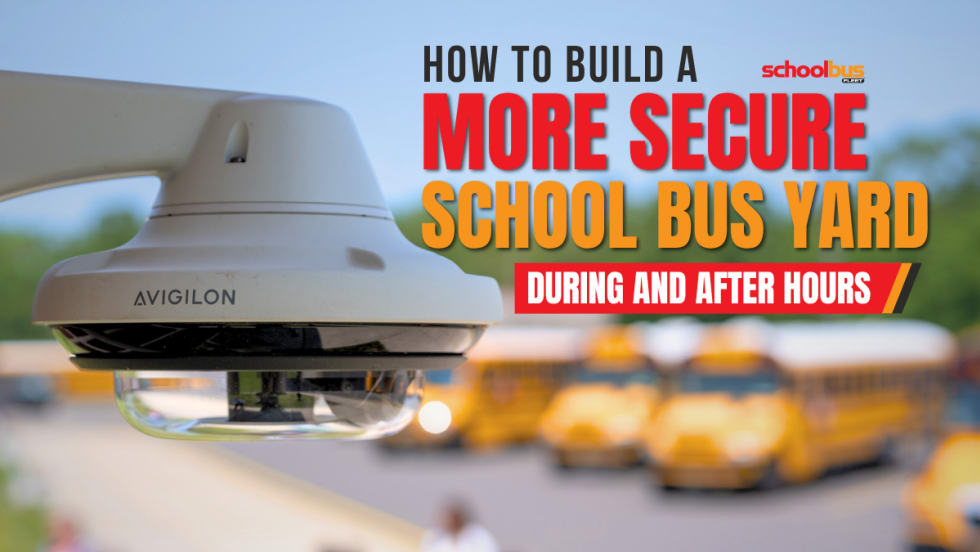
How To Build a More Secure School Bus Yard During and After Hours
As thefts and overnight security threats continue, school transportation leaders are combining stronger operational practices with AI-enabled surveillance to better protect buses, facilities, and staff.
Read More →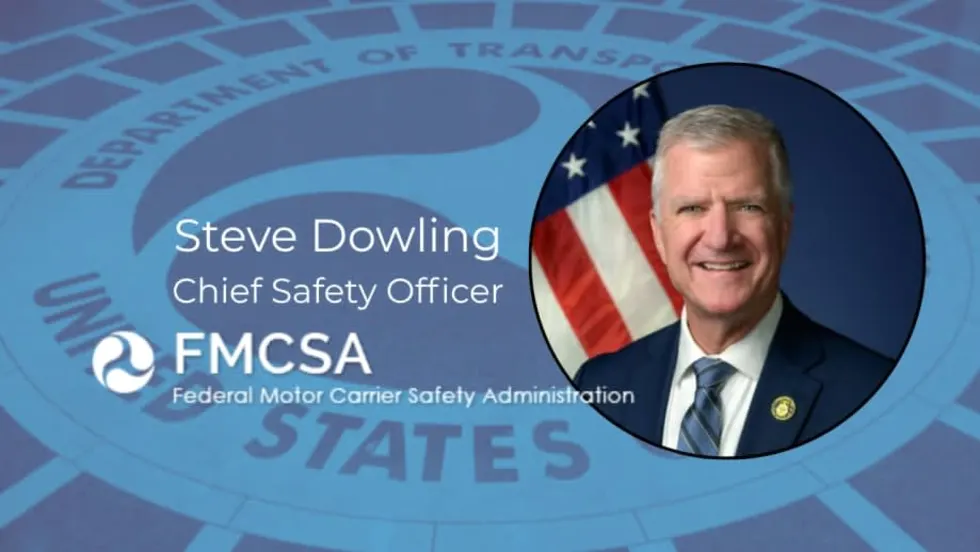
FMCSA Names New Chief Safety Officer: What School Bus Operators Should Know
Steve Dowling is set to lead the federal agency's efforts to advance commercial motor vehicle safety and reduce crashes, fatalities, and injuries on the nation's roadways.
Read More →