




Trans Tech, Motiv partner for new all-electric school bus
Trans Tech Bus and Motiv Power Systems unveil the SST-e, an all-electric Type A school bus offering up to 100 miles of range.

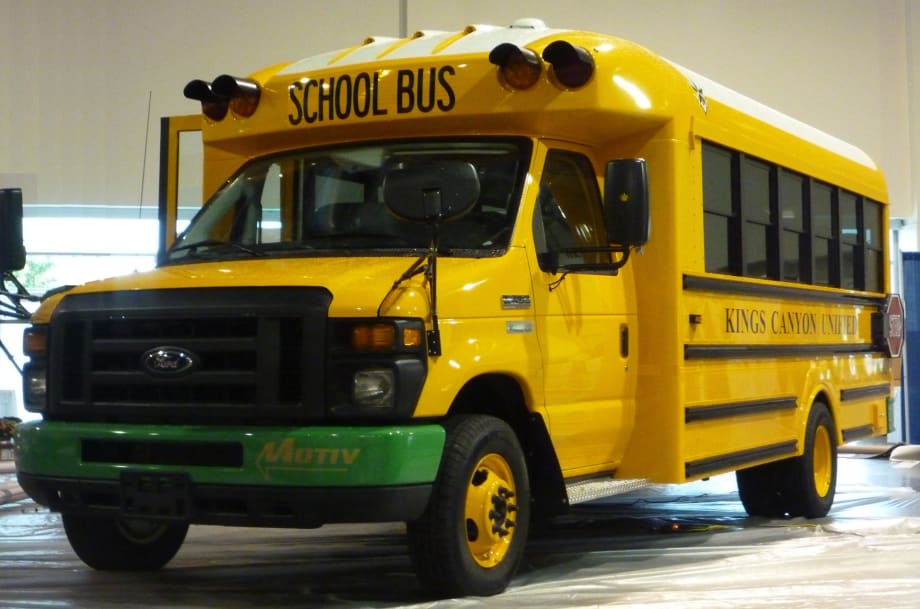
California's Kings Canyon Unified School District will reportedly receive the first of the new SST-e all-electric school bus from Trans Tech Bus and partner Motiv Power Systems.
Photo: Motiv Power Systems
GRAND RAPIDS, Mich. — Type A school bus manufacturer Trans Tech Bus has partnered with Motiv Power Systems to develop a new all-electric school bus, which will be revealed at the National Association for Pupil Transportation’s (NAPT) trade show here on Tuesday and Wednesday.
The SST-e was funded in part by the California Air Resources Board AB 118 Air Quality Improvement Program Electric School Bus Demonstration Project, and the first of these buses will go to California’s Kings Canyon Unified School District and hit the road in 2014, officials said.
The bus is built on a Ford E-450 chassis, utilizing the all-battery, all-chassis compatible Motiv electric Powertrain Control System (ePCS).The ePCS is installed as a Ford ship-through chassis modification similar to a compressed natural gas modification, enabling minimal changes between the fossil fuel and electric versions of the school buses.
Passenger capacity for the Trans Tech/Motiv SST-e all-electric school buses is 30 students, or 24 students and one wheelchair.
“An electric bus can save a school district about 16 gallons of fuel a day, or around $11,000 in fuel savings over a year, not to mention maintenance savings,” said John Phraner, president of TransTech. “We are very excited to continue to help school districts reduce their transportation budgets and are committed to opening the market for the all-electric school bus.”
The Motiv ePCS is compatible with a wide variety of chassis and batteries, officials said. The ePCS allows buses to be compatible with any battery currently on the market or available in the future. Additionally, one pack can be replaced without replacing all the batteries on the vehicle. The SST-e school buses are available with range options of 80 or 100 miles.
Additionally, with Motiv’s onboard fast charging technology, the buses can reach 50% charge in under an hour and full charge in eight hours. Motiv's low-cost, three-phase fast charging requires minimal building modifications and no expensive charging stations. The bus is also equipped with telemetry systems, providing real-time route data and preventive maintenance reports to fleet managers. The cloud-stored data can be viewed on the web and on smartphones, helping to manage driver performance and safety.
“Our system is battery agnostic — it 'future-proofs' fleets against changes in the battery market, such as discontinued batteries or future improved technology,” said Jim Castalez, founder and CEO of Motiv. “This makes a Motiv-equipped bus the most flexible and customizable all-electric powertrain for trucks on the market. We are thrilled the ePCS will be assisting schools get the most out of their transportation dollars, while at the same time educating children on clean transportation.”
The SST-e will be at Trans Tech Bus’ booth, No. 129, during the NAPT trade show.
More Alternative Fuels

CALSTART and Forth Combine to Form Catalyst Mobility
The new name represents a renewed vision for the nonprofit focused on advancing clean, equitable, and affordable transportation solutions that move people and goods.
Read More →
Alt-Fuel Moves: New Buses, Charging Hubs & Real-World EV Testing
Propane and electric school bus deployments continue to grow as districts add new vehicles, expand charging infrastructure, and gather more real-world operating data.
Read More →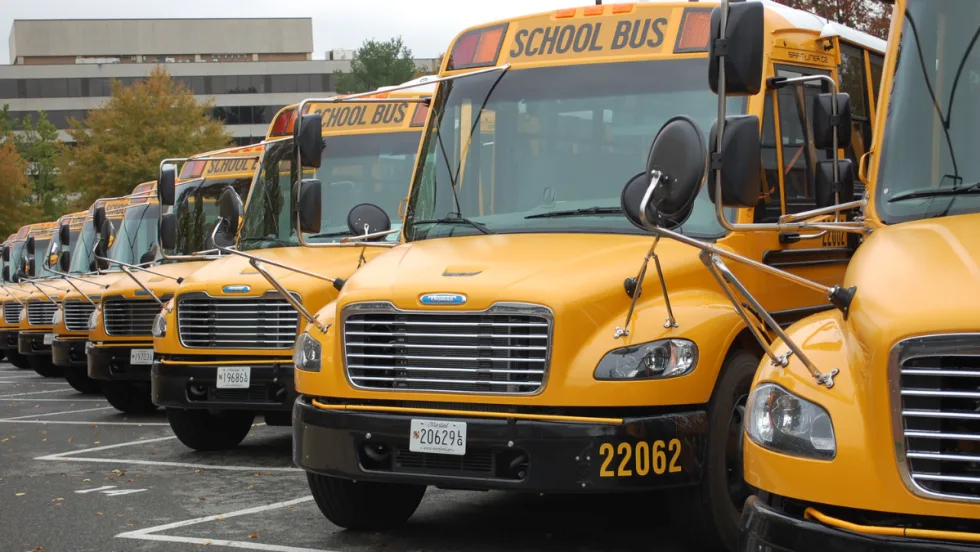
Fewer Electric School Bus Models Reshape the U.S. Market
WRI’s latest buyer’s guide points to a consolidating electric school bus market, but fewer options may reflect a maturing industry rather than fewer meaningful choices for school bus operators.
Read More →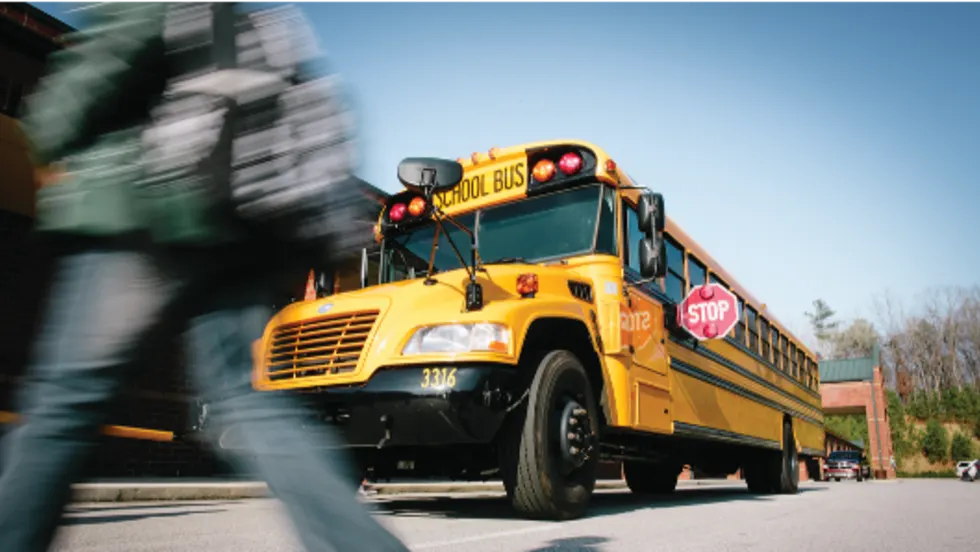
The Fuel Budget You Can Actually Predict: How Propane Autogas Keeps Money in the Classroom
Learn how propane autogas helps school districts manage fuel costs with predictable pricing, lower maintenance, and reduced emissions from former transportation director Joel Stutheit.
Read More →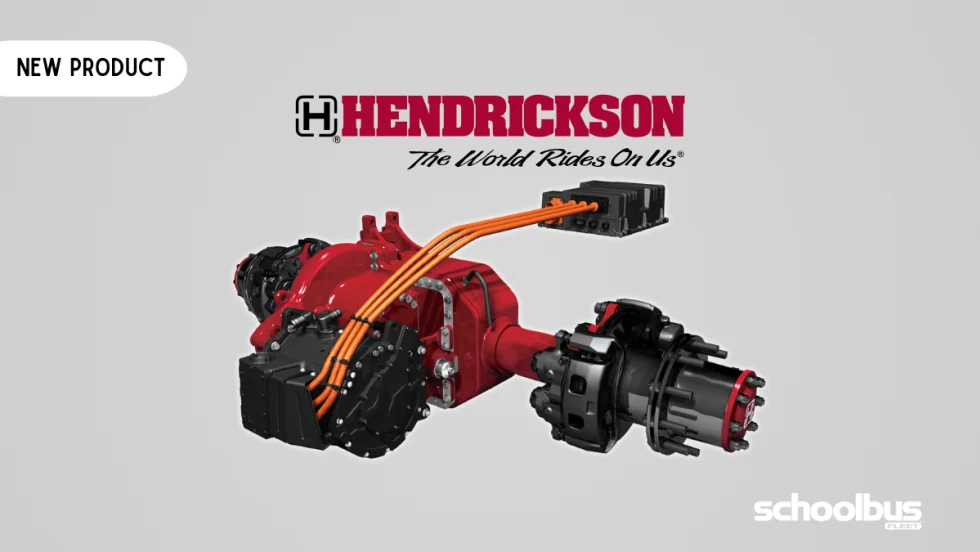
Hendrickson, Driventic Introduce New Electric Powertrain for School Buses
ELECTRAAX, the electrified, lightweight drive axle offers integrated ePowertrain efficiency and modular flexibility for Class 6–7 school bus use.
Read More →
The Mobility House Joins PowerFlex in Fleet Electrification Deal
The acquisition combines intelligent charging software, bidirectional charging expertise, and fleet electrification services to support the growing adoption of electric school buses across North America.
Read More →
Alt-Fuel Moves: Electric School Bus Investments Hit the Road
See which districts across the U.S. are putting electric school buses into service, expanding charging infrastructure, and planning the next phase of fleet electrification.
Read More →
With Fuel Volatility Ahead, School Districts Turn to Propane
While diesel prices peaked above $5 this spring, districts with propane autogas-powered fleets paid under $2 per gallon, according to PERC.
Read More →
EPA Unveils Proposed Changes to 2027 Heavy-Duty Engine Rules
The federal agency has proposed changes to next year’s targets that would eliminate DEF derates, ease warranty requirements, and retain current NOx emissions standards.
Read More →
Alt-Fuel Moves: EV Charging & Infrastructure Projects Gain Momentum
The latest developments include new funding, charging infrastructure, utility investments, and fleet technologies designed to support the transition to electric school buses nationwide.
Read More →