





Related: Thomas Built Buses Delivers First School Bus With DD5 Engine
Thomas Built Delivers Nearly 1,200 DD5-Equipped School Buses
The school bus manufacturer's Saf-T-Liner C2, which is equipped with the Detroit DD5 engine, is designed to provide a lower total cost of ownership and reduce consumption of both diesel fuel and diesel exhaust fluid.
October 2, 2019
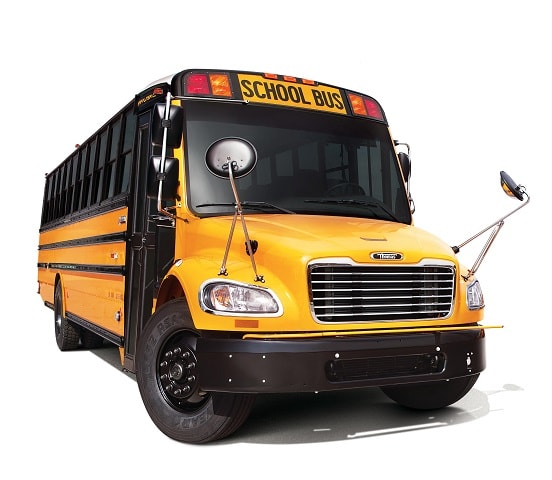
Thomas Built Buses' Saf-T-Liner C2, which is equipped with the Detroit DD5 engine, is designed to provide a lower total cost of ownership and reduce overall consumption of both diesel fuel and diesel exhaust fluid. Photo courtesy Daimler Trucks North America
2 min to read
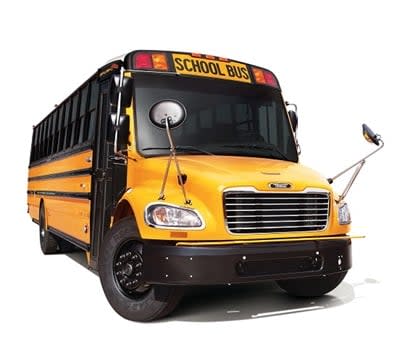
Thomas Built Buses' Saf-T-Liner C2, which is equipped with the Detroit DD5 engine, is designed to provide a lower total cost of ownership and reduce overall consumption of both diesel fuel and diesel exhaust fluid. Photo courtesy Daimler Trucks North America
HIGH POINT, N.C. — Thomas Built Buses has delivered nearly 1,200 of its Saf-T-Liner C2 school buses equipped with the Detroit DD5 engine.
The Detroit DD5 engine is a 5.1L engine adapted specifically for the Thomas Built Buses Saf-T-Liner C2. The engine is designed to provide a lower total cost of ownership and reduce consumption of both diesel fuel and diesel exhaust fluid, according to a news release from Daimler Trucks North America, the parent company of Thomas Built Buses.
“We have received extraordinary feedback on the DD5-equipped Saf-T-Liner C2s,” said Caley Edgerly, president and CEO of Thomas Built Buses. “Transportation directors are impressed at the power and efficiency of the four-cylinder engine. And in the coming months, districts will soon realize the decreased maintenance and overall cost savings. This back-to-school season is one that we’ve been looking forward to for a long time.”
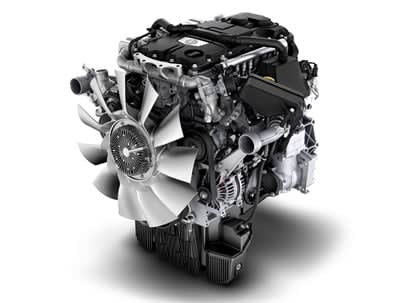
The Detroit DD5 engine features Detroit Connect, a subscription-based remote diagnostic service that transmits data to the engine supplier's customer support center. Photo courtesy Daimler Trucks North America
Additionally, Daimler reports that the engine’s aftertreatment system does not have as much to process, resulting in fewer regen cycles and longer service intervals for the Saf-T-Liner C2.
The DD5 engine also comes equipped with the Detroit Connect Virtual Technician, a subscription-based remote diagnostic service that is free for the first five years. Detroit Connect transmits data to the engine supplier's customer support center to enable them to perform informed service decisions. Performance data is also tracked to provide insights into overall vehicle health, fuel economy, and safety performance.
For more information about the Saf-T-Liner C2 equipped with the new Detroit DD5 engine, customers can contact their local dealer.
More Management

How to Build a Better Driver Training Program
Ready to boost up your school bus instructor training? Here’s how to pick the right talent and improve recruitment, retention, and safety.
Read More →
CALSTART and Forth Combine to Form Catalyst Mobility
The new name represents a renewed vision for the nonprofit focused on advancing clean, equitable, and affordable transportation solutions that move people and goods.
Read More →
What Makes a Great School Bus Driver Trainer?
Choosing the right school bus driver trainer takes more than experience. Learn six keys to selecting and developing trainers and evaluating program effectiveness.
Read More →


School Bus Contractors Expand Through New Deals, Acquisitions & Partnerships
STA's Canadian division acquires Ontario-based G&L Stevenson Transport while Durham School Services adds a new district contract in California, First Student adds a New Jersey contract, and Minnesota Coaches acquires Halo Transportation.
Read More →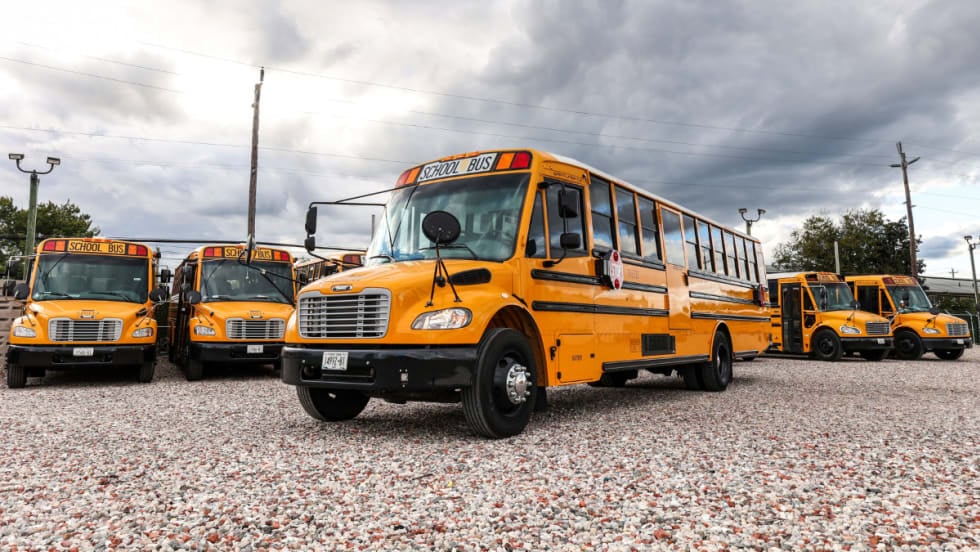
Logan Bus Company Rolls Out AI Phone System for NYC School Bus Families
A summer pilot found that AI agents could handle most routine calls, freeing up time for customer service staff to focus on emergencies and complex family concerns.
Read More →
From Intent to Impact: What I Learned About Leadership from TAPT
A Texas transportation supervisor shares lessons on self-awareness, accountability, managing stress and building trust — and why investing in leadership development matters at every stage of your career.
Read More →
NAPT Names 2026 Award Recipients, Hall of Fame Inductee
Who earned national recognition for their work in student transportation? This year, NAPT named five recipients of its 2026 awards for service, safety, and leadership, plus its newest Hall of Famer.
Read More →
Sponsored•September 2, 2026
2026 State of Student Transportation Report
Driver shortages. Rising costs. Growing safety expectations. More data, but not enough time to act on it. The 2026 State of Student Transportation Report reveals what transportation leaders say is putting the most pressure on their operations—and where they’re investing next. See how your priorities compare.
Read More →
How to De-Escalate an Angry Person: 5 Steps for Handling Workplace Conflict
What makes emotions run high, and how should you handle an angry colleague or parent? Follow these steps for staying calm, listening, showing empathy, and resolving conflict.
Read More →
Sponsored•September 1, 2026
What Readiness Looks Like This School Year
Learn about the challenges shaping the 2026–2027 school year, from persistent driver shortages and budget pressure to technology and readiness gaps. See how school districts are responding and adapting in Zonar’s 2026 Back-to-School Readiness Report.
Read More →