




Texas districts see cost savings from propane buses
Dallas County Schools is among the school systems in the state running buses on the fuel, and it reportedly saves about $500,000 annually with the $0.50-per-gallon tax credit. Officials from the Propane Council of Texas say that with the recent extension of alternative-fuel tax credits, districts will be able to save more money this year.

AUSTIN, Texas — The Propane Council of Texas reports that school districts around the state are saving money as a result of operating propane-powered school buses, and the council said that with the recent extension of alternative-fuel tax credits, they will be able to save more this year.
As SBFpreviously reported, the fiscal deal passed by Congress in early January includes provisions that benefit fleets that use alternative fuels. The so-called “fiscal cliff” bill extends tax credits for several alternative fuels, including propane autogas and compressed natural gas (CNG) and for related infrastructure.
A $0.50-per-gallon tax credit for propane, CNG and liquefied natural gas had also expired at the end of 2011, but the fiscal deal extends it through 2013 and applies it retroactively to 2012. Also extended through 2013 and applied back to 2012 is a $30,000 infrastructure tax credit for those and some other alternative fuels.
“It’s no secret that Texas schools have struggled in the wake of the roughly $5.4 billion state budget cut to public education funding last session,” said Jackie Mason of the Propane Council of Texas. “Many switched buses to propane autogas as a way to cut costs, and these tax extensions offer additional financial relief. Districts like Dallas County Schools have already saved millions on fuel costs with autogas buses, which also significantly reduce greenhouse gas emissions and harmful pollutants compared to gasoline or diesel buses.”
There are 2,078 propane-powered buses operating in 75 Texas school districts, according to the Railroad Commission of Texas.
The largest propane-powered school bus fleet in Texas, Dallas County Schools, saves about $500,000 annually with the $0.50-per-gallon tax credit. The district has utilized propane for nearly 20 years and saves approximately $1.5 million in fuel costs each year, according to Tim Jones of Dallas County Schools administration.
Northside Independent School District (ISD), the second-largest propane autogas bus fleet in the state with 40% of its buses running on the fuel, saved around $225,000 with the credit from 2011. Denton ISD recouped $170,000 with the 2011 credit, on top of saving $361,498 in fuel costs last year running buses on propane instead of diesel.
“The savings we experience with the tax credits increases each year as we add more propane autogas buses to the fleet,” Denton ISD Director of Transportation Aaron Robbins said. “Over a 13-year period as we’ve grown our autogas bus fleet from five to 104 clean vehicles, we have saved a grand total of $655,652 on the tax rebates alone.”
The Austin, Houston and Arlington ISDs recently installed new propane fueling infrastructure. Other Texas school systems running buses on the fuel include Alvin ISD, Conroe ISD, Eanes ISD, Leander ISD and Prosper ISD.
“Propane autogas is dependable and cheaper than gasoline or diesel," Mason added. "Plus, autogas vehicles and fueling stations are less expensive than other alternative fuels. For example, it’s possible to install 10 propane autogas fueling stations for the price of one compressed natural gas station. When you’re a fleet already working on a tight budget, those savings can mean the difference between switching to alternative fuel or not.”
More Alternative Fuels

CALSTART and Forth Combine to Form Catalyst Mobility
The new name represents a renewed vision for the nonprofit focused on advancing clean, equitable, and affordable transportation solutions that move people and goods.
Read More →
Alt-Fuel Moves: New Buses, Charging Hubs & Real-World EV Testing
Propane and electric school bus deployments continue to grow as districts add new vehicles, expand charging infrastructure, and gather more real-world operating data.
Read More →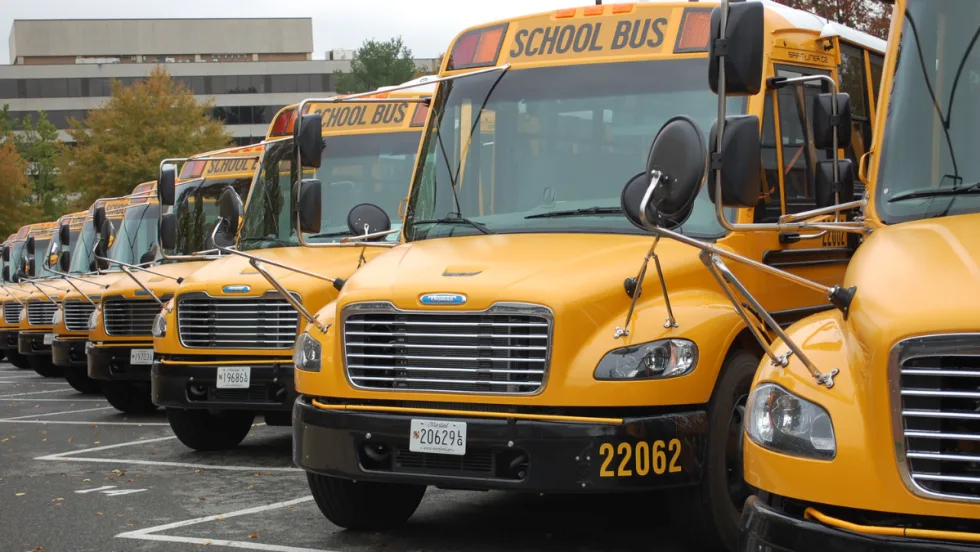
Fewer Electric School Bus Models Reshape the U.S. Market
WRI’s latest buyer’s guide points to a consolidating electric school bus market, but fewer options may reflect a maturing industry rather than fewer meaningful choices for school bus operators.
Read More →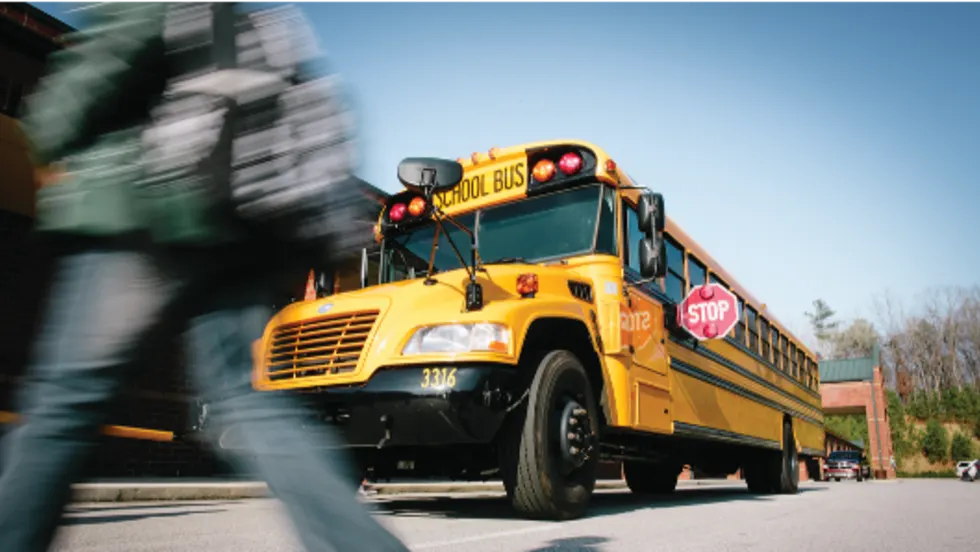
The Fuel Budget You Can Actually Predict: How Propane Autogas Keeps Money in the Classroom
Learn how propane autogas helps school districts manage fuel costs with predictable pricing, lower maintenance, and reduced emissions from former transportation director Joel Stutheit.
Read More →
Hendrickson, Driventic Introduce New Electric Powertrain for School Buses
ELECTRAAX, the electrified, lightweight drive axle offers integrated ePowertrain efficiency and modular flexibility for Class 6–7 school bus use.
Read More →
The Mobility House Joins PowerFlex in Fleet Electrification Deal
The acquisition combines intelligent charging software, bidirectional charging expertise, and fleet electrification services to support the growing adoption of electric school buses across North America.
Read More →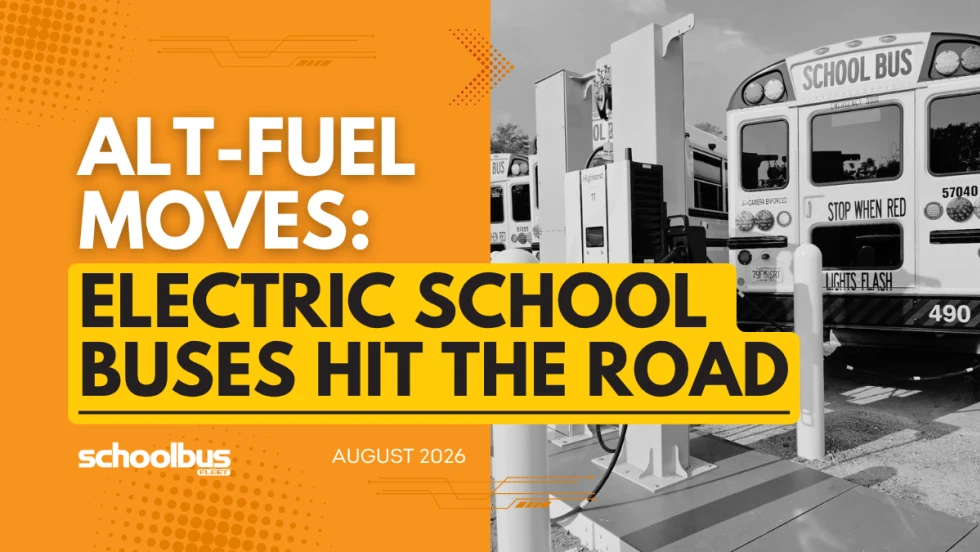
Alt-Fuel Moves: Electric School Bus Investments Hit the Road
See which districts across the U.S. are putting electric school buses into service, expanding charging infrastructure, and planning the next phase of fleet electrification.
Read More →
With Fuel Volatility Ahead, School Districts Turn to Propane
While diesel prices peaked above $5 this spring, districts with propane autogas-powered fleets paid under $2 per gallon, according to PERC.
Read More →
EPA Unveils Proposed Changes to 2027 Heavy-Duty Engine Rules
The federal agency has proposed changes to next year’s targets that would eliminate DEF derates, ease warranty requirements, and retain current NOx emissions standards.
Read More →
Alt-Fuel Moves: EV Charging & Infrastructure Projects Gain Momentum
The latest developments include new funding, charging infrastructure, utility investments, and fleet technologies designed to support the transition to electric school buses nationwide.
Read More →