




Texas Bill Takes Another Pass at School Bus Seat Belt Mandate
A new proposal calls for three-point belts on Texas school buses starting with model year 2018, but school boards could opt out due to budgetary constraints.

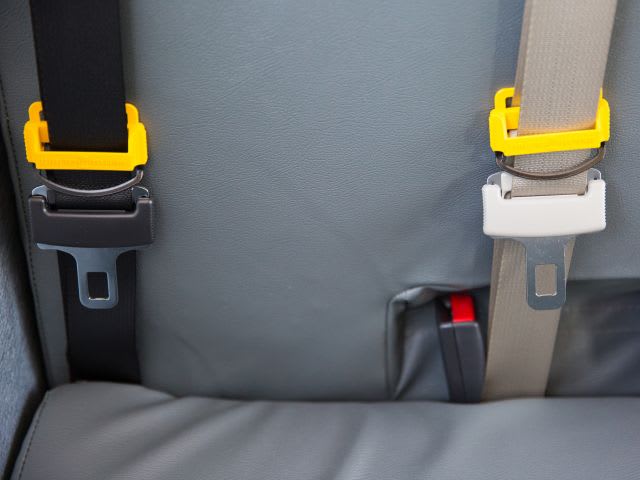
A proposal in Texas calls for three-point belts on new school buses, but school boards could opt out due to budgetary constraints. Photo courtesy Des Moines (Iowa) Public Schools
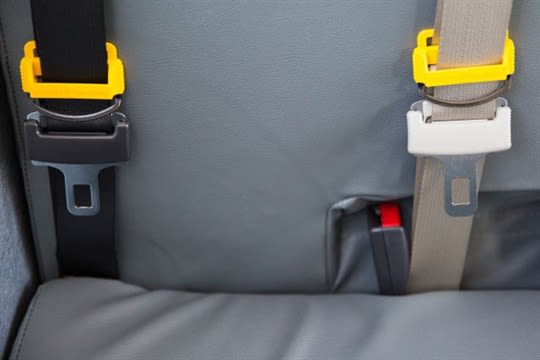
A proposal in Texas calls for three-point belts on new school buses, but school boards could opt out due to budgetary constraints. Photo courtesy Des Moines (Iowa) Public Schools
AUSTIN, Texas — State lawmakers are considering another attempt at requiring seat belts on new school buses in Texas.
The legislation, SB 693, calls for three-point belts on school buses beginning with model year 2018. The Texas Senate approved the bill on Wednesday in a 25-6 vote, moving it to the House for consideration.
Ten years ago, Texas passed legislation that required three-point belts on school buses starting in 2010, but only if the state Legislature appropriated money to reimburse school districts for the cost of the restraint systems. Since state funding is not being provided, school districts don’t have to comply. A few Texas districts, including Houston Independent School District, have begun voluntarily equipping their new buses with three-point belts.
The new proposal, authored by Texas Sen. Sylvia Garcia, would not be contingent on funding from the Legislature. However, the bill would allow school boards to vote to opt out if they determine “that the district's budget does not permit the district to purchase a bus that is equipped with the [three-point] seat belts required by this subsection.”
In addition to school buses and school activity buses operated by districts and contractors, Garcia’s bill would cover multifunction school activity buses and school-chartered buses.
"The goal of this legislation is to protect children, prevent injuries, and demonstrate that the state of Texas is serious about the safety of school children," Garcia said in a press release. "We spend a lot of tax dollars educating children to buckle up. Not requiring them to buckle up on the way to school is inconsistent.”
More Safety
How To Build a More Secure School Bus Yard During and After Hours
As thefts and overnight security threats continue, school transportation leaders are combining stronger operational practices with AI-enabled surveillance to better protect buses, facilities, and staff.
Read More →
FMCSA Names New Chief Safety Officer: What School Bus Operators Should Know
Steve Dowling is set to lead the federal agency's efforts to advance commercial motor vehicle safety and reduce crashes, fatalities, and injuries on the nation's roadways.
Read More →
New Study Finds School Zone Speed Safety Cameras Cut Speeding Violations 97%
A Florida university's research demonstrates that Verra Mobility's automated enforcement changes driver behavior and significantly improves school zone safety.
Read More →
What Changed in DOT’s New National Roadway Safety Strategy?
The federal agency's new plan shifts its focus to safer people, roads and vehicles, with a new three-pronged approach instead of five. One outlined action even addresses a key industry concern around illegal school bus passing.
Read More →
Are Autonomous Vehicles Ready to Safely Navigate School Bus Stops?
NHTSA is accelerating autonomous vehicle deployment through new safety standards and commercial approvals. See why school transportation leaders are watching.
Read More →
NFL Star Lomas Brown Kicks Off New Illegal School Bus Passing PSA
Just in time for the back-to-school season, the former Detroit Lions offensive tackle took time to record a video encouraging motorists to slow down around school buses.
Read More →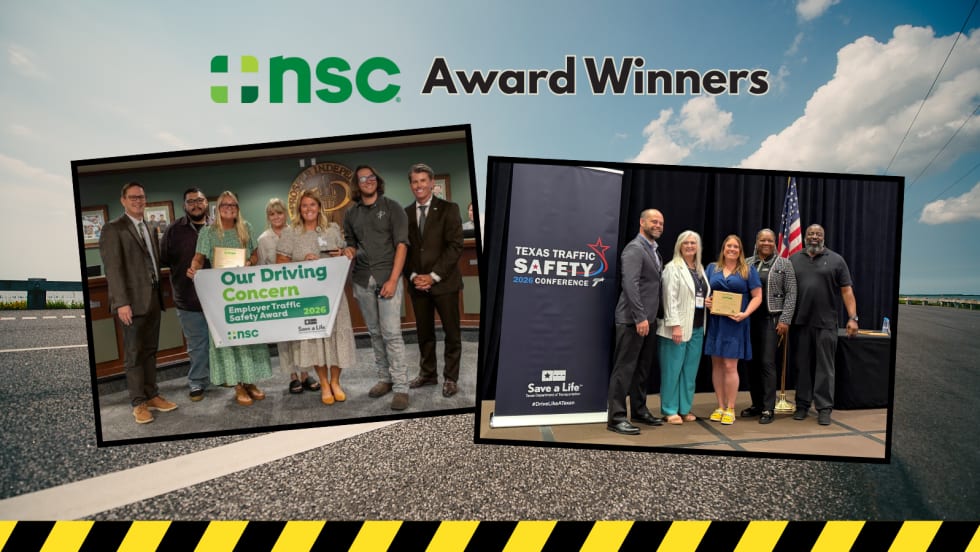
How Two Texas Districts Built Award-Winning Safety Programs
Learn how Prosper ISD and Rockwall ISD earned National Safety Council honors through hands-on training, safety culture, and strategies that reduced transportation incidents.
Read More →
NHTSA Releases 10-Year Review of Fatal School Bus Crashes
The latest federal analysis reinforces the safety of school buses while identifying where school-age pedestrians and other motorists remain most at risk.
Read More →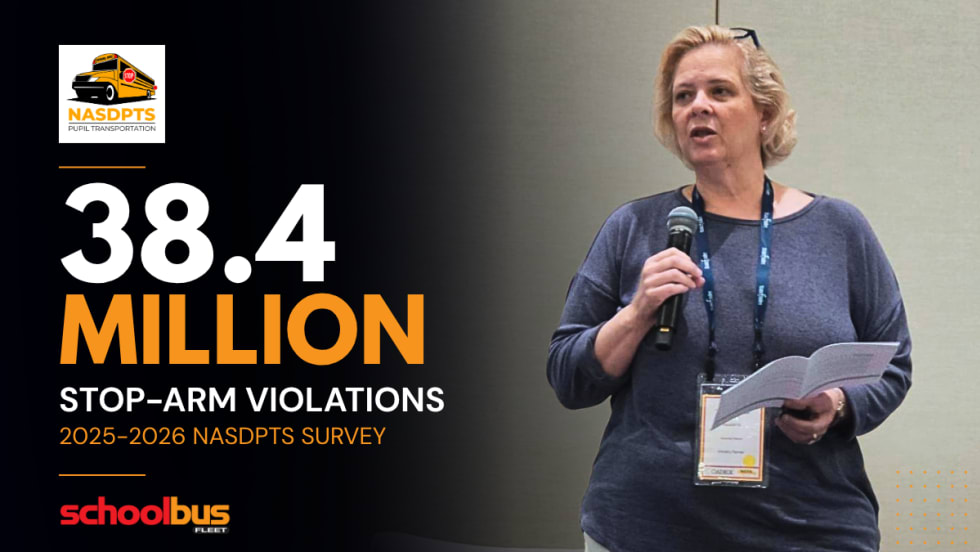
2026 NASDPTS Survey: Data Shows Further Reduction of Illegal Passing
New data is in! School bus stop-arm passings are down to 38.4 million violations per year, about a 2.3% decrease from last school year — but passings on the right side of the bus are higher than ever.
Read More →
Another School Bus Fatality Reported in Monsey, New York
A 7-year-old girl died after being struck by a school bus in Rockland County, New York while crossing the street. Here's what we know.
Read More →