




Study Measures Methane Impact of Natural Gas Vehicles
The research by West Virginia University scientists sheds light on the sources and amount of greenhouse-gas methane that is emitted in the natural gas supply chain.

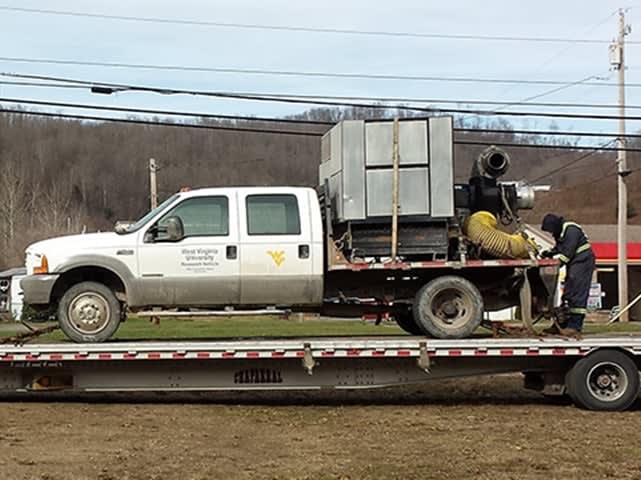
Research by West Virginia University scientists sheds light on the sources and amount of greenhouse-gas methane emitted across the natural gas supply chain. Photo courtesy WVU
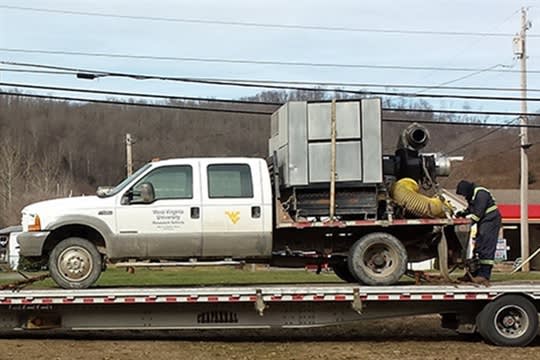
Research by West Virginia University scientists sheds light on the sources and amount of greenhouse-gas methane emitted across the natural gas supply chain. Photo courtesy WVU
A new study expands on the previously limited data on methane emissions from heavy-duty natural gas vehicles and refueling stations.
West Virginia University (WVU) scientists at the Center for Alternative Fuels, Engines and Emissions conducted the research, which was recently published by Environmental Science & Technology.
According to WVU, the pump-to-wheels study is the first end-use paper in a collaborative scientific research series designed to measure and better understand the sources and amount of greenhouse-gas methane that is emitted across the natural gas supply chain.
Natural gas-fueled vehicles are expected to play an increasing role in meeting future transportation fuel needs. By relying on a cleaner-burning fossil fuel, natural gas engines can produce less greenhouse gas emissions than diesel, according to WVU, but only if methane emissions are kept low.
Researchers are applying the study’s data to develop models to forecast methane emissions from the future heavy-duty transportation sector. The research aims to help the industry target improvements in engine technologies and fueling operations, and identify best practices for minimizing emissions.
“Natural gas vehicle and dispensing technology has evolved steadily,” said Nigel Clark, a WVU professor and one of the authors of the study. “We characterized methane emissions from real-world operations to support well-informed projections of future pump-to-wheels contributions from heavy-duty vehicle use.”
Researchers looked at methane emissions from the pump-to-wheels sector of the natural gas supply chain and characterized emissions factors for each major source associated with currently manufactured heavy-duty vehicles and fueling systems. The researchers studied 22 natural gas-fueled transit buses, refuse trucks, and over-the-road tractors, and six liquefied natural gas (LNG) and eight compressed natural gas refueling stations.
Scientists also examined cryogenic boil-off pressure rise and pressure control venting from LNG storage tanks. Vehicle tailpipe and crankcase emissions were found to be the highest sources of methane.
Industry group NGVAmerica said that the WVU study provides valuable insights for understanding emissions from natural gas vehicles and fueling stations.
“The findings confirm that many of the technologies being deployed on the latest generation of natural gas engines and refueling infrastructure are dramatically lowering emissions and continue to make natural gas the ‘greenest’ choice for fleets across North America,” said Matthew Godlewski, president of NGVAmerica.
The WVU study is available here.
More Alternative Fuels

CALSTART and Forth Combine to Form Catalyst Mobility
The new name represents a renewed vision for the nonprofit focused on advancing clean, equitable, and affordable transportation solutions that move people and goods.
Read More →
Alt-Fuel Moves: New Buses, Charging Hubs & Real-World EV Testing
Propane and electric school bus deployments continue to grow as districts add new vehicles, expand charging infrastructure, and gather more real-world operating data.
Read More →
Fewer Electric School Bus Models Reshape the U.S. Market
WRI’s latest buyer’s guide points to a consolidating electric school bus market, but fewer options may reflect a maturing industry rather than fewer meaningful choices for school bus operators.
Read More →
The Fuel Budget You Can Actually Predict: How Propane Autogas Keeps Money in the Classroom
Learn how propane autogas helps school districts manage fuel costs with predictable pricing, lower maintenance, and reduced emissions from former transportation director Joel Stutheit.
Read More →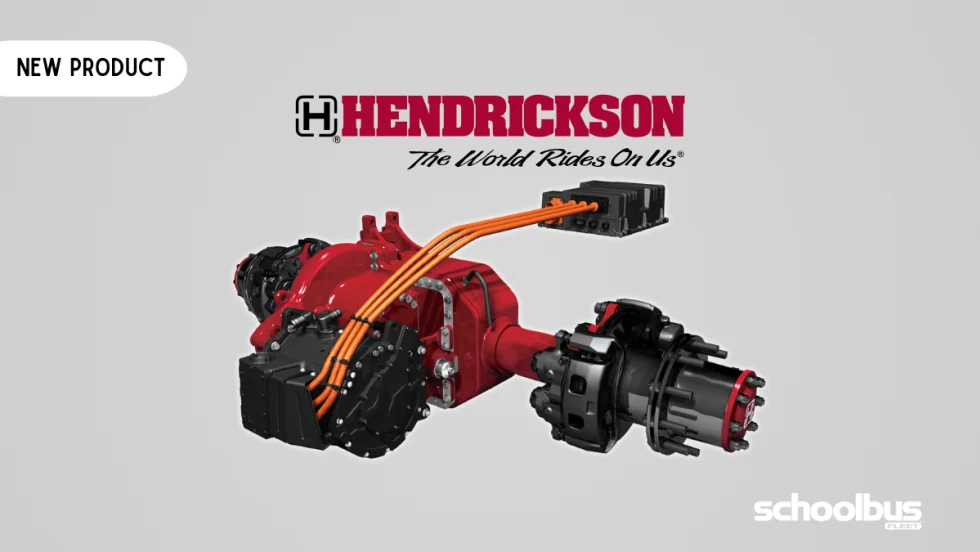
Hendrickson, Driventic Introduce New Electric Powertrain for School Buses
ELECTRAAX, the electrified, lightweight drive axle offers integrated ePowertrain efficiency and modular flexibility for Class 6–7 school bus use.
Read More →
The Mobility House Joins PowerFlex in Fleet Electrification Deal
The acquisition combines intelligent charging software, bidirectional charging expertise, and fleet electrification services to support the growing adoption of electric school buses across North America.
Read More →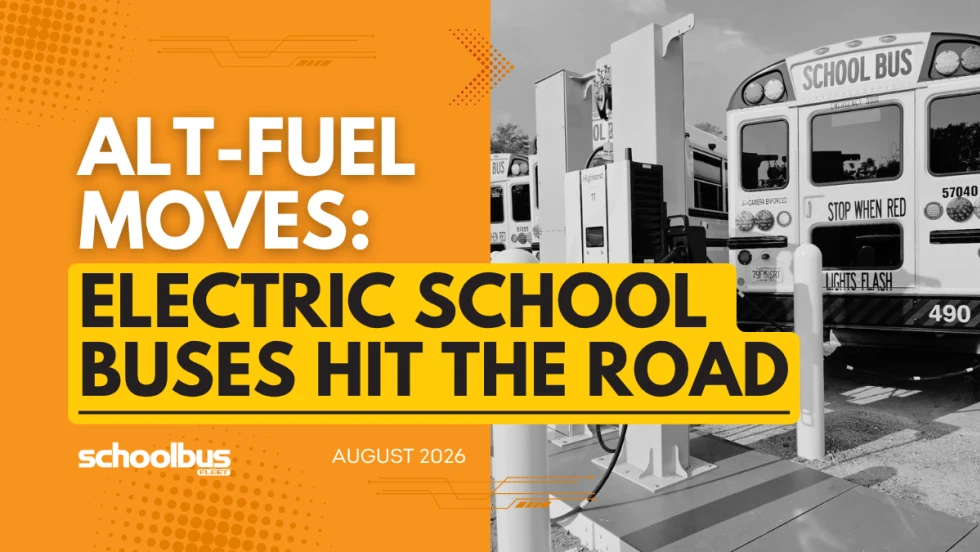
Alt-Fuel Moves: Electric School Bus Investments Hit the Road
See which districts across the U.S. are putting electric school buses into service, expanding charging infrastructure, and planning the next phase of fleet electrification.
Read More →
With Fuel Volatility Ahead, School Districts Turn to Propane
While diesel prices peaked above $5 this spring, districts with propane autogas-powered fleets paid under $2 per gallon, according to PERC.
Read More →
EPA Unveils Proposed Changes to 2027 Heavy-Duty Engine Rules
The federal agency has proposed changes to next year’s targets that would eliminate DEF derates, ease warranty requirements, and retain current NOx emissions standards.
Read More →
Alt-Fuel Moves: EV Charging & Infrastructure Projects Gain Momentum
The latest developments include new funding, charging infrastructure, utility investments, and fleet technologies designed to support the transition to electric school buses nationwide.
Read More →