




Steering Wheel Pad Designed to Detect Alcohol Use Within Seconds
Sober Steering’s sensor pad of the same name can be affixed to a steering wheel and detect the presence of alcohol within seconds of the driver placing their hand on it.

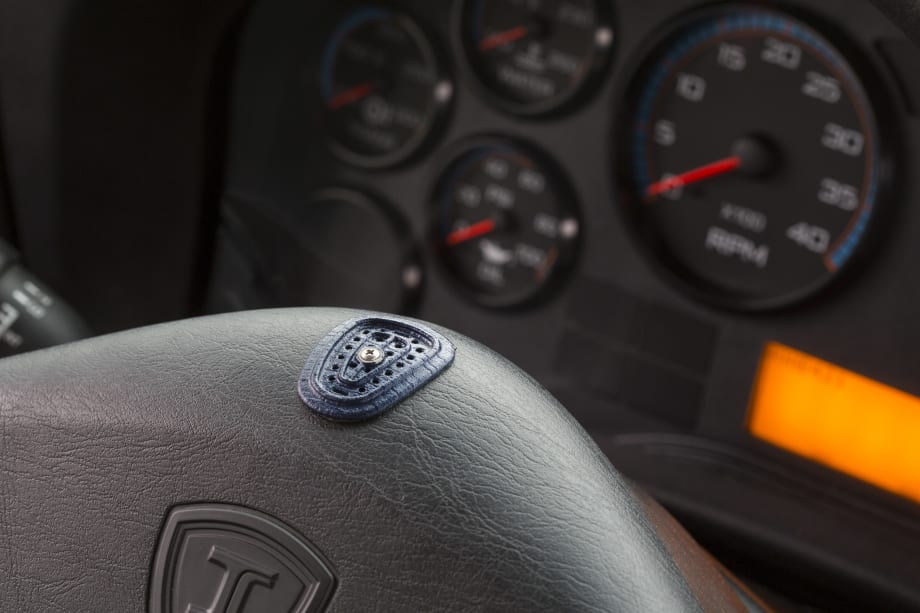
Sober Steering’s sensor pad can be affixed to a steering wheel and detect the presence of alcohol within seconds of the driver placing their hand on it.
Sober Steering’s sensor pad can be affixed to a steering wheel and detect the presence of alcohol within seconds of the driver placing their hand on it.
WATERLOO, Ontario — A Canadian company here has brought to market a tool to help prevent drunk drivers from getting behind the wheel by using the steering wheel itself.
Sober Steering has created a pad with the same name for the steering wheel that features a touch-based ignition interlock that can detect alcohol in the driver’s system within seconds of them placing their hand on it.
The transdermal technology, in the form of biosensors in the pad, can “sniff” gases from the skin to detect alcohol in the driver’s system, said Catherine Carroll, CEO of Sober Steering. The biosensors then analyze the gases emitted from the skin, and if the amount of alcohol detected exceeds a pre-set limit, the vehicle is immobilized, and an instant message is sent to school transportation personnel.
The concept for the technology came from the company’s knowledge of military sensors that are placed on the tip of a deployed missile that “sniffs” the air to determine what chemicals are present in the atmosphere, Carroll said.
Sober Steering chose school transportation as its first market for the sensor pad.
“When we were considering how we wanted to introduce this alcohol sensor, we said we need to target the most valuable assets in a vehicle,” Carroll said.
Although it may seem similar to the Breathalyzer, an instrument that assesses blood alcohol content from a breath sample, what differentiates Sober Steering is not only that it can detect alcohol use within five to seven seconds, as opposed to about 30 seconds with the Breathalyzer, but also that it is discreet, because it is located on the steering wheel, Carroll explained.
Breathalyzers have been available for about 40 years but they have not typically been employed in school buses, Carroll said, which she believes is mostly because of the trust that exists between the parent and the driver.
“If the parent sees the driver blowing into a Breathalyzer, it impacts that trust, so you want something that is a little more discreet but ensures there is no driving [under the influence.]”
Sober Steering will soon have approximately 430 of the sensor pads installed in Waterloo Region District school vehicles in Ontario, Canada, by September 2017. The installation is a preventive measure that aims to improve student safety and is not a response to an incident involving the school system's buses, said Benoit Bourgault, general manager for Student Transportation Services of Waterloo Region.
A sensor designed to detect marijuana is on the horizon, Carroll added.
Carroll also stressed that even if there is not much discussion about the potential tragedy that can stem from drunk driving, that doesn’t mean it isn’t happening, and that schools and bus companies can’t take even greater preventive measures.
“It happens regularly, and it shouldn’t ever happen, because the technology exists to prevent it,” she added. “The sad thing is, even your best driver can have a single bad day. But in this profession, a single bad day means putting 72 children's lives in danger.”
More Safety
School's Back. Here's What Happened to Traffic, Speeding & Distraction
What happens to traffic when school resumes? New data analysis examines changes in distracted driving, congestion, and speeding around schools.
Read More →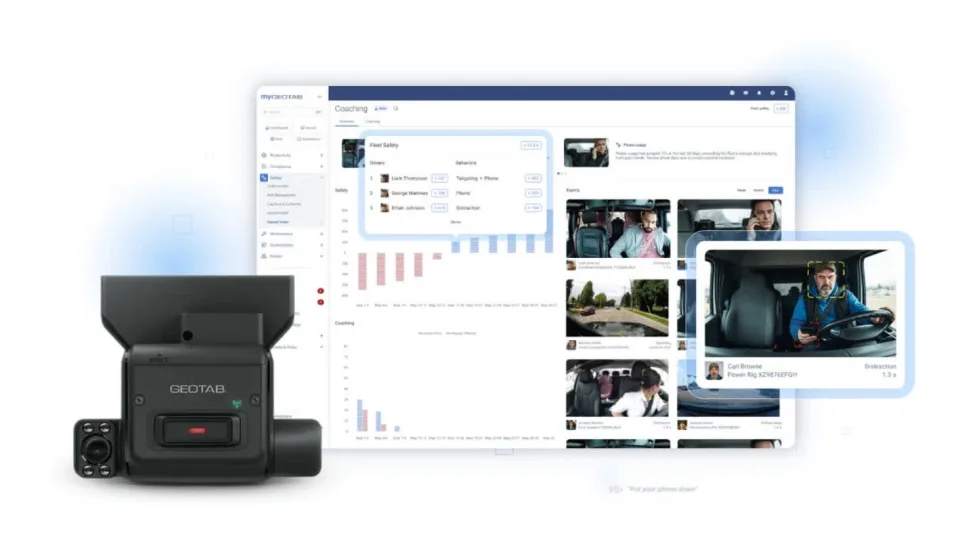
Geotab Expands Fleet Safety Tools With Video Coaching, Risk Insights
New safety and video capabilities aim to help fleet managers assess risk, support drivers, and take targeted action through video coaching, red-light violation detection, and more.
Read More →
How to Build a Better School Bus Driver Training Program
Is it time to strengthen your driver training? Here’s how to pick the right talent and improve recruitment, retention, and safety. This video is brought to you by IC Bus.
Read More →

Recent School Bus Accidents Leave 2 Dead, 2 Injured
Four school bus crashes in Florida, Illinois, and Georgia highlight risks in transportation lots, at bus stops, and during student loading and unloading.
Read More →
When Every Second Matters, Clarity Keeps Routes Moving
From routine delays to urgent incidents, strong communication practices help drivers, dispatchers, schools, and families respond with confidence.
Read More →
What Happens When a School Bus Catches Fire — and What Can Help
School bus fires are rare but can be devastating. Learn how advances in fire suppression and asset protection help fleets detect fires earlier, reduce damage, and improve safety.
Read More →
Geotab Launches Tool to Help Fleets Investigate Road Incidents
Geotab Investigations combines telematics data, video, documents, and other evidence to help fleets reconstruct incidents, resolve claims, and determine what happened.
Read More →
Texas Sixth Grader Wins 2026 National School Bus Safety Poster Contest
Sai Darshana Yekolu of Moseley Middle School in Prosper, Texas, was named the newest winner for her artwork, bringing the theme of “Safe Rides, Everyday Heroes” to life.
Read More →
Doing More With Less: How Transportation Directors Can Prioritize Safety Amid Budget Uncertainty
With diesel prices soaring and nearly one-third of transportation directors expecting budget cuts, maintaining student safety has never been more challenging. Download this guide to learn how leading districts are prioritizing risk, funding critical safety technology, and building stronger budget cases with data.
Read More →
Walton County Schools Adds Gatekeeper Stop-Arm Enforcement System
The Florida district will deploy Gatekeeper’s updated Student Protector technology, which now incorporates AI to improve video evidence.
Read More →