




Researchers studying new way to make tires
The team at Michigan State University’s biochemistry and molecular biology department believes that a manmade version of isoprene, a gas, could provide an alternative source for synthetic rubber production. The researchers have made bio-isoprene using an enzyme and bacteria.

EAST LANSING, Mich. — Researchers at Michigan State University believe that a manmade version of isoprene, a gas, could provide an alternative to rubber when making tires.
Isoprene is given off by many trees, ferns and mosses, and some plants use it as a mechanism to tolerate heat stress.
Tom Sharkey, chairperson of the Michigan State University biochemistry and molecular biology department, and his research team have measured rates of isoprene emission from plants that are used by the EPA to predict lower-atmosphere ozone levels. The team has also created models to measure how much isoprene plants release on a global scale.
“I’ve found that isoprene research is irresistible,” Sharkey said. “Once it was clear how much isoprene trees and plants produce and how biologically produced isoprene could be a key ingredient in making tires, it was natural to wonder if we could produce isoprene on a commercial scale.”
The majority of automobile tires are made of natural rubber from latex-bearing trees. Since rubber is made up of isoprene, Sharkey has worked to create a manmade version, bio-isoprene, which officials said can serve as an eco-friendly alternative source for synthetic rubber production.
Other researchers have made isoprene from petroleum to make synthetic rubber. Sharkey’s team, however, is working to produce bio-isoprene using an enzyme he has cloned. With the enzyme, Sharkey has made bio-isoprene using bacteria. Ultimately, he hopes this process would take in carbon dioxide and discharge bio-isoprene using only sunlight as an energy source.
More Management
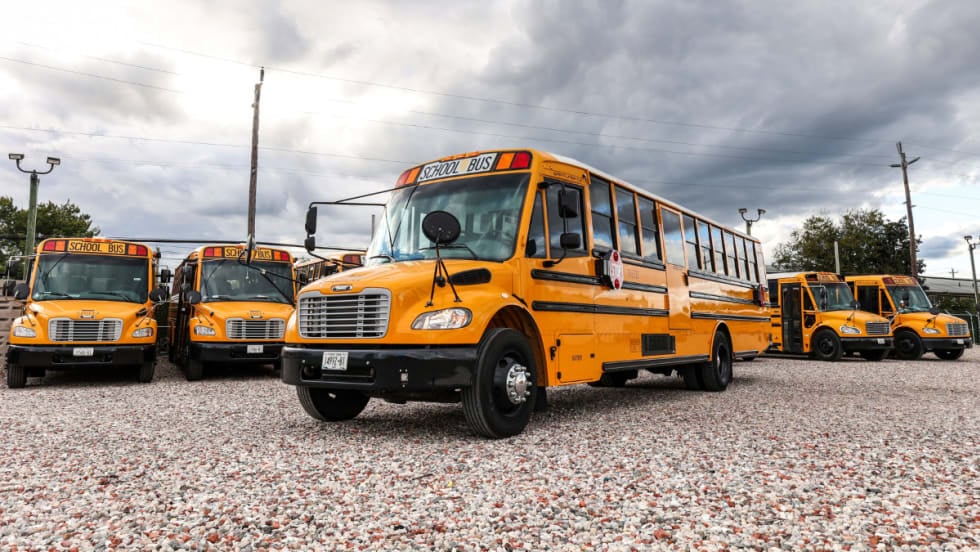
Logan Bus Company Rolls Out AI Phone System for NYC School Bus Families
A summer pilot found that AI agents could handle most routine calls, freeing up time for customer service staff to focus on emergencies and complex family concerns.
Read More →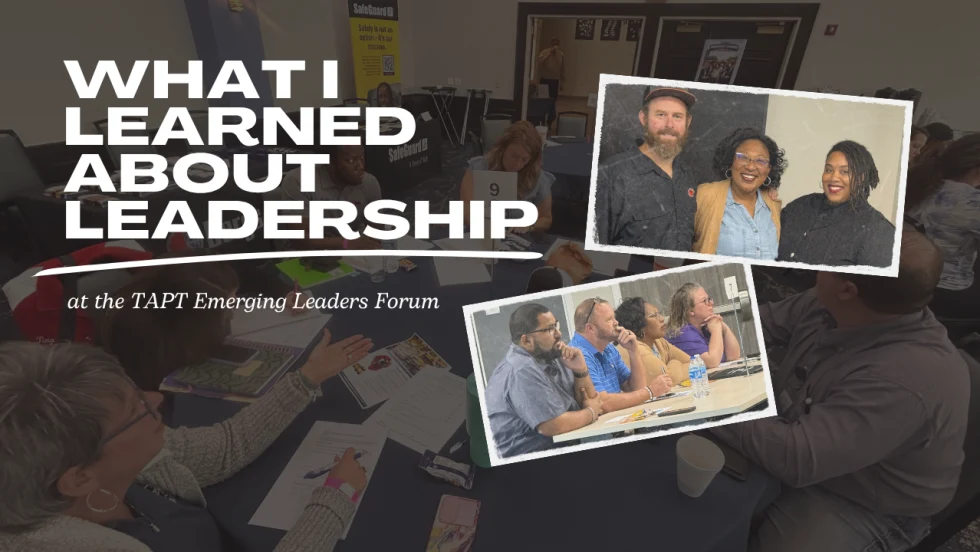
From Intent to Impact: What I Learned About Leadership from TAPT
A Texas transportation supervisor shares lessons on self-awareness, accountability, managing stress and building trust — and why investing in leadership development matters at every stage of your career.
Read More →
NAPT Names 2026 Award Recipients
Who earned national recognition for their work in student transportation? This year, NAPT named five recipients of its 2026 awards for service, safety, and leadership.
Read More →

2026 State of Student Transportation Report
Driver shortages. Rising costs. Growing safety expectations. More data, but not enough time to act on it. The 2026 State of Student Transportation Report reveals what transportation leaders say is putting the most pressure on their operations—and where they’re investing next. See how your priorities compare.
Read More →
How to De-Escalate an Angry Person: 5 Steps for Handling Workplace Conflict
What makes emotions run high, and how should you handle an angry colleague or parent? Follow these steps for staying calm, listening, showing empathy, and resolving conflict.
Read More →
What Readiness Looks Like This School Year
Learn about the challenges shaping the 2026–2027 school year, from persistent driver shortages and budget pressure to technology and readiness gaps. See how school districts are responding and adapting in Zonar’s 2026 Back-to-School Readiness Report.
Read More →
Changing Lanes: Executive Moves at Summit School Services, Zum, STA, Cummins, Transit Technologies, Driventic, & Cadex
See who's been hired, promoted, and appointed to leadership positions at various school transportation industry suppliers and private contractors.
Read More →
Industry Moves: Companies Expand Fleet Service & EV Infrastructure Footprints
The new facilities and regional hubs could mean faster access to shop equipment, charging support, and transportation technology for fleet operators.
Read More →
Doing More With Less: How Transportation Directors Can Prioritize Safety Amid Budget Uncertainty
With diesel prices soaring and nearly one-third of transportation directors expecting budget cuts, maintaining student safety has never been more challenging. Download this guide to learn how leading districts are prioritizing risk, funding critical safety technology, and building stronger budget cases with data.
Read More →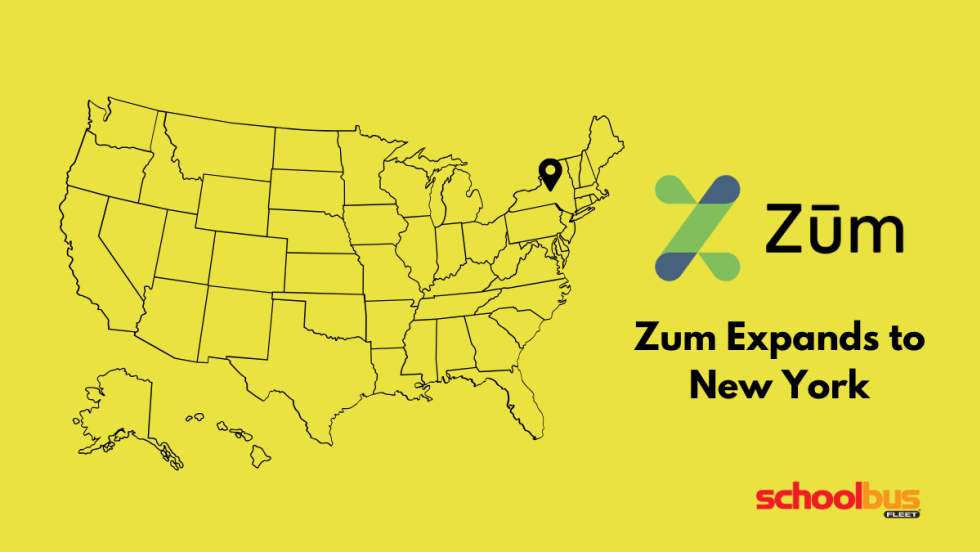
Zum Reaches 19 States With New York Expansion
The addition of the Empire State to the student transportation company's roster marks a growing expansion in the Northeast as it scales its tech and school bus services.
Read More →