




Researchers engineer E. coli to make fuels
Officials at the U.S. Department of Energy’s Joint BioEnergy Institute have engineered the first strains of the bacteria that can digest switchgrass biomass and synthesize its sugars into advanced biofuels to replace gasoline, diesel and jet fuels. The microbes are reportedly able to do this without enzyme additives.

Researchers with the U.S. Department of Energy’s Joint BioEnergy Institute (JBEI) have made new strides toward the development of advanced biofuels that can replace gasoline, diesel and jet fuels with a domestically-produced “green” alternative.
Researchers have engineered the first strains of Escherichia coli bacteria, commonly referred to as E. coli, that can digest switchgrass biomass and synthesize its sugars into all three of those transportation fuels. Moreover, the microbes are reportedly able to do this without any help from enzyme additives.
“This work shows that we can reduce one of the most expensive parts of the biofuel production process, the addition of enzymes to depolymerize cellulose and hemicellulose into fermentable sugars,” said Jay Keasling, CEO of JBEI and leader of this research. “This will enable us to reduce fuel production costs by consolidating two steps — depolymerizing cellulose and hemicellulose into sugars, and fermenting the sugars into fuels — into a single step or one pot operation.”
The JBEI researchers attribute the success of this work to the “unparalleled genetic and metabolic tractability” of E. coli. However, the researchers believe that the techniques used in this demonstration should also be adapted to other microbes, which officials say would open the door to the production of advanced biofuels from lignocellulosic feedstocks that are ecologically and economically appropriate to grow and harvest anywhere in the world.
For more information on the researchers’ work with E. coli, click here.
More Alternative Fuels
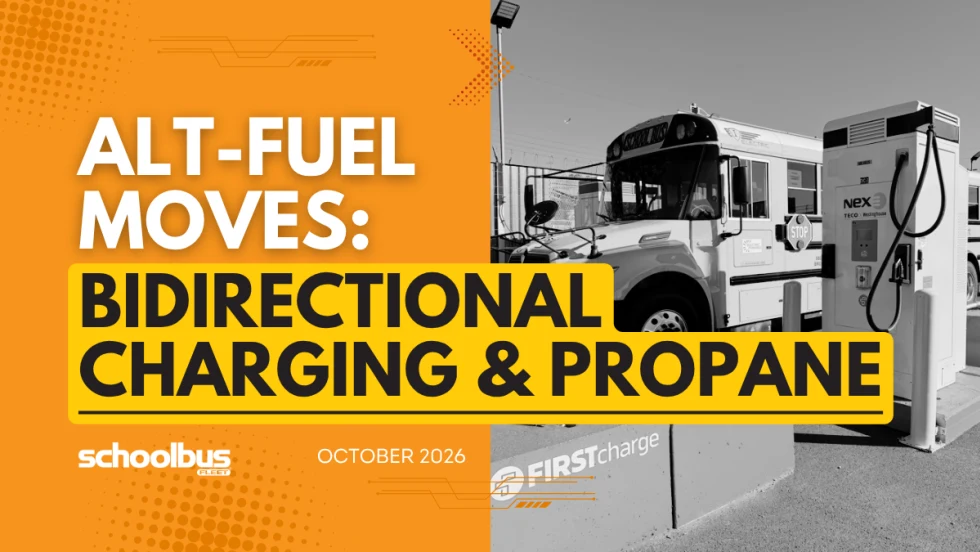
Alt-Fuel Moves: Electric Bus Rollouts, Bidirectional Charging & Propane Growth
See which fleets are adding electric and propane school buses as districts and operators invest in charging infrastructure, bidirectional technology, and alternative-fuel expansion.
Read More →
Nobody Told Diesel Prices They Were Supposed to Come Down
With diesel prices surging, school bus fleets have new reason to stress-test fuel costs, consider diversification, and calculate what each route really costs to operate.
Read More →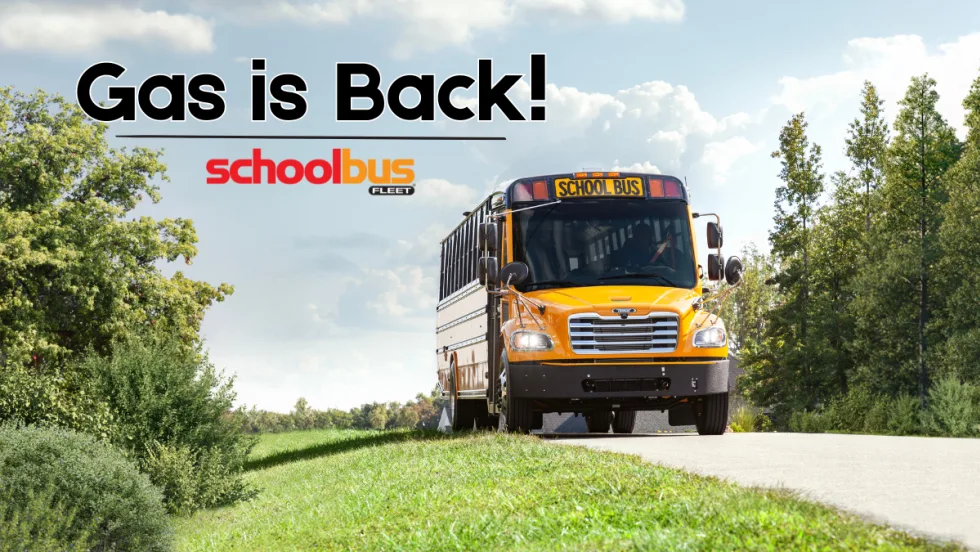
Why Gasoline School Buses Are Making a Comeback
Gasoline is gaining ground in full-size school buses. See how today’s options stack up against diesel on cost, maintenance, emissions, performance, and more.
Read More →
EPA Opens $180M DERA Funding Round for Diesel Upgrades
The 2026 Diesel Emissions Reduction Act program seeks applications from eligible organizations to accelerate the retirement of legacy diesel vehicles.
Read More →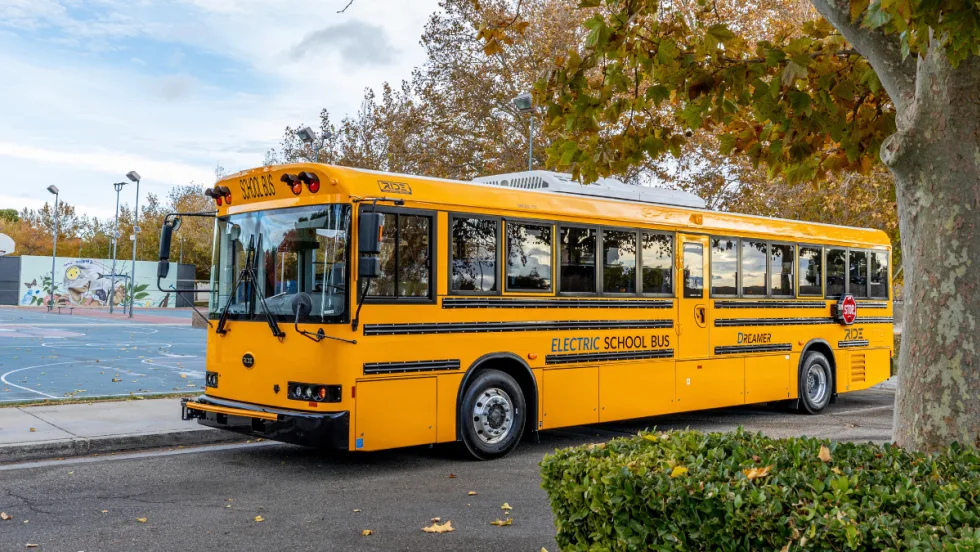
The Secret Life of an Electric School Bus Battery
Batteries change throughout years of daily routes, but degradation doesn’t necessarily mean the end. Here’s what operators should know about performance, safety, and second life.
Read More →
CALSTART and Forth Combine to Form Catalyst Mobility
The new name represents a renewed vision for the nonprofit focused on advancing clean, equitable, and affordable transportation solutions that move people and goods.
Read More →
Alt-Fuel Moves: New Buses, Charging Hubs & Real-World EV Testing
Propane and electric school bus deployments continue to grow as districts add new vehicles, expand charging infrastructure, and gather more real-world operating data.
Read More →
Fewer Electric School Bus Models Reshape the U.S. Market
WRI’s latest buyer’s guide points to a consolidating electric school bus market, but fewer options may reflect a maturing industry rather than fewer meaningful choices for school bus operators.
Read More →
The Fuel Budget You Can Actually Predict: How Propane Autogas Keeps Money in the Classroom
Learn how propane autogas helps school districts manage fuel costs with predictable pricing, lower maintenance, and reduced emissions from former transportation director Joel Stutheit.
Read More →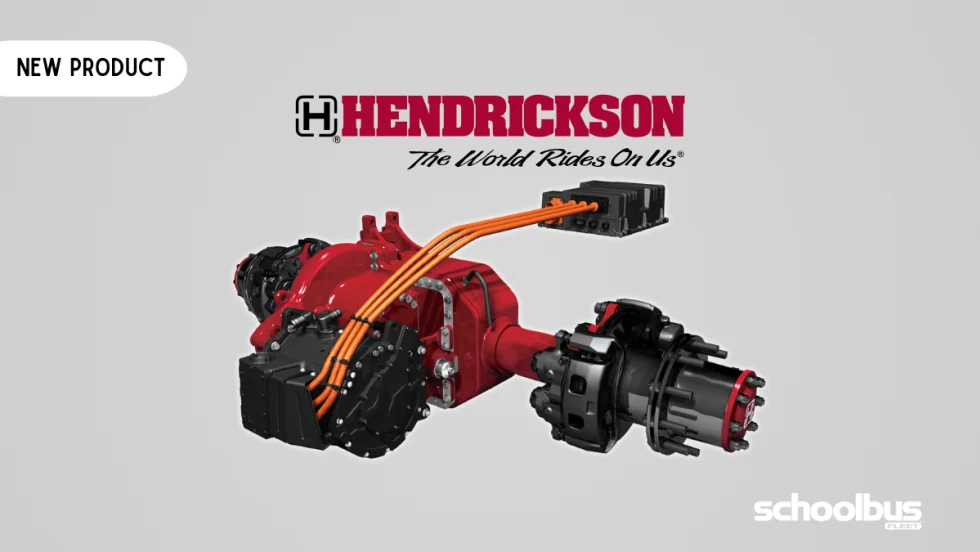
Hendrickson, Driventic Introduce New Electric Powertrain for School Buses
ELECTRAAX, the electrified, lightweight drive axle offers integrated ePowertrain efficiency and modular flexibility for Class 6–7 school bus use.
Read More →