




Report Examines Traditional School Transportation Models
In its new report, Bellwether Education Partners looks at the structure of school transportation systems, funding mechanisms, and other topics.

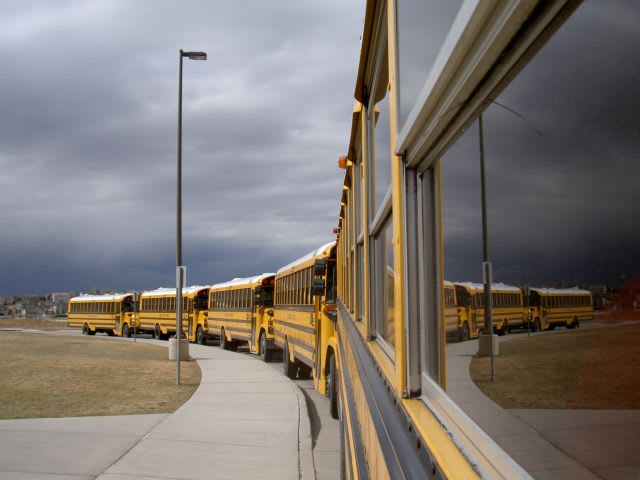
In its new report, Bellwether Education Partners looks at the structure of school transportation systems, funding mechanisms, and other topics.

WASHINGTON, D.C. — A new report from an education advisory firm evaluates traditional models of school transportation and makes recommendations that it says could increase efficiency.
The report, titled “Miles to Go: Bringing School Transportation into the 21st Century,” was released on Tuesday by Bellwether Education Partners. The nonpartisan nonprofit also held an event with the same title in Washington on Tuesday. (An archived video of the event is available here.)
In the report, Bellwether examines the structure of school transportation systems, related regulations, funding mechanisms, student safety, the impact of school choice, the need for data, and environmental effects.
The firm offers recommendations in three areas that target efficiency in district-provided transportation:
• Investments in data collection and technology systems.
• Changes to state funding structures to incentivize efficiency.
• Increased policy flexibility to allow districts to be more responsive to local needs.
Beyond those recommendations, Bellwether also questions “whether it makes sense for school districts to continue as the central administrators of school transportation services, particularly in larger metropolitan areas.”
To access the Bellwether report, go here.
More Management
Switzer-CARTY Enters the U.S. with New Acquisition
The Canadian contractor’s acquisition of Minnesota-based Agnes Corporation marks its first cross-border expansion into the United States and adds 350 vehicles.
Read More →
BusRight Adds New Rider Tracking Technology
Safety Pass is an NFC-based student ridership tracking solution that provides real-time boarding and drop-off data to improve school bus safety and family communication.
Read More →
EverDriven Launches RideAware App With Real-Time Student Ride Visibility
The updated platform’s new features improve communication among caregivers, districts, and drivers while streamlining trip updates.
Read More →

How School Transportation Departments Can Help Acclimate New Riders to the Bus
Here's how transportation departments can turn first-day jitters into confidence for students and parents alike.
Read More →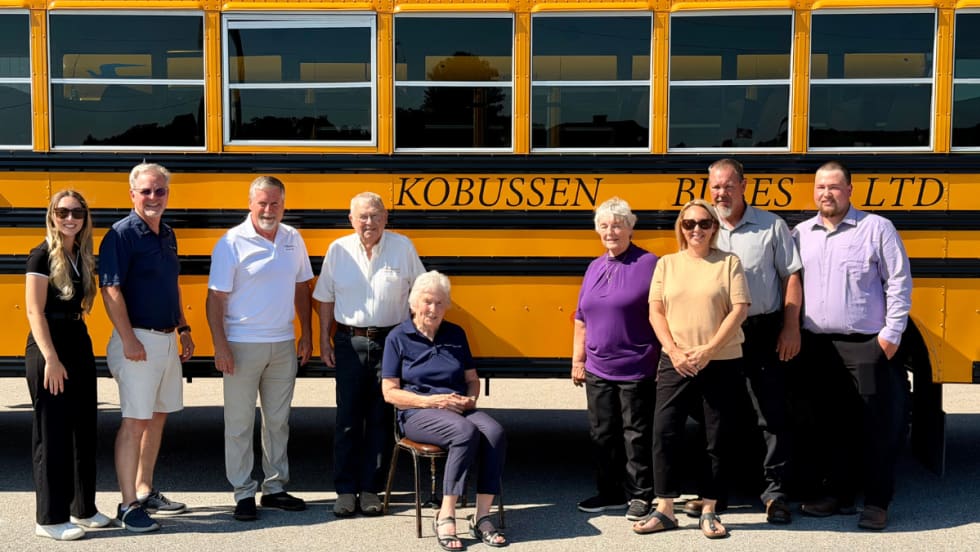
Neighbors Helping Neighbors: Nearly 90 Years of Safely Transporting Wisconsin Students
From one farmer's act of service to a fourth-generation family business, Kobussen Buses reflects on nearly 90 years of earning the trust of Wisconsin families.
Read More →
Changing Lanes: AMF Bruns, Pro-Vision, CALSTART, HopSkipDrive, & Kooner
Check out who's been hired, promoted, and appointed to leadership positions at various school transportation industry suppliers and nonprofits.
Read More →
NCST Announces 18th Congress Event Dates, New Committees
The National Congress on School Transportation moves to St. Louis in May 2029, convening delegates and industry representatives to discuss new best practice recommendations. Now, the new committee chairs have been named.
Read More →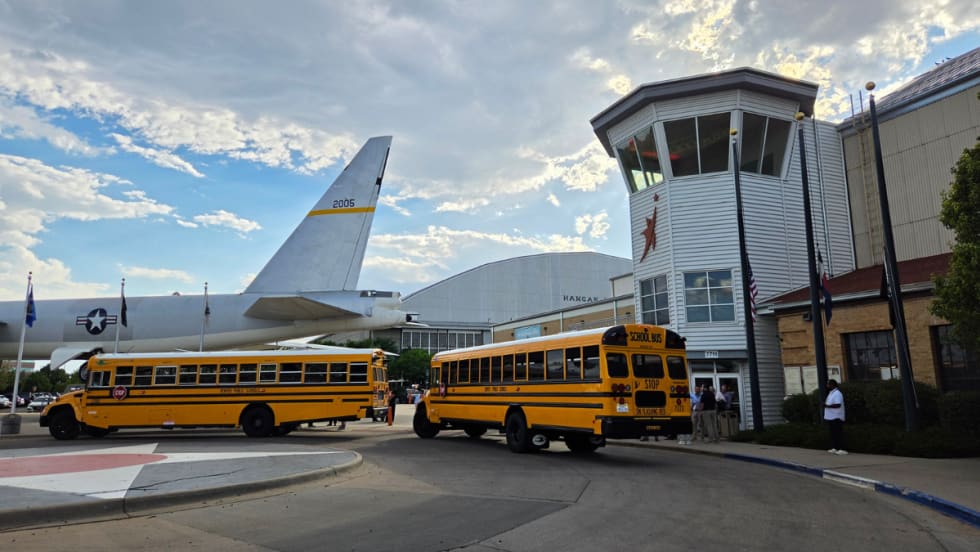
Key Moments from the 2026 NSTA Annual Meeting in the Mile High City
From federal policy updates and OEM presentations to speed networking and industry awards, see photos and highlights from the contractor association’s summer conference in Denver.
Read More →
HopSkipDrive Launches Spanish-Language App Update, Plans Additional Language Support
The update aims to improve communication with multilingual families by offering ride tracking, notifications, and support in Spanish, with more languages planned for the 2026-2027 school year.
Read More →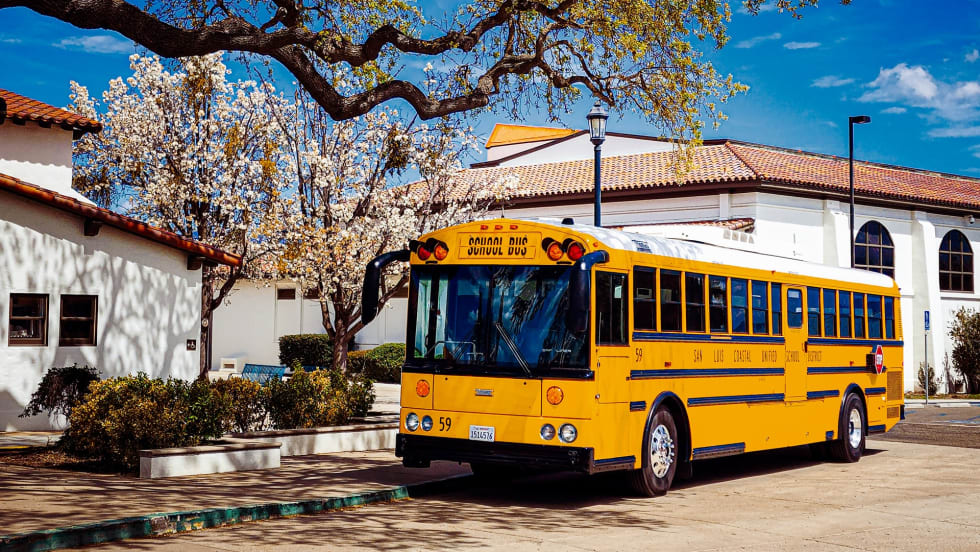
Where the Yellow Bus Takes Us: School Bus Fleet's 2026 Photo of the Year Winners
See the winning photos from School Bus Fleet's 2026 Photo of the Year contest, featuring stunning school bus images from across the U.S., from scenic landscapes to everyday moments.
Read More →