




Bluth: Transportation Input Needed in School Reform
At SBX, special-needs transportation expert Linda Bluth discusses the policies of new Education Secretary Betsy DeVos and stresses that “safe transportation must be a part of the agenda.”

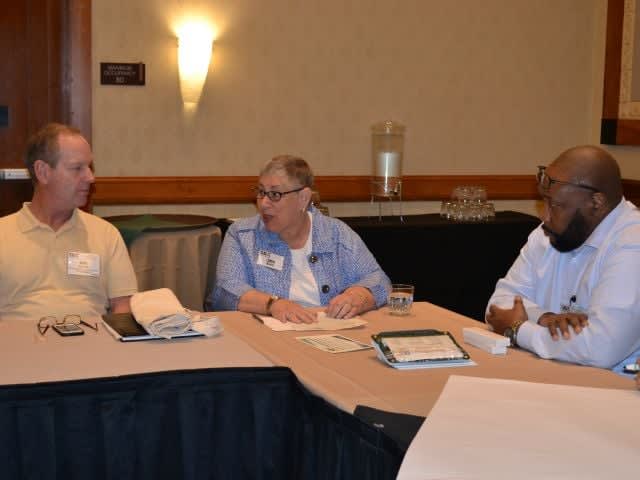
At SBX, Linda Bluth talked with attendees about the policies of new Education Secretary Betsy DeVos and the need for safe transportation to be part of the agenda in school reform.
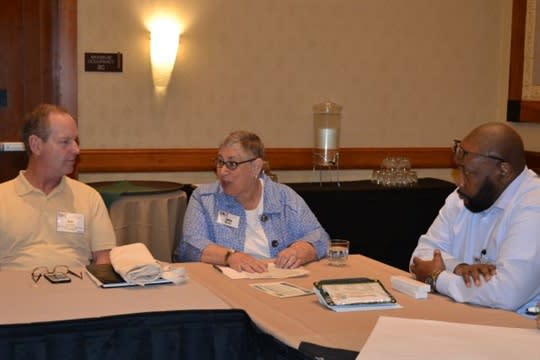
At SBX, Linda Bluth talked with attendees about the policies of new Education Secretary Betsy DeVos and the need for safe transportation to be part of the agenda in school reform.
SCOTTSDALE, Ariz. — The potential impact of school reform on pupil transportation was the subject of a timely speech by Linda Bluth at the recent School Bus eXchange (SBX).
Bluth, a special-needs transportation expert and past NAPT president, was the keynote speaker at the 2017 SBX event, which was held April 3 to 5 in Scottsdale.
In her presentation — titled “Is the school bus industry idling while education reform is on the move?” — Bluth discussed the policies of new U.S. Education Secretary Betsy DeVos, who is a proponent of school choice, charter schools, and vouchers to enable students to attend private schools with public funding.
Bluth noted that transportation has been found to be a barrier to school choice — for example, charter and magnet schools often don’t provide school bus service. If more parents choose to send their children to those types of nontraditional schools, one of the side effects could be that fewer students will ride school buses.
While there is still much uncertainty on the practical effects of DeVos’ policies on pupil transportation, Bluth exhorted SBX attendees — and the industry in general — to find ways to contribute their expertise to the school reform efforts.
“Safe transportation must be a part of the agenda with respect to schoolchildren under school reform,” Bluth said, adding that the pupil transportation community “cannot afford to take a position of waiting to see.”
Bluth suggested that the industry consider developing a unified position on the school reform topic. She noted that there was a lack of pupil transportation input in a recent joint letter that 40 groups — including the National PTA and the National Association of State Directors of Special Education — sent to a Senate committee with “numerous questions regarding [DeVos’] views on policies that impact students with disabilities.” (Read the letter here.)
“I can only stress how important it is for us to be proactive,” Bluth told the SBX audience. “This is the time to impact the secretary’s knowledge about transportation positively.”
Bluth also moderated a roundtable in which attendees conferred on the school reform issues that she presented in her keynote speech. Some roundtable participants expressed concerns about a potential decrease in the number of school buses they operate, as well as the possibility of having to transport some students farther.
When asked what they will do “to get your voices heard,” ideas included bringing concerns to the attention of the school board, the district superintendent, and the state superintendent.
More Management

EverDriven Launches Route Consolidation Calculator to Estimate Diesel Savings
As diesel prices hit record highs, the largest alternative transportation provider says a 10% route consolidation could save a 120-route district more than $78,000 a year in fuel alone.
Read More →
Zum Secures Continued Financing Support for School Bus Expansion
Generate Private Credit has financed approximately $75 million in school bus deployments across three states, supporting more than 500 buses as Zum expands across the county.
Read More →
Beyond Discipline: A Different Approach to Student Behavior on the Bus
After implementing a dean of students program in Oregon, North Clackamas is seeing positive improvements. Here’s how it worked. The Route is brought to you by IC Bus.
Read More →
A Dean of Transportation's Different Approach to Student Behavior on the School Bus
After implementing a dean of students program in Oregon, North Clackamas is seeing positive improvements on the bus. Here’s how it worked.
Read More →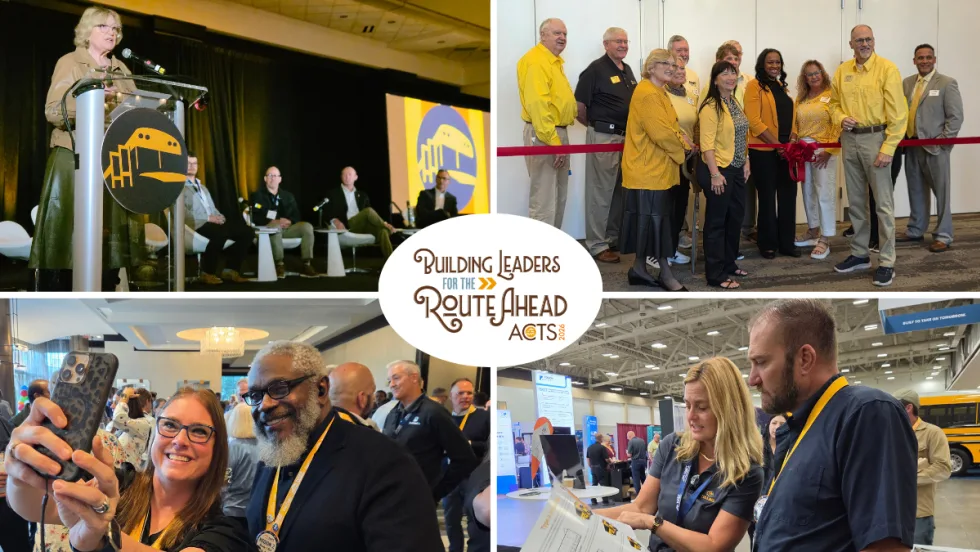
Inside NAPT ACTS 2026: Highlights from Louisville
From federal updates and student behavior strategies to new school bus technology and industry awards, see highlights from NAPT ACTS 2026 in Louisville.
Read More →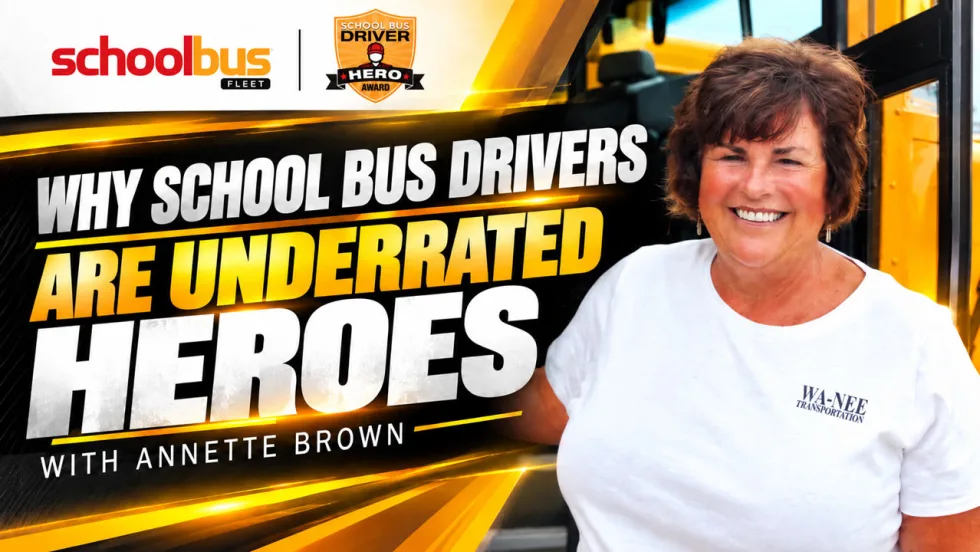
Meet the 2025 School Bus Driver Hero Winner: Annette Brown
We caught up with Wa-Nee Community Schools' Annette Brown on site at SBFX, where she was named the 2026 School Bus Driver Hero Award winner. Hear about her reaction, what she loves most about being a school bus driver, and more!
Read More →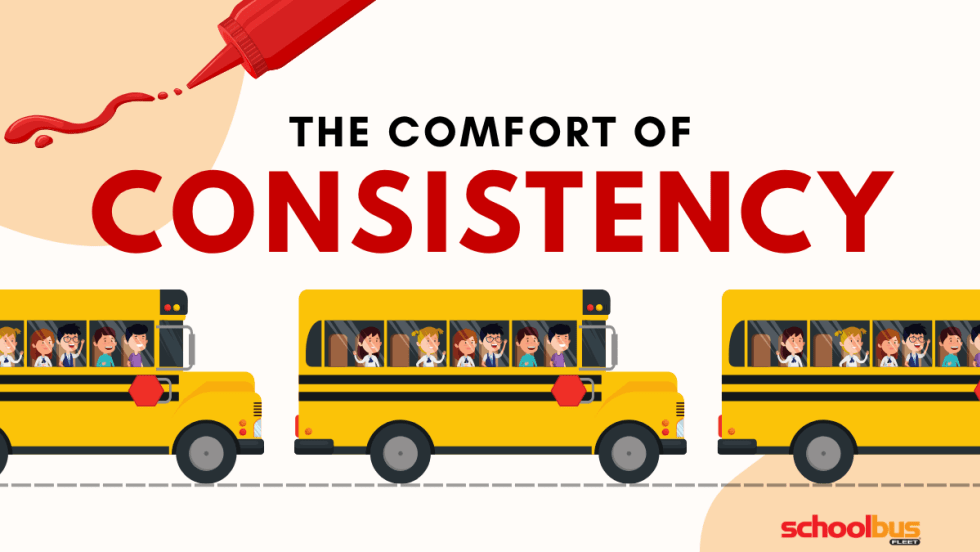
Predictability Is Like Ketchup (According to 6-Year-Olds)
To students, a different school bus can feel like a full-blown crisis. One driver reflects on why familiar routines, showing up on time, and being reliably boring matter more than we think.
Read More →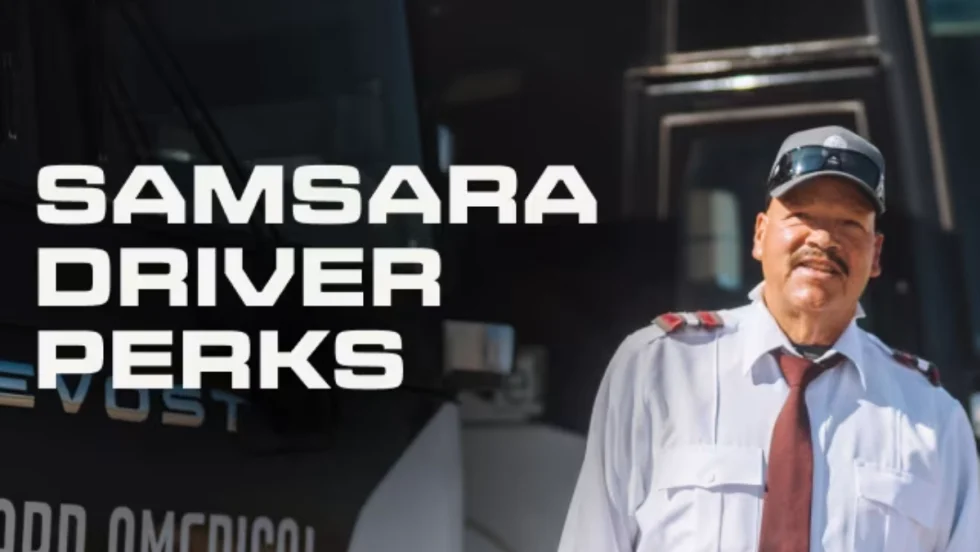
Samsara Launches Free Driver Rewards Program
The new Driver Perks program gives eligible professional drivers access to discounts and offers without adding a cost for participating fleets.
Read More →
How Tax-Exempt Municipal Leases Can Help Finance School Buses
Let’s explore school bus financing options, including municipal leases, vendor payable accounts, and balloon payments, and how they can help stretch fleet budgets.
Read More →
Nominate Rising School Transportation Pros Under 40!
We’re searching for the next generation of leaders making an impact across the K-12 student transportation industry to recognize as SBF’s 2027 Trailblazers. Nominations are open now!
Read More →