




Op-Ed: Electric School Buses and Protecting Our Childrens' Health
Report Details Ways to Expedite Transition to Electric School Buses
“Accelerating the Transition to Electric School Buses,” from the U.S. PIRG Education Fund and Environment America Research and Policy Center, recommends utility companies help school districts pay upfront costs for buses and implement vehicle-to grid technology.

Nicole Schlosser・Former Executive Editor
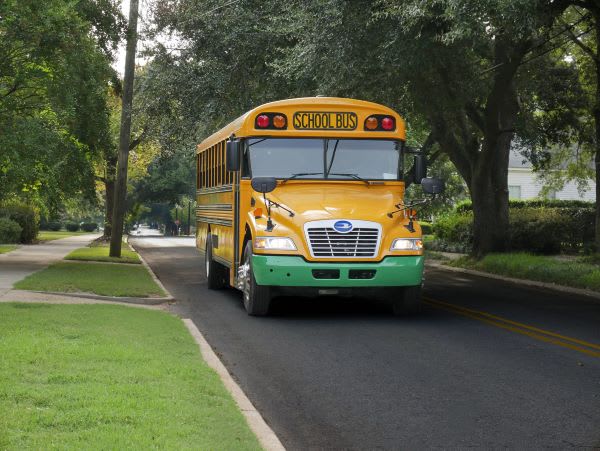
A report from the U.S. PIRG Education Fund and Environment America Research and Policy Center urges cities and school districts to commit to transitioning their school bus fleets to 100% electric by 2030. Shown here is a Blue Bird Vision Electric bus.
File photo courtesy Blue Bird
3 min to read
A new report from two environmental advocacy organizations discusses the urgency to electrify school bus fleets and provides steps for speeding up the process and making it more cost-effective.
The report, “Accelerating the Transition to Electric School Buses,” from the U.S. PIRG Education Fund and Environment America Research and Policy Center, urges cities and school districts to commit to transitioning their school bus fleets to 100% electric by 2030 for cleaner air and improved health, and recommends several steps to expedite the process.
The report points to the fact that “electric school buses are ready to roll,” but the challenge schools have in paying for them remains. It mentions a handful of federal programs designed to assist, including the Volkswagen (VW) environmental mitigation settlement funds and the Clean School Bus Act.
Although government funding programs have helped drive the electric bus movement in the U.S., the report states, "at the current pace, these programs have not, and will not, be enough to support large-scale adoption. That’s where utility companies could make a difference."
Electric utilities, the report adds, can significantly benefit from large-scale electric school bus adoption and “can play a major role in supporting the transition.” Utilities can support electric bus adoption by offering discounted rates on bus charging and building charging infrastructure, helping to finance upfront purchasing costs of the buses, and introducing smart charging systems to maximize renewable energy integration.
The report points out that several utility companies already have programs in place to help school districts add electric buses to their fleets, including Dominion Energy in Virginia and Portland General Electric in Oregon. (In recent related news, Charlotte, North Carolina-based Duke Energy has created a new subsidiary, eTransEnergy, to help large businesses and municipalities with planning, financing, acquisition, and deployment services electrify their fleets.)
In turn, electric buses can help utility companies by expanding and stabilizing the grid, providing surplus energy storage, and increasing energy demand, the report notes.
The report presents two options viewed as promising for helping to accelerate the transition to electric buses: vehicle-to-grid (V2G) technology, which enables use of electric bus batteries for energy storage and selling electricity back at peak demand times, and Pay-As-You-Save (PAYS) programs. PAYS is an agreement in which the customer chooses to install a more energy-efficient and cost-effective system, and the utility company covers the initial extra cost of the new technology. As the electric bus customer saves on energy costs, they repay the utility company over the lifespan of the bus.
Combining V2G technology and PAYS could save school districts up to $130,000 per electric bus, according to the report.
The report offers the following recommendations to help school districts, lawmakers, and utilities collaborate on faster electric school bus adoption:
School districts should commit to transitioning to all-electric bus fleets by 2030, and plan to phase out the purchase of new diesel buses immediately; take advantage of all available state and federal grant programs; and work with local utilities to help accelerate electric bus adoption.
Lawmakers should work with utilities and regulators to develop effective electric bus investment programs that protect ratepayers and consumers; develop grant programs to assist school districts with the upfront cost of electric bus procurement; tighten fuel efficiency and greenhouse gas emissions standards; and subsidize research and development in electric bus (including V2G) technology.
Utility companies should commit to renewable energy; assist school districts in financing electric school buses and investing in the charging infrastructure necessary for large-scale adoption; launch V2G and PAYS pilot programs and scale up as soon as practical; and establish bulk purchase savings programs to further lower the cost barrier to procurement for school districts.
More Alternative Fuels

Alt-Fuel Moves: New Buses, Charging Hubs & Real-World EV Testing
Propane and electric school bus deployments continue to grow as districts add new vehicles, expand charging infrastructure, and gather more real-world operating data.
Read More →
Fewer Electric School Bus Models Reshape the U.S. Market
WRI’s latest buyer’s guide points to a consolidating electric school bus market, but fewer options may reflect a maturing industry rather than fewer meaningful choices for school bus operators.
Read More →
The Fuel Budget You Can Actually Predict: How Propane Autogas Keeps Money in the Classroom
Learn how propane autogas helps school districts manage fuel costs with predictable pricing, lower maintenance, and reduced emissions from former transportation director Joel Stutheit.
Read More →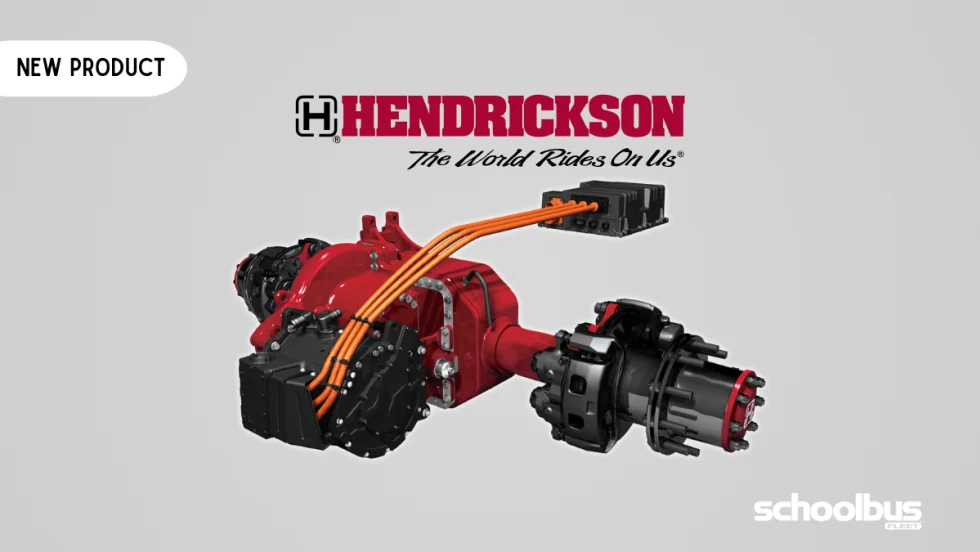
Hendrickson, Driventic Introduce New Electric Powertrain for School Buses
ELECTRAAX, the electrified, lightweight drive axle offers integrated ePowertrain efficiency and modular flexibility for Class 6–7 school bus use.
Read More →
The Mobility House Joins PowerFlex in Fleet Electrification Deal
The acquisition combines intelligent charging software, bidirectional charging expertise, and fleet electrification services to support the growing adoption of electric school buses across North America.
Read More →
Alt-Fuel Moves: Electric School Bus Investments Hit the Road
See which districts across the U.S. are putting electric school buses into service, expanding charging infrastructure, and planning the next phase of fleet electrification.
Read More →
With Fuel Volatility Ahead, School Districts Turn to Propane
While diesel prices peaked above $5 this spring, districts with propane autogas-powered fleets paid under $2 per gallon, according to PERC.
Read More →
EPA Unveils Proposed Changes to 2027 Heavy-Duty Engine Rules
The federal agency has proposed changes to next year’s targets that would eliminate DEF derates, ease warranty requirements, and retain current NOx emissions standards.
Read More →
Alt-Fuel Moves: EV Charging & Infrastructure Projects Gain Momentum
The latest developments include new funding, charging infrastructure, utility investments, and fleet technologies designed to support the transition to electric school buses nationwide.
Read More →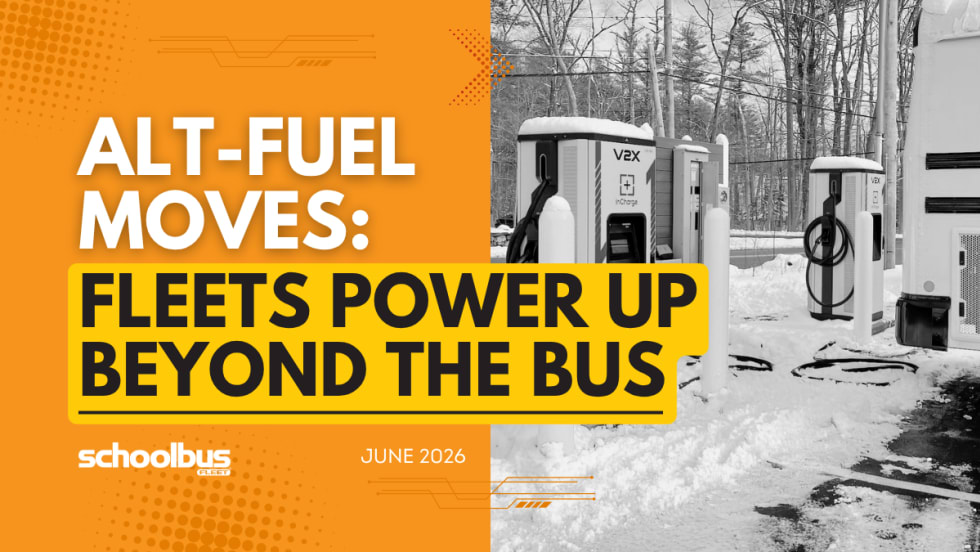
Alt-Fuel Moves: Fleets Power Up Beyond the Bus
See how districts are pairing electric buses with charging, solar, and V2G technology to cut costs, boost resilience, and unlock new fleet value.
Read More →