




N.Y. Gov. Cuomo Launches Electric Transit, School Bus Program
New Power Company Subsidiary to Help Fleets Go Electric
Duke Energy’s eTransEnergy will assist school districts, transit services, and companies across the U.S. with the process of transitioning their fleets to electric, from vehicle selection to maintaining charging infrastructure.
by SBF Staff
February 2, 2021
Duke Energy's new subsidiary, eTransEnergy, will help large businesses and municipalities electrify their fleets.
Photo courtesy Duke Energy
2 min to read
Charlotte, North Carolina-based Duke Energy has created a new subsidiary to help large businesses and municipalities with planning, financing, acquisition, and deployment services to electrify their fleets.
eTransEnergy will provide unregulated services to assist school districts, transit services, and companies across the U.S. achieve their economic and sustainability goals as they transition to clean energy transportation options, according to a news release from the power company.
In particular, the company aims to be a comprehensive source for transitioning commercial fleets to electric vehicles (EVs).
“Electrifying vehicles represents an incredible opportunity for our customers and communities to reduce carbon emissions,” said Doug Esamann, executive vice president of energy solutions for Duke Energy. “Through eTransEnergy, we’re offering a low-risk, realistic solution for customers to transform their fleets.”
eTransEnergy professionals offer many years of combined experience working with commercial electric fleets, managing total cost of ownership, and maintaining the supporting infrastructure, according to Duke Energy. Customers will benefit from this knowledge through infrastructure planning, smart charging technology, onsite solar energy generation, battery backup options, and other aspects of EV fleet management.
“We understand the unique needs of fleet operators and our goal is to simplify the complex process of scaled electric fleet adoption,” said Greg Fields, managing director for eTransEnergy.
eTransEnergy works with commercial electric original equipment manufacturers (OEMs) to provide customers with access to the vehicle that best meets their needs. In addition, and to support the sustainable growth of distributed technologies such as EVs, Duke Energy works in all its service areas to strengthen and improve the electric grid. And now, with eTransEnergy services available across North America, Duke Energy will work with local utilities to support updates to the energy grid and other infrastructure as needed.
Learn more about eTransEnergy.
Duke Energy has pledged to convert 100% of its nearly 4,000 light-duty vehicles to electric and 50% of its approximately 6,000 combined fleet of medium-duty, heavy-duty and off-road vehicles to EVs, plug-in hybrids, or other zero-carbon alternatives by 2030.
Get more information on Duke Energy’s climate strategy.
To help spur EV adoption, Duke Energy is launching several pilot programs that deliver a more expansive charging infrastructure throughout its service territories. In Florida, the company’s pilot is off the ground with over 570 charging stations nearing completion. The power company has reportedly also received approvals for pilots in North Carolina and South Carolina as well and has a proposal pending in Ohio.
More Alternative Fuels

Alt-Fuel Moves: New Buses, Charging Hubs & Real-World EV Testing
Propane and electric school bus deployments continue to grow as districts add new vehicles, expand charging infrastructure, and gather more real-world operating data.
Read More →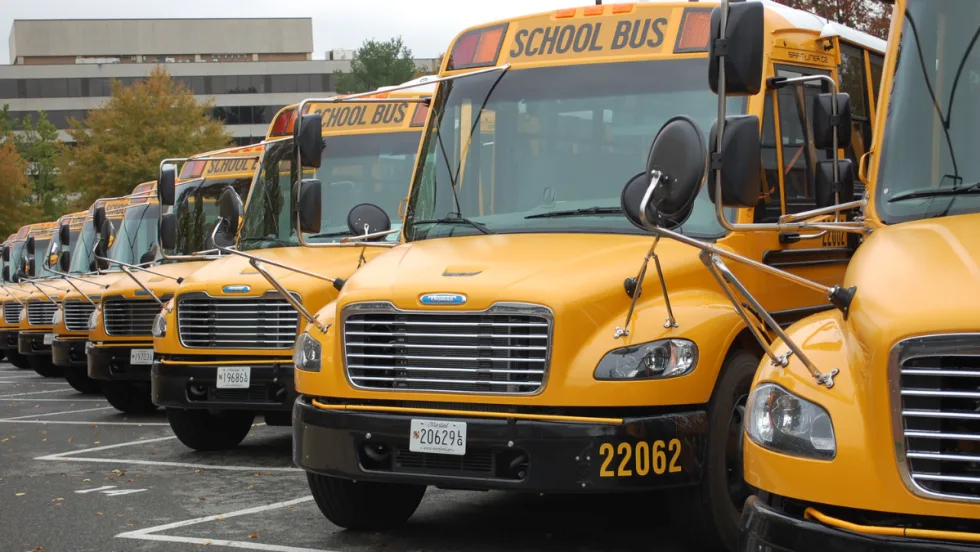
Fewer Electric School Bus Models Reshape the U.S. Market
WRI’s latest buyer’s guide points to a consolidating electric school bus market, but fewer options may reflect a maturing industry rather than fewer meaningful choices for school bus operators.
Read More →
The Fuel Budget You Can Actually Predict: How Propane Autogas Keeps Money in the Classroom
Learn how propane autogas helps school districts manage fuel costs with predictable pricing, lower maintenance, and reduced emissions from former transportation director Joel Stutheit.
Read More →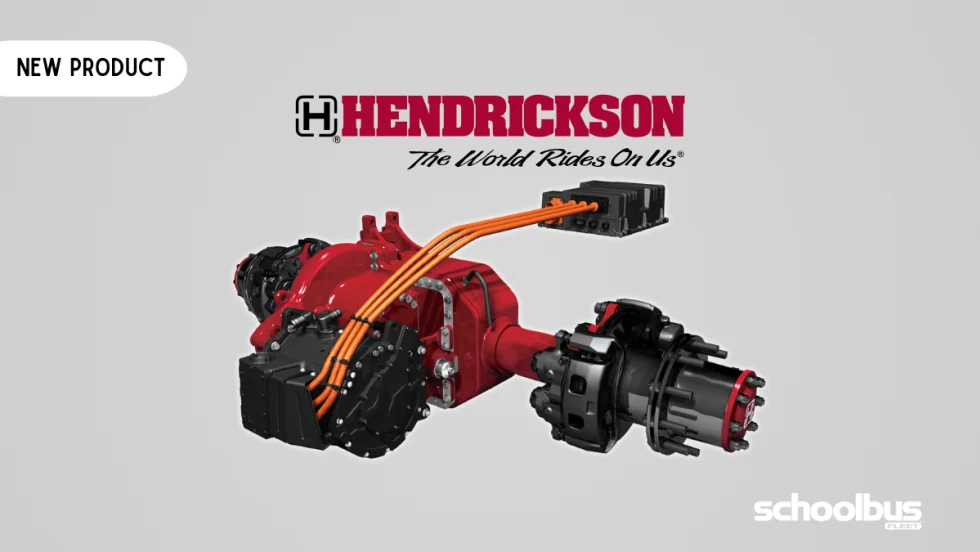
Hendrickson, Driventic Introduce New Electric Powertrain for School Buses
ELECTRAAX, the electrified, lightweight drive axle offers integrated ePowertrain efficiency and modular flexibility for Class 6–7 school bus use.
Read More →
The Mobility House Joins PowerFlex in Fleet Electrification Deal
The acquisition combines intelligent charging software, bidirectional charging expertise, and fleet electrification services to support the growing adoption of electric school buses across North America.
Read More →
Alt-Fuel Moves: Electric School Bus Investments Hit the Road
See which districts across the U.S. are putting electric school buses into service, expanding charging infrastructure, and planning the next phase of fleet electrification.
Read More →
With Fuel Volatility Ahead, School Districts Turn to Propane
While diesel prices peaked above $5 this spring, districts with propane autogas-powered fleets paid under $2 per gallon, according to PERC.
Read More →
EPA Unveils Proposed Changes to 2027 Heavy-Duty Engine Rules
The federal agency has proposed changes to next year’s targets that would eliminate DEF derates, ease warranty requirements, and retain current NOx emissions standards.
Read More →
Alt-Fuel Moves: EV Charging & Infrastructure Projects Gain Momentum
The latest developments include new funding, charging infrastructure, utility investments, and fleet technologies designed to support the transition to electric school buses nationwide.
Read More →
Alt-Fuel Moves: Fleets Power Up Beyond the Bus
See how districts are pairing electric buses with charging, solar, and V2G technology to cut costs, boost resilience, and unlock new fleet value.
Read More →